


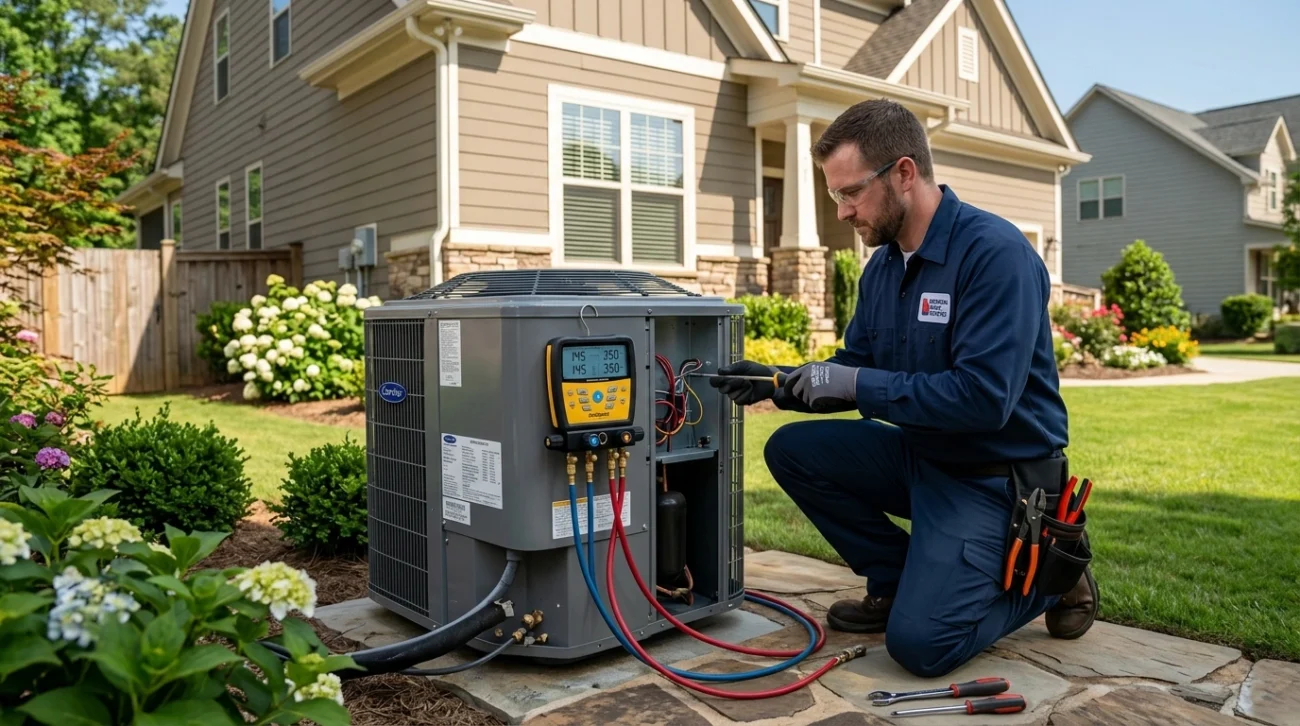
Comprehensive Checklist for Residential HVAC Maintenance and Repair
Maintaining your residential HVAC system is not a one-time task but an ongoing commitment that ensures its efficiency, reliability, and longevity. Routine servicing and seasonal tune-ups are paramount, especially given that most HVAC systems are designed to last between 10–15 years. Consistent care can extend this lifespan significantly, often to 15-20 years, while also upholding any manufacturer warranties.
Essential DIY Maintenance Tasks for Homeowners
While professional check-ups are vital, homeowners can perform several simple yet impactful tasks to keep their HVAC systems running smoothly. These DIY efforts not only save money but also contribute significantly to system health and energy efficiency.
One of the most critical and easiest tasks is regular air filter maintenance. Filters should be inspected monthly and replaced or cleaned as needed. For homes without pets, a 1-inch filter might last up to 90 days, but with pets or allergy sufferers, replacement every 30-60 days (or even 30 days for allergy sufferers) is often necessary. Thicker 4-inch filters can extend this interval to 60-90 days. A clogged filter restricts airflow, forcing your system to work harder and reducing its efficiency by up to 15 percent.
Vent cleaning and ensuring duct clearance are also important. Regularly vacuum or wipe down air vents and registers to prevent dust buildup. Ensure furniture, drapes, or rugs do not obstruct supply registers or return air vents, as this can impede proper airflow.
For outdoor units, maintaining clearance is key. Keep at least two feet of space around the condenser unit and clear away any leaves, dirt, grass clippings, or other debris. Gently hose rinsing the condenser coils from top to bottom with a garden hose (avoiding high-pressure washers) can remove accumulated grime, which can otherwise reduce heat transfer efficiency by 30% or more. Be mindful of pets; male dog urine, for example, is highly corrosive and can damage outdoor unit components.
Another crucial DIY task is checking and clearing the condensate drain. This line can become clogged with algae and debris, leading to water backups, leaks, and high indoor humidity. A wet/dry shop vacuum can often clear blockages effectively.
Finally, leveraging a smart thermostat or programmable thermostat can lead to significant energy savings, potentially saving $50-$100 annually. Setting appropriate temperatures when you’re away or asleep reduces unnecessary energy consumption without sacrificing comfort.
Professional Heating and Cooling Check-Ups
Beyond DIY efforts, annual or bi-annual professional maintenance by a certified technician is indispensable. These comprehensive check-ups delve deeper into your system’s mechanics, addressing issues that are beyond a homeowner’s scope.
A professional tune-up typically includes:
- Electrical connections: Technicians tighten all electrical connections and measure voltage and current on motors to ensure safe and efficient operation. Frayed wiring can be a significant fire hazard.
- Motor lubrication: All moving parts are lubricated to reduce friction, prevent premature wear, and lower electricity usage.
- Blower components: Cleaning and adjusting blower components maintain proper system airflow and efficiency.
- Coil cleaning: Evaporator and condenser coils are thoroughly cleaned. Dirty coils severely hamper heat transfer, making the system work harder.
- Refrigerant charge: Technicians check and adjust refrigerant levels. Too much or too little refrigerant reduces efficiency, raises energy costs, and shortens equipment lifespan.
- Gas connections and burner combustion: For heating systems, gas and oil connections are inspected, gas pressure is checked, and burner combustion is analyzed for safety and efficiency.
- Heat exchanger safety: A critical component, the heat exchanger, is inspected for cracks, which could lead to dangerous carbon monoxide leaks.
- Condensate drain inspection: Professionals ensure the condensate drain is clear and functioning correctly to prevent water damage and humidity issues.
These detailed inspections catch minor issues before they escalate into costly breakdowns. For comprehensive heating and cooling maintenance services, partnering with experienced professionals ensures your system receives the expert care it needs, extending its life and maintaining peak performance.
Signs Your System Needs Attention: Troubleshooting and Repairs
Even with diligent maintenance, HVAC systems can develop problems. Recognizing the early warning signs of a malfunctioning system is crucial for preventing minor issues from turning into major, expensive breakdowns. Prompt intervention can save you significant repair costs and maintain your home’s comfort.
Common Operational Signs of Residential HVAC Maintenance and Repair Needs
Your HVAC system often communicates its distress through various indicators. Paying attention to these can help you determine when it’s time to call a professional:
- Unusual noises: While some operational sounds are normal, rattling sounds, squealing, grinding, or banging can signal loose components, worn-out bearings, or other mechanical issues. A grinding fan motor, for instance, indicates a problem that needs immediate attention.
- Short-cycling: If your system turns on and off frequently without completing a full heating or cooling cycle, it’s called short-cycling. This can be caused by an oversized unit, thermostat issues, or low refrigerant, leading to increased wear and energy waste.
- Uneven temperatures: If some rooms are significantly hotter or colder than others, it suggests issues with ductwork, airflow, or system capacity.
- Weak airflow: Reduced air coming from vents can indicate clogged filters, duct leaks, or a failing blower motor.
- Sudden utility spikes: An unexplained increase in your energy bills, without a corresponding change in usage, often points to an inefficiently running HVAC system.
- Persistent odors: Musty smells can indicate mold growth in ductwork or the evaporator coil, while a burning smell could signal electrical issues.
- High humidity: If your home feels clammy even when the AC is running, it might indicate an oversized equipment that cools too quickly without effectively dehumidifying, or issues with the condensate drain.
Troubleshooting Common System Breakdown Issues
While some issues require professional expertise, homeowners can often troubleshoot basic problems before calling a technician:
- Thermostat calibration: Ensure your thermostat is set correctly and that its batteries aren’t dead. Sometimes, a simple reset or reprogramming can resolve temperature control issues.
- Blown capacitor: A common cause of an AC failing to start is a blown capacitor. While replacement requires a professional, recognizing this symptom can help with diagnostics.
- Refrigerant leaks: If your AC isn’t cooling effectively and you hear a hissing sound, you might have a refrigerant leak. This requires a certified technician for repair and recharge.
- Clogged condensate line: As mentioned in DIY tips, a clogged drain can cause water backup. Clearing it can resolve associated humidity and leak issues.
- Frozen evaporator coils: If your indoor coil is covered in ice, it’s usually due to restricted airflow (dirty filter, blocked return vent) or low refrigerant. Turn off the AC and let it thaw, then check your filter.
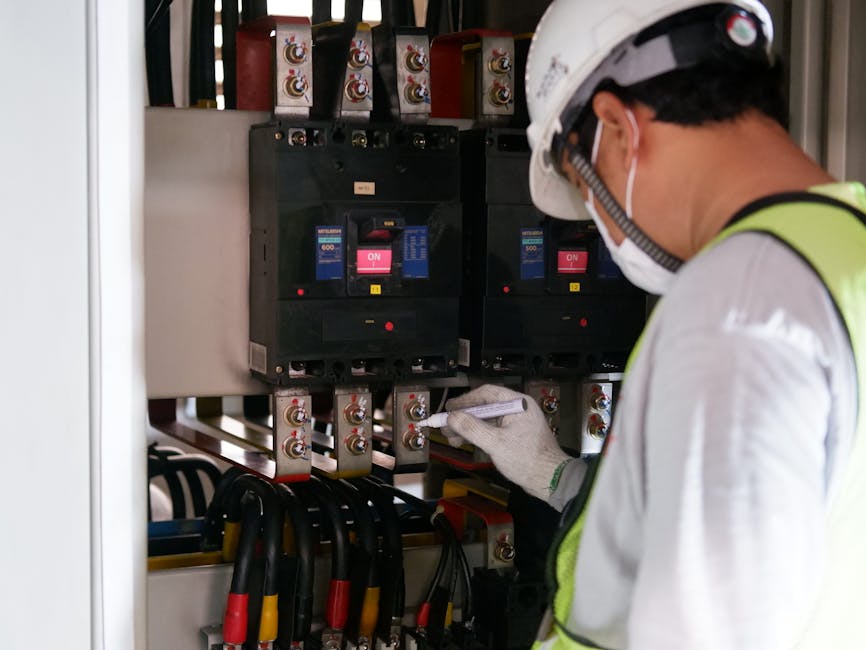
- Tripped breakers: If your system completely shuts down, check your electrical panel for a tripped circuit breaker. Resetting it might restore power.
- Pilot light failure/Ignition controls: For gas furnaces, a pilot light that won’t stay lit or malfunctioning ignition controls will prevent the furnace from heating. Consult your owner’s manual for safe relighting instructions or call a professional.
Evaluating System Longevity: Should You Repair or Replace?
Deciding whether to repair a failing HVAC system or invest in a new one is a common dilemma for homeowners. This decision often hinges on several factors, including the system’s age, the frequency and cost of past repairs, and the potential for energy efficiency gains with modern units. Most HVAC systems have a typical 10-15 year lifespan, but this can vary.
The 50 Percent Rule and System Age Thresholds
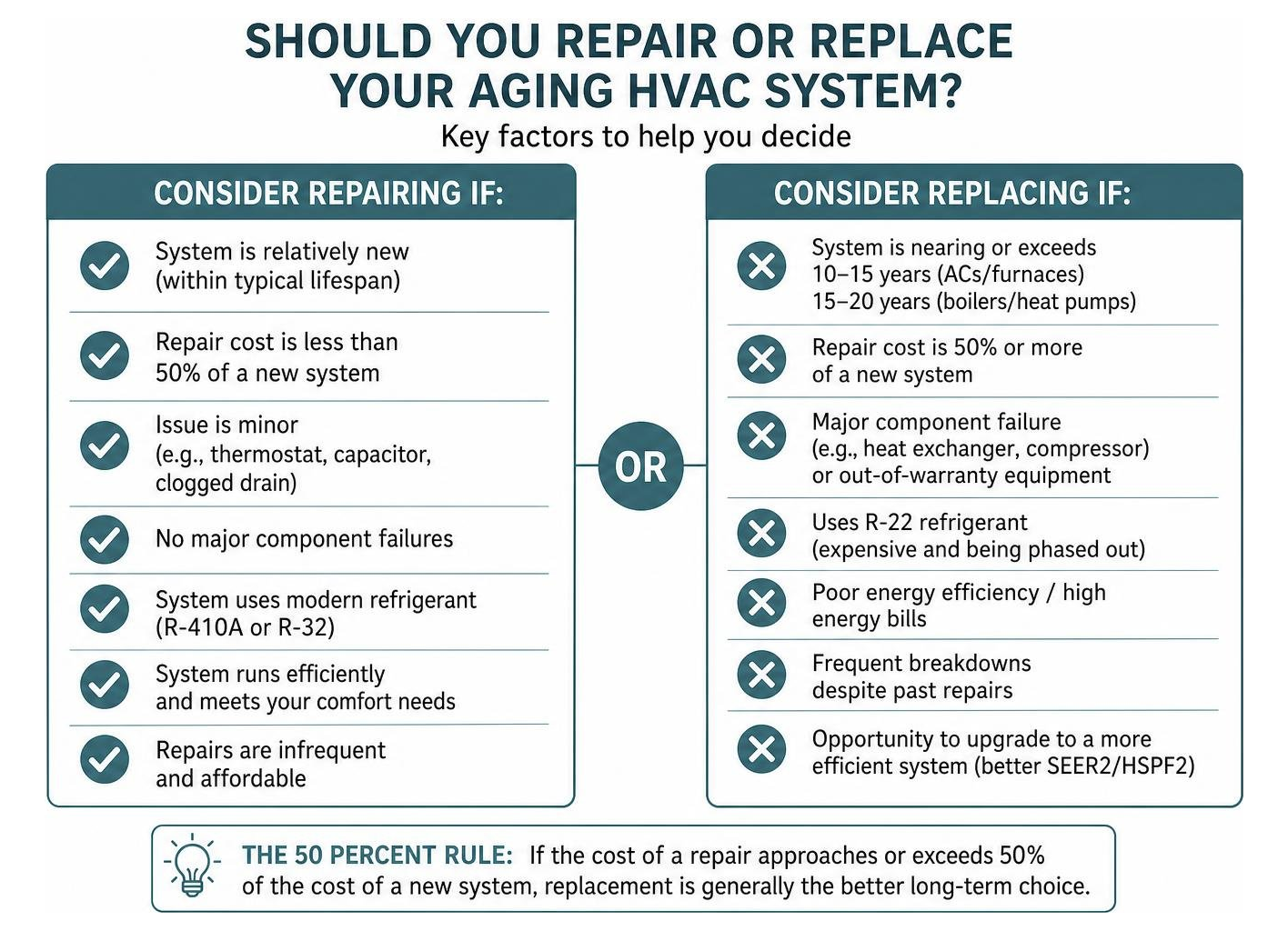
A useful guideline for this decision is the 50 percent repair rule: if the cost of a repair approaches or exceeds 50 percent of the cost of a new system, replacement is generally the more economical choice in the long run. This is especially true for older units.
Consider these factors when evaluating your options:
- System age: If your system is approaching or has exceeded its typical lifespan (10-15 years for ACs/furnaces, 15-20 years for boilers/heat pumps), even minor repairs might not be a wise investment. Older systems are more prone to breakdowns.
- Major component failures: Repairs involving significant components like a cracked heat exchanger (a serious safety concern for gas furnaces), a compressor breakdown in an AC unit, or a major issue with an out-of-warranty equipment can be prohibitively expensive. In such cases, the cost often justifies replacement.
- R-22 refrigerant phaseout: If your older AC unit uses R-22 refrigerant, repairs involving refrigerant leaks are becoming increasingly expensive due to the phaseout of this ozone-depleting substance. Replacing an R-22 unit with a newer, R-410A or R-32 system is often a better financial and environmental decision.
- Energy efficiency gains: Modern HVAC systems, particularly high-efficiency models and modern heat pump upgrades, offer significantly better SEER2 ratings (Seasonal Energy Efficiency Ratio 2) and HSPF2 ratings (Heating Seasonal Performance Factor 2). Replacing an old, inefficient unit can lead to substantial long-term savings on your energy bills, potentially offsetting the initial investment. A 15-year-old air conditioner, for example, can use roughly 40% more electricity than current models.
When facing complex repair-or-replace decisions or considering system upgrades, consulting with experts in air conditioning and heating solutions can provide invaluable guidance. They can assess your current system, explain the latest technologies, and help you make an informed choice that aligns with your budget and comfort needs.
Financial and Comfort Benefits of Regular System Servicing
Regular HVAC system servicing offers a multitude of benefits that extend far beyond simply avoiding breakdowns. It directly impacts your wallet, your comfort, and even the air you breathe. By ensuring your system operates at peak operating efficiency, you unlock significant savings and enhance your home environment.
Lower Energy Bills and Improved Air Quality
One of the most compelling reasons for consistent maintenance is the potential for lower energy bills. An efficiently running HVAC system consumes less energy to achieve the desired temperature. Studies show that regular maintenance can lead to 5 to 15 percent energy savings on monthly costs, and according to the U.S. Department of Energy, these savings can be as high as 30 percent. Factors like clogged filters, dirty coils, or low refrigerant levels force your system to work harder, leading to higher energy consumption. Addressing duct airflow loss by sealing leaks and balancing airflow can also prevent 20% to 30% of conditioned air from being wasted.
Beyond cost savings, regular maintenance significantly improves indoor air quality (IAQ). Your HVAC system plays a crucial role in circulating and filtering the air in your home.
- Airborne dust filtration: Clean filters effectively capture dust, pollen, pet dander, and other airborne particles, preventing them from recirculating throughout your home.
- Allergen reduction: For allergy sufferers, a well-maintained system with clean filters can dramatically reduce exposure to common allergens.
- Humidity control: Proper maintenance ensures your system effectively removes excess moisture from the air. Maintaining 30 to 50 percent humidity target is ideal for comfort, preventing mold growth, and protecting your home’s structure. High humidity can make your home feel warmer than it is and create an environment conducive to allergens.
Long-Term Value of Service Contracts for Residential HVAC Maintenance and Repair
For many homeowners, the thought of remembering to schedule seasonal tune-ups can be daunting. This is where maintenance agreements or service contracts prove their worth. These plans offer a structured approach to HVAC care, providing numerous long-term benefits:
- Priority service: Contract holders often receive priority scheduling, which is invaluable during peak seasons or emergency situations.
- Discounted labor and parts: Many plans include discounts on repairs, labor, and sometimes even new equipment, helping to reduce unexpected costs.
- Emergency coverage: Some contracts offer 24/7 emergency service, ensuring you’re never left without heating or cooling when you need it most.
- Regular check-ups: The plan ensures your system receives its necessary regular check-ups (typically bi-annual) without you having to remember to schedule them.
- Warranty compliance: Many HVAC manufacturer warranties require proof of annual professional maintenance. A service contract helps ensure warranty compliance, protecting your investment.
Investing in a service contract essentially provides peace of mind, knowing that your system is being regularly inspected and maintained by professionals, leading to fewer breakdowns, lower operating costs, and a longer system life.
Frequently Asked Questions About HVAC Care
Homeowners often have specific questions about maintaining their HVAC systems. Here, we address some of the most common inquiries to provide clarity and actionable advice.
How often should residential HVAC maintenance be scheduled?
For optimal performance and longevity, bi-annual frequency is recommended. This means scheduling one check-up in the spring (typically March-May) for your cooling system and another in the fall (September-November) for your heating system. This proactive approach ensures your system is prepared for the demands of extreme temperatures and allows technicians to catch minor issues before they become major problems. For systems like heat pumps that provide both heating and cooling, heat pump care also benefits from these bi-annual checks.
What is the typical cost of preventative maintenance and common repairs?
The seasonal maintenance cost for a professional tune-up can vary based on your location and the scope of services, but it generally falls within a $100 to $350 cost range. Beware of offers significantly below this, as they may only provide superficial inspections. For repairs, costs vary widely. Minor issues like replacing a minor capacitor repairs might be relatively inexpensive, while a major replacement expense for a compressor or heat exchanger can be substantial, often prompting a repair-versus-replace decision.
How does proper airflow affect overall system energy efficiency?
Proper airflow is absolutely critical to your HVAC system’s energy efficiency. Restricted airflow impact can reduce your system’s efficiency by up to 15 percent. When airflow is impeded, the system has to work harder and run longer to achieve the desired temperature, consuming more energy. The primary culprits for restricted airflow are dirty or clogged air filters and blocked return or supply vents. Ensuring clean air filters are in place and that the blower motor performance is optimal are key to maintaining efficient airflow and, consequently, lower energy bills.
Conclusion
As we’ve explored, understanding and actively participating in residential HVAC maintenance and repair is not merely a suggestion but a critical investment in your home’s comfort, efficiency, and overall value. From simple DIY tasks like regularly changing air filters and clearing outdoor units, to essential professional annual servicing benefits that delve into the intricate mechanics of your system, every step contributes to a healthier HVAC system.
Proactive maintenance translates directly into improved system performance, fewer unexpected breakdowns, and significantly lower operational costs due to enhanced energy efficiency. It also plays a vital role in maintaining superior indoor air quality, protecting your family’s health and comfort. By embracing these essential tips, you can ensure your home remains a haven of comfort, regardless of the weather outside, enjoying reliable year-round comfort and peace of mind for years to come.
