


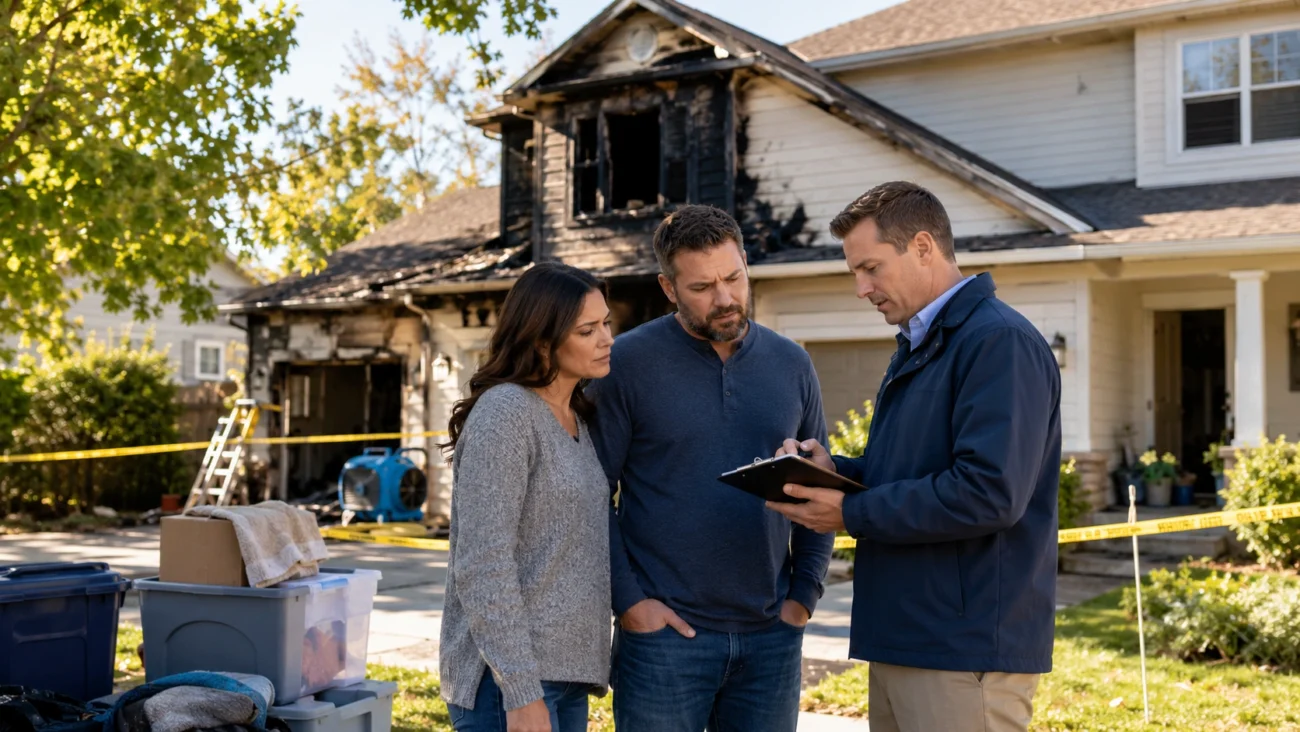
Key Takeaways
- Put safety first. Cleanup and repairs can wait.
- Stay out of the home until fire officials say it is safe to go back in.
- Take photos and notes before you start any major cleanup.
- Call your insurance company right away, and write down every conversation you have with them.
- Smoke, soot, heat, and water from firefighting can damage rooms far from the actual fire.
- Bring in a professional if you see signs of structural, electrical, water, or air quality problems.
A house fire can leave a family shaken, displaced, and unsure what to do next. Your first job is not to save belongings. It is to keep everyone safe while professionals check the property. If a fire has damaged your home, a trained fire damage restoration in Southwest Florida can help you deal with smoke, soot, water, and structural issues once officials clear the property for work.
Why the Work Continues After the Fire Is Out
Putting out the fire is just the first step. Smoke can spread through hallways, closets, and air vents. Soot can settle on walls, furniture, electronics, and clothing. Water used to fight the fire can soak into floors, insulation, drywall, and cabinets.
Heat can also weaken parts of the house that look fine on the outside. A ceiling might look normal but hide moisture or damage behind it. That is why a quick look around the house is never a safe substitute for an official inspection.
On day one, focus on where your family will stay, what medical needs come first, and which calls you need to make. The U.S. Fire Administration has helpful guidance for the hours right after a fire, including tips on property, insurance, and personal records.
If you live in Lee County, hiring a fire damage restoration in Estero may be a key step toward making your home clean, stable, and livable again. Emergency stabilization work and long-term rebuilding are usually two separate stages.
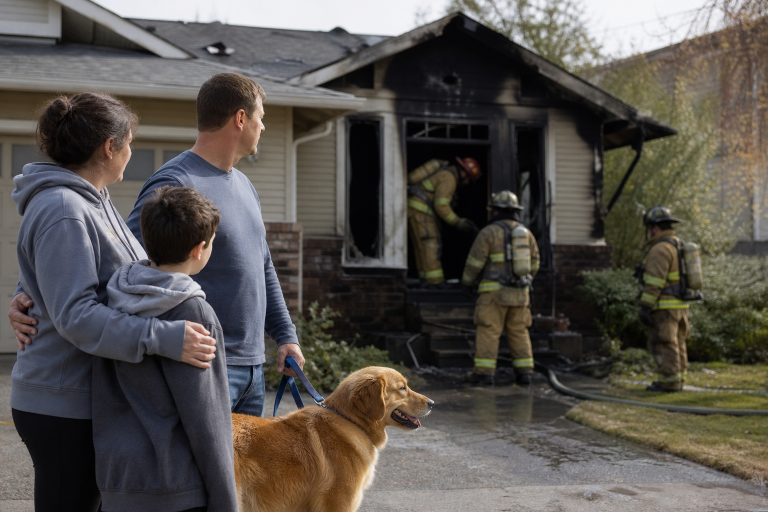
Step One: Make Sure Everyone Is Safe
Count every family member, guest, and pet. Call 911 if anyone has burns, trouble breathing, dizziness, confusion, or any other urgent symptom. Smoke can affect people in different ways, so do not brush off symptoms that show up later.
Keep kids and pets away from the damaged building, debris, standing water, broken glass, and exposed wires. Move to a safe spot while first responders and inspectors look over the scene.
Step Two: Stay Out Until Officials Say It Is Safe
A home damaged by fire can hide risks you cannot see. Floors may be weak, ceilings may sag, and wiring or gas lines may be damaged. Hot spots can still linger inside walls or ceilings even after the visible flames are gone.
Do not go inside to grab clothes, papers, electronics, or anything else until officials confirm it is safe. The American Red Cross also offers guidance on safety, health, and support for families recovering from a home fire.
Step Three: Make the Right Calls in the First 24 Hours
- Call your insurance company. Open a claim, get a claim number, and ask what you should document before cleanup starts.
- Contact your landlord or property manager. If you rent, report the fire right away and ask about building access and next steps.
- Check on your utilities. Find out whether the gas, electricity, and water have been shut off safely.
- Tell the people who need to know. Let family, your employer, your kids’ school, and close friends know where you are staying and what kind of help you need.
- Look into local help. Community groups may offer shelter, food, clothing, transportation, or help caring for pets.
Step Four: Find a Safe Place to Stay
You may need somewhere to stay for a few days, a few weeks, or longer. Options include staying with relatives, a hotel, a short-term rental, a shelter, or a local aid program. Ask your insurance company whether your policy covers extra living costs like lodging, meals, and transportation.
Hold on to every receipt. Plan ahead for medication, work supplies, school items, mobility equipment, and pet care too. Keep a folder, on paper or on your phone, for receipts, photos, estimates, and notes about your claim. It will save you headaches later.
Document the Damage the Right Way
Only take photos once it is safe to enter, or from outside if you cannot go in yet. Start with wide shots of each room, then move in close on soot, water damage, broken windows, flooring, cabinets, and personal items. Write down any smoke smell, visible stains, or signs of structural damage.
Build a room-by-room list of what was damaged. Note the brand, model number, rough purchase date, and estimated cost to replace each item when you can. Save fire reports, inspection records, repair estimates, receipts, and any emails from your insurance company. Do not throw out damaged items unless they pose an immediate safety risk or your insurer tells you it is fine to toss them.
Cleanup Mistakes to Avoid
- Do not scrub soot-covered walls with regular household cleaners unless a professional tells you it is safe.
- Do not turn on damaged appliances, outlets, gas lines, or your heating and cooling system.
- Do not start permanent repairs before you document everything and talk to your insurer.
- Do not let kids or pets into areas with soot, wet materials, or contaminated water.
- Do not assume a room is safe just because it looks clean or shows no burn marks.
How Smoke, Soot, Water, and Heat Affect a Home
Smoke often travels well beyond the room where the fire started, leaving odor behind in fabric, vents, and other hidden spots. Soot is a black residue that stains surfaces and can ruin delicate materials. Water left standing too long can cause swelling, warping, and mold. Heat can weaken wood, metal, and wiring without any obvious visual warning sign.
When to Call in a Professional
Ask for professional help if you notice sagging ceilings, wet drywall, strong odors, visible soot, signs of mold, damaged wiring, or floors that feel unstable. A full recovery often takes several specialists, including structural inspectors, electricians, cleaning crews, drying experts, and rebuilding contractors.
Before you sign anything, ask for a written estimate, a clear list of the work involved, and a timeline. Confirm the company’s license, insurance coverage, and references, and ask how they plan to keep you updated. Keep a copy of every agreement and any change made to the plan.
Sorting Your Belongings and Supporting Your Family
Once you get the all-clear, sort your belongings into three groups: items you can likely restore, items that need a professional to check, and items that are a total loss. Take photos of each group before you move anything. Ask a professional for guidance on important documents, photos, electronics, artwork, medication, food, cosmetics, and pet supplies exposed to heat or smoke.
Kids, older adults, and pets often need extra support after a fire. Keep routines as steady as you can, explain what is happening in simple terms, and watch for signs of trouble sleeping, fear, withdrawal, or stress. Help older family members keep up with medication and transportation. Pets exposed to smoke or heat may need a vet visit.
A Simple 30-Day Recovery Plan
- Days 1 to 3: Focus on safety, medical care, shelter, insurance notification, and documenting the damage.
- Days 4 to 7: Organize your receipts, review estimates, set up inspections, and secure anything worth saving.
- Week 2: Lock in your cleanup plan, start replacing important documents, and flag the most urgent repairs.
- Weeks 3 and 4: Review your rebuilding plans, manage your household budget, and get ready for a safe return once it is approved.
Final Thoughts
Recovering from a home fire can feel like too much at once, because so many problems show up at the same time. A calm, written plan can bring order to the chaos. Put safety first, document everything carefully, stay in touch with your insurer, cover your temporary living needs, and lean on qualified professionals for the damage you cannot see on your own. Every steady step brings your family closer to a safe return home.

One thought on “After the Flames: A 2026 Home Fire Recovery Checklist That Protects People, Property, and Peace of Mind”