


Key Takeaways
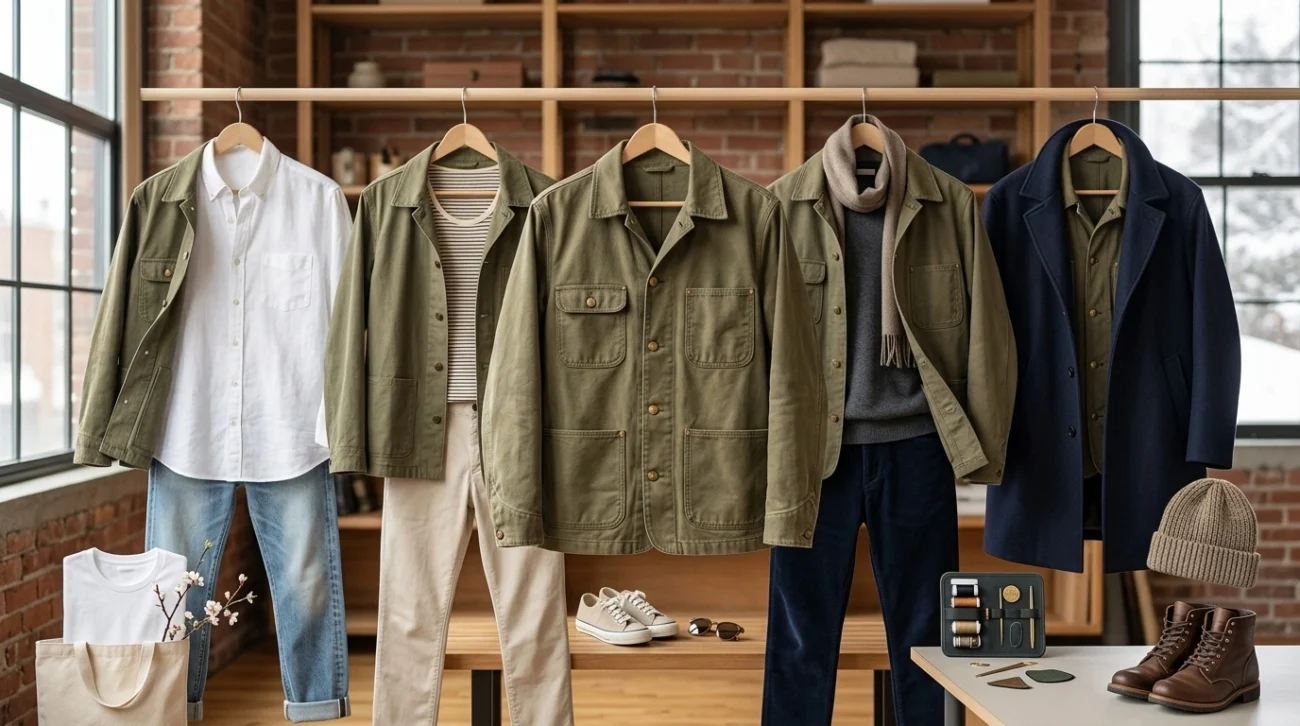
- A workwear jacket can function as a light outer layer, a mid-layer, or a casual alternative to a blazer.
- Fit and fabric weight matter more than trend-driven details.
- Neutral colors and simple outfit formulas make one jacket easier to wear year-round.
- Good care and early repairs help a dependable jacket remain useful for years.
A dependable workwear jacket is one of the most useful pieces in a practical wardrobe. It adds structure to a T-shirt, makes casual trousers feel more intentional, and offers just enough coverage for commutes, errands, travel days, and relaxed offices without the stiffness of a traditional blazer. For a neutral option with broad styling potential, Bills Khakis offers a collection of khaki chore jacket inspired by classic American workwear, featuring cotton-linen, twill, moleskin, corduroy, denim, and wool. The brand focuses on durable fabrics, functional pockets, sturdy construction, and classic fits, making its assortment a useful reference for shoppers across the continental United States who want a layer that can work with jeans, cords, or khakis over multiple seasons.
Why a Workwear Jacket Earns Its Place
Unlike a highly seasonal statement jacket, a chore coat or workwear jacket solves several everyday dressing problems at once. It is functional enough for unpredictable weather, relaxed enough for weekends, and neat enough for smart-casual settings. Its straightforward shape also pairs easily with staples most people already own, including denim, chinos, Oxford shirts, knitwear, and plain sneakers. The appeal is largely its flexibility. A well-chosen jacket does not need to dominate an outfit. It simply creates a clean top layer, adds a little shape to the body, and provides practical storage. This makes it especially useful for people who prefer fewer clothes that can do more.
Start With the Right Fit
Fit determines whether a workwear jacket looks intentional or merely oversized. Check the shoulders first: the seam should sit close to the natural shoulder edge without pulling. The body should have enough room for a shirt or thin sweater, while the sleeves should end near the wrist rather than covering the hands. A hip-length cut is usually the most versatile because it works with jeans, chinos, cords, and work trousers. Movement is equally important. Raise your arms, sit down, and reach forward before committing to a size. A jacket can have a relaxed silhouette, but it should not produce excess fabric at the shoulders or make the wearer feel restricted through the upper back.
Choose a Color That Works Hard
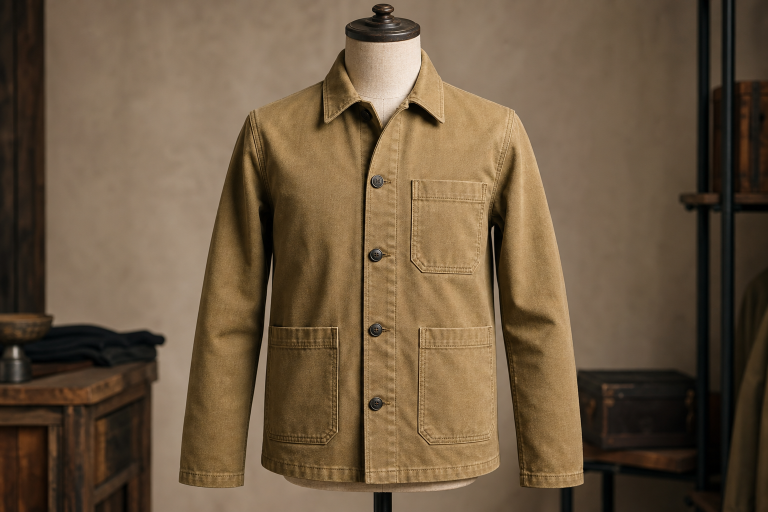
- Navy feels clean and works especially well with denim, gray trousers, and white shirts.
- Olive brings a rugged note while remaining easy to pair with cream, blue, brown, and black.
- Tan or khaki lightens spring and summer outfits and complements darker denim.
- Brown adds warmth and pairs naturally with cream knitwear, chambray, and earth tones.
- Black offers a sharper urban look, though it can read slightly more formal.
Build a Simple Layering System
Think in layers rather than isolated outfits. Start with a T-shirt, henley, polo, or lightweight button-down. Add the jacket for structure and light protection. When temperatures fall, wear a fine-gauge sweater, cardigan, vest, or overshirt beneath it. In the real cold, place the jacket under a roomy coat or parka rather than expecting it to replace insulated outerwear. Fabric choice should follow the weather. Unlined or lightly lined versions in breathable cotton are easier to manage during changing temperatures than heavy, insulated layers.
Four Seasonal Outfit Formulas
Spring: Light Layers and Clean Contrast
Wear the jacket with an Oxford shirt, straight-leg jeans, and loafers, or try a knit polo, relaxed chinos, and simple sneakers. Lighter colors, open fronts, and casually rolled sleeves keep the look from feeling too heavy.
Summer: Keep the Base Simple
Choose lightweight cotton or linen blends over a plain T-shirt and breathable trousers. Canvas shoes work well, and wearing the jacket open makes it more comfortable on cooler evenings. Avoid stacking thick shirts, sweaters, and heavy denim.
Fall: Use Texture for Depth
Pair the jacket with a flannel or chambray shirt, dark denim, and leather shoes. For a softer approach, use a fine sweater with corduroy trousers and boots. Texture makes neutral outfits feel considered without relying on loud color.
Winter: Treat It as a Middle Layer
Layer a thin wool sweater beneath the jacket, then add a roomier topcoat or parka. Dark trousers and boots complete the outfit. This approach works for mild winter days, but a workwear jacket alone is not sufficient protection in severe cold.
Balance Workwear Details With Modern Pieces
A workwear jacket looks most current when it is balanced with cleaner items. Pair a roomier coat with straight or tapered trousers, then choose minimal sneakers, loafers, or uncomplicated boots. Keep accessories restrained: a plain belt, watch, or canvas bag is usually enough. The most reliable formula is one workwear piece combined with two or three simple wardrobe staples.
Common Mistakes to Avoid
- Combining too many rugged pieces, such as cargo pants, heavy boots, flannel, and graphic tees, all at once.
- Ignoring proportions by placing a short jacket over a long, bulky top without a deliberate shape in mind.
- Overmatching tan, brown, or olive tones until the outfit loses contrast.
- Buying a jacket for only one outfit instead of checking it against several shirts, trousers, and shoes.
Fabric, Care, and Long-Term Wearability
Lightweight cotton-and-linen blends suit warm climates and summer evenings. Midweight twill is a strong everyday option for shifting temperatures. Moleskin and heavier cotton work well in the fall, while wool blends add warmth and a more refined texture. For a broader view of how a chore coat fits alongside other outerwear, consider building a small rotation of casual jackets based on season and purpose. Read the care label, brush off dust, and spot-clean small marks before washing. Hang the jacket on a broad hanger, let it dry fully before storage, and repair loose buttons or seams early. These small habits preserve the shoulders, pockets, and fabric finish.
Questions Readers Often Ask
Can a Workwear Jacket Be Worn to the Office?
Yes, in casual or smart-casual workplaces. Wear it with an Oxford shirt or knit polo, chinos, and loafers.
Should a Chore Jacket Fit Loose?
A relaxed fit is normal, but it should not overwhelm the frame or sag at the shoulders.
What Should Be Worn Under a Workwear Jacket?
T-shirts, polos, button-downs, henleys, and thin sweaters are all reliable choices.
Can a Workwear Jacket Be Worn in Summer?
Yes, if it is lightweight, breathable, worn open, and paired with simple layers.
Is a Chore Coat the Same as a Field Jacket?
Not exactly. A chore coat usually has a simpler cut and work-focused pockets, while a field jacket often has more weather protection and military-inspired details.
How Many Outfits Should One Jacket Make?
Aim for at least six dependable combinations before buying. The right jacket should work with three seasons, several pairs of trousers, and more than one shoe style.
Conclusion
A dependable workwear jacket can become a year-round wardrobe staple when fit, fabric, color, and layering are chosen carefully. Rather than following trends, select a versatile style that works with the clothes you already own and can transition between work, errands, travel, and weekends. Neutral shades such as navy, olive, khaki, and brown make styling easier, while breathable or midweight fabrics can adapt to changing temperatures. With simple outfit combinations, proper seasonal layering, and regular care, one quality jacket can provide plenty of styling options without making your wardrobe feel crowded. Pay attention to proportions and pair relaxed jackets with clean trousers or simple footwear for a balanced look. Small details, such as keeping pockets uncluttered and repairing loose buttons or seams early, can also extend the jacket’s usefulness. The result is a practical layer that remains comfortable, adaptable, and stylish for years.
