


Introduction
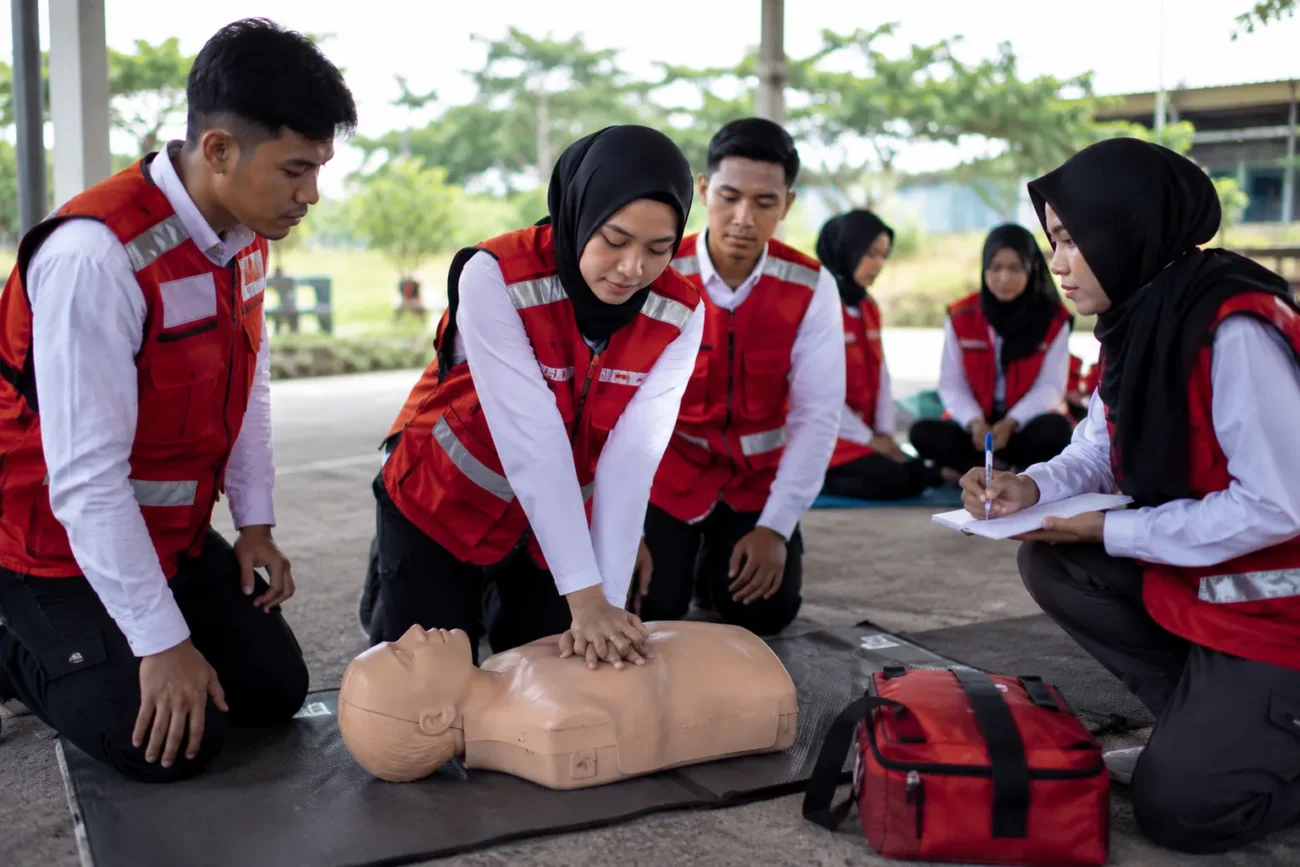
Korps sukarela is one of the most important volunteer paths for people who want to serve the community through organized humanitarian work. In Indonesia, the term is closely linked with KSR PMI, or Korps Sukarela Palang Merah Indonesia, a volunteer unit that supports health, disaster response, first aid, and social service activities.
If you are searching for korps sukarela, you may want to know what it does, who can join, and whether it is right for you. This guide explains the role, requirements, training process, and real expectations behind becoming a humanitarian volunteer.
A good KSR member is not only someone who wants to help. You also need discipline, basic emergency knowledge, teamwork, and the willingness to follow procedures. That is what makes this organization different from casual volunteering.
Apa Itu Korps Sukarela?
Korps sukarela is a volunteer corps that gives individuals a formal place to serve in humanitarian activities. In the PMI context, KSR becomes a structured unit for people who voluntarily choose to become trained members and support Red Cross activities.
The word “sukarela” matters because it shows that members join by personal awareness, not pressure. You choose to serve because you care about others and want to be useful during emergencies, public health programs, or community events.
KSR is different from general community volunteering because it usually includes basic training, organizational rules, and field responsibilities. Members may be involved in first aid, blood donor campaigns, disaster preparedness, health education, and community assistance.
You may also hear about PMR and TSR. PMR is usually for school-level youth members, while TSR often refers to specialist volunteers with certain professional skills. KSR sits in the middle as a practical volunteer unit for trained individuals, including students and community members.
Tugas dan Peran Korps Sukarela
The main role of korps sukarela is to support humanitarian services in a safe and organized way. This can include helping during disasters, assisting at public events, supporting first aid posts, and joining community health campaigns.
In disaster situations, KSR members may help with evacuation support, logistics, basic first aid, and public information. They do not work randomly. They follow coordination from PMI officers or local emergency teams, which helps reduce confusion in the field.
KSR members also support non-disaster activities. These may include blood donation drives, health education, hygiene campaigns, and preparedness training. These routine activities are important because they build public awareness before emergencies happen.
From a practical view, the best KSR members understand their limits. They know when to act, when to report, and when to wait for medical professionals. This discipline protects victims, volunteers, and the wider response team.
Syarat Menjadi Anggota Korps Sukarela
The requirements for joining korps sukarela may differ between regions, campuses, and PMI branches. In many places, applicants are expected to be physically and mentally ready, willing to attend training, and able to follow organizational rules.
Age requirements can also vary. Some local PMI branches mention adult membership ranges, while campus KSR units usually accept university students through student activity organizations. Because of this, you should always check the official PMI office or KSR unit near you.
Beyond documents, attitude is one of the biggest requirements. You need patience, empathy, discipline, and the ability to work with people from different backgrounds. Humanitarian service is not only about courage. It is also about calm judgment.
You should also prepare your time. KSR activities may include meetings, training sessions, simulations, public service duties, and emergency calls. If your schedule is very limited, be honest before joining so you can avoid disappointing your team later.
Cara Bergabung dengan Korps Sukarela
The simplest way to join korps sukarela is to contact your local PMI office. Ask whether they are opening registration for KSR members and what documents or training steps are required. If you are a university student, look for a campus KSR PMI unit or a student organization that handles Red Cross activities.
After registration, you may need to attend orientation, interviews, or basic education and training. This process helps the organization understand your motivation and helps you understand what KSR work really involves.
Basic training often covers first aid, disaster response, Red Cross principles, teamwork, communication, and field safety. Take this stage seriously. The knowledge you learn may be used in real situations where panic, pain, and pressure are present.
Before applying, build simple habits that support volunteer work. Sleep properly before training, improve your stamina, learn basic first aid terms, and practice listening carefully to instructions. These small habits make you more reliable when the team needs you.
Personal Experience Style: Metode “3S Relawan Siap”
A practical way to prepare for korps sukarela is what I call the “3S Relawan Siap” method. The three parts are Siap Fisik, Siap Ilmu, and Siap Mental. This method works because many new volunteers focus only on enthusiasm, while real service needs preparation.
Siap Fisik means your body should be ready for movement, heat, long standing hours, and field activity. You do not need to be an athlete, but you should build basic stamina through walking, stretching, and regular sleep.
Siap Ilmu means you should keep learning. Start with basic first aid, emergency numbers, safe lifting principles, and how to communicate during urgent situations. A volunteer who knows basic procedures is more useful than one who only acts fast.
Siap Mental means you understand that humanitarian work can be tiring and emotional. You may see injury, panic, grief, or conflict. A strong volunteer is not someone who never feels pressure, but someone who stays calm enough to help safely.
Common Mistakes Saat Ingin Bergabung KSR
One common mistake is joining KSR only for certificates, uniforms, or social status. Those things may exist, but they are not the purpose. Korps sukarela is about service, discipline, and responsibility toward people who may be in difficult situations.
Another mistake is underestimating training. Some new members think basic training is just a formality. In reality, training teaches safety, coordination, and response habits that can prevent serious errors in the field.
Many beginners also fail to ask about time commitment. They register with excitement, then disappear when meetings, duties, or exercises begin. This creates problems because volunteer teams depend on trust and availability.
A more serious mistake is acting outside your capacity. KSR members should not pretend to be doctors, paramedics, or rescue specialists unless they are trained and authorized. Knowing your boundary is part of being professional.
Conclusion
Korps sukarela is a meaningful path for anyone who wants to serve others through structured humanitarian work. It gives you the chance to learn first aid, disaster preparedness, teamwork, and community service while contributing to real public needs.
If you want to join korps sukarela, start by contacting your local PMI office or campus KSR unit. Ask about registration, training, requirements, and the expected commitment before making your decision.
The best volunteers are not always the loudest or the strongest. They are the ones who are prepared, humble, disciplined, and ready to keep learning while serving others safely.
FAQ dan Disclaimer
What is korps sukarela?
Korps sukarela is a volunteer corps for people who want to serve in organized humanitarian activities. In Indonesia, it is commonly connected with KSR PMI, the volunteer unit of Palang Merah Indonesia.
Is korps sukarela the same as PMI?
No, korps sukarela is not the same as PMI. KSR is a volunteer unit within the broader PMI structure, while PMI is the national humanitarian organization.
Can students join KSR?
Yes, many students join KSR through campus-based KSR PMI units. Requirements may vary by university and local PMI branch, so you should check the official unit near you.
Do KSR members get paid?
KSR is generally based on voluntary service. Members usually join because they want to serve the community, not because they expect regular payment.
What skills are learned in KSR?
KSR members may learn first aid, disaster response, public health education, teamwork, leadership, and field communication. These skills can be useful in daily life and emergency situations.
Disclaimer: Requirements, registration steps, training schedules, and membership rules may differ by PMI region, campus unit, or local policy. Always confirm details with your nearest official PMI office or authorized KSR unit before registering.
Loved Reading This? Discover More Exclusive Stories And Updates At [twilightmag.com]!
