

Introduction
The search term anticimex 3d sanidad ambiental / wisecon estrategia de plataforma points to a bigger shift in pest control and environmental health. It is not only about removing pests after a problem appears. It is about using digital monitoring, expert inspection, connected devices, and better data to prevent infestations before they damage a facility, disrupt operations, or create compliance risk.
If you manage a food plant, hotel, warehouse, hospital, restaurant, school, retail chain, or public building, this topic matters because pest control is no longer just a scheduled visit and a paper report. A modern sanidad ambiental program must show prevention, traceability, risk reduction, and responsible use of biocides. That is where Anticimex SMART, WiseCon technology, digital pest control, IoT sensors, and platform-based environmental health management become relevant.
The phrase anticimex 3d sanidad ambiental / wisecon estrategia de plataforma also reflects two connected ideas. One is the service side: hygiene, pest prevention, disinfection, inspections, and environmental health practices. The other is the technology side: a platform strategy where traps, sensors, technicians, data dashboards, alerts, and reports work together as one operating system.
This article explains what those ideas mean in practical terms. You will see how Anticimex 3D Sanidad Ambiental fits into the environmental health context, how WiseCon influenced the platform model, where digital pest control creates real value, and what questions you should ask before choosing any smart pest-control solution.
Anticimex 3D Sanidad Ambiental: What It Means in the Environmental Health Context
To understand anticimex 3d sanidad ambiental / wisecon estrategia de plataforma, start with the phrase “sanidad ambiental.” In Spanish-speaking markets, sanidad ambiental usually refers to the professional control of environmental health risks. That can include pest control, hygiene services, disinfection, prevention of infestations, monitoring of risk areas, and documentation for audits or regulatory inspections.
Anticimex is widely associated with modern pest control, prevention, and digital systems. When people search for Anticimex 3D Sanidad Ambiental, they may be looking for a specific local service, a company relationship, or a broader explanation of how Anticimex handles environmental health. The safe way to approach the topic is to focus on verified service concepts: control integrado de plagas, higiene ambiental, preventive monitoring, site inspections, corrective actions, and sustainable pest-management methods.
In real facilities, sanidad ambiental is not limited to killing insects or rodents. It includes understanding why pests are entering, where they move, what conditions support them, and how those conditions can be corrected. A food warehouse with poor door seals has a different risk profile from a hotel kitchen, a hospital basement, or a municipal sewer network. A good program adapts to the building, the pest pressure, and the consequences of failure.
That is why a professional article on this subject should avoid treating Anticimex, WiseCon, or SMART as simple product names. The useful angle is operational. You want to know how a provider identifies entry points, installs monitoring systems, collects data, responds to alerts, documents activity, and helps your team reduce future risk. That is the real value behind platform-based sanidad ambiental.
WiseCon Platform Strategy: How Digital Pest Control Changes the Model
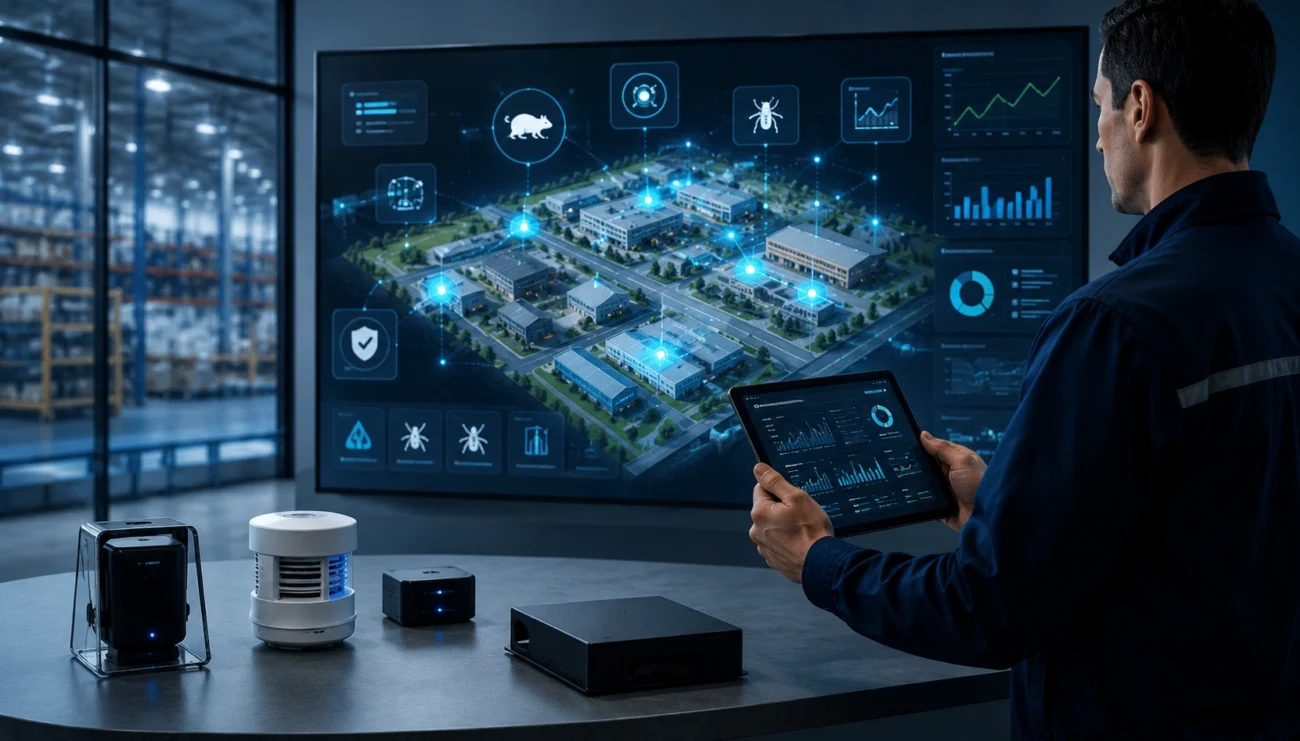
The wisecon estrategia de plataforma part of the keyword refers to the technology and platform logic behind digital pest control. WiseCon was known for digitally enabled pest-control technology, and its connection with Anticimex helped accelerate the Anticimex SMART concept. In practical terms, this moved pest control away from isolated traps and manual checks toward connected devices, continuous monitoring, and centralized data.
A platform strategy means the system is more than one trap in one corner. Sensors detect movement or activity. Digital traps respond to pests in specific locations. Connected units send information to a central data hub. Technicians review activity patterns, service the site, adjust placements, and provide documentation. The customer gets a clearer view of what is happening across the facility instead of waiting for a monthly inspection to discover a problem.
This changes the operating model. Traditional pest control often depends on scheduled visits, visual inspections, bait stations, and reactive treatment. Those methods can still be useful, but they have blind spots. Pests move at night, hide inside walls, enter through service tunnels, and appear between visits. A digital platform can detect activity sooner and help direct attention to the right area before the issue becomes visible to staff or customers.
The most important point is that digital pest control does not replace expertise. It should strengthen it. Sensors and traps create signals, but trained professionals still need to interpret those signals, check root causes, adjust the plan, and advise your team. A smart platform is only valuable when it combines technology, biology, inspection skill, documentation, and practical corrective action.
Use Cases, Compliance Value, and Operational ROI
The strongest use cases for Anticimex SMART-style systems are locations where pest activity creates high operational, financial, or reputational risk. Food manufacturing is an obvious example. A single rodent sighting can trigger internal investigations, product holds, customer complaints, or failed audits. Digital monitoring helps your team detect activity early, document responses, and identify patterns before they affect production.
Hospitality, healthcare, logistics, supermarkets, public buildings, and sewer systems also benefit from this approach. A hotel needs to protect guest areas without creating visible disruption. A hospital needs high hygiene standards and careful chemical management. A logistics site may have many doors, loading docks, pallets, and hidden routes where pests can travel. A municipal sewer network may need non-toxic rodent control in places where conventional methods are difficult to manage safely.
The compliance value comes from traceability. A strong digital pest-control platform should help you show where devices are installed, when activity was detected, what action was taken, and whether the risk declined over time. That matters during third-party audits, food safety inspections, internal quality reviews, and customer due diligence. Documentation is not a side benefit. In many businesses, it is one of the main reasons to invest in a smarter system.
There is also an operational return. Fewer unnecessary inspections can reduce wasted time. Better targeting can reduce chemical use. Faster response can reduce damage to stock, wiring, packaging, and building materials. The return is not only measured in trap counts. It is measured in fewer surprises, cleaner audit records, safer work areas, and stronger control over the hidden parts of your facility.
Personal Experience Style: The 3-Zone SMART Audit Method
When I look at a facility through the lens of anticimex 3d sanidad ambiental / wisecon estrategia de plataforma, I use a simple method I call the 3-Zone SMART Audit Method. It is not a replacement for a professional inspection, but it helps you think like a pest-control specialist before you install sensors, traps, or monitoring points. The goal is to map risk before technology is placed.
The first zone is the entry zone. This includes doors, loading bays, drains, pipe penetrations, vegetation near walls, waste areas, delivery routes, and any gap where pests can enter. Many programs fail because devices are placed where people notice pests, not where pests first get access. If you fix entry-zone weaknesses, you reduce pressure on the rest of the system.
The second zone is the movement zone. These are the routes pests use after they get inside: storage aisles, service corridors, false ceilings, wall voids, kitchen backs, utility rooms, floor-wall junctions, and dark spaces behind equipment. Digital sensors can be useful here because these areas are not always easy to inspect during normal working hours. Movement-zone data can show whether activity is isolated or spreading.
The third zone is the critical-risk zone. This includes food-contact areas, packaging storage, sterile areas, guest-facing spaces, patient areas, and any location where one incident would create serious consequences. These zones need tighter thresholds, faster response, and stronger documentation. The mistake is treating every area equally. A platform strategy works better when device placement and response rules match the risk level of each zone.
Questions to Ask Before Adopting a Platform-Based Pest-Control Strategy
Before you choose a digital pest-control provider, ask what the system actually monitors. Some solutions are strongest for rodents. Others may include fly control, cockroach detection, moth monitoring, or other pest categories. You should know whether the platform addresses your real risks or only covers one part of your pest profile.
Ask how alerts become action. A sensor notification has limited value if nobody reviews it, verifies it, or responds with a practical plan. You need to understand who receives alerts, how fast they are reviewed, when a technician is dispatched, and how corrective actions are documented. The best systems connect detection with accountability.
You should also ask how the platform supports integrated pest management. A serious provider should not simply add digital traps to a chemical-heavy program. The better approach is to use monitoring data to reduce unnecessary treatments, identify root causes, improve exclusion, and apply targeted interventions only where they are needed. That is better for safety, sustainability, and long-term control.
The final question is about proof. Ask for reporting examples, service-level expectations, site-survey methods, technician qualifications, and evidence that the system can support audits. If you manage multiple sites, ask whether you can compare activity by location and identify recurring weaknesses. A platform should make decisions clearer, not bury you in dashboards that nobody uses.
Conclusion
The keyword anticimex 3d sanidad ambiental / wisecon estrategia de plataforma is best understood as part of the move from reactive pest control to preventive, digital environmental health. Anticimex SMART and WiseCon’s technology background show how the industry has been shifting toward connected devices, constant monitoring, centralized data, and more precise interventions.
For your business, the useful question is not whether digital pest control sounds modern. The useful question is whether it gives you better control over risk. A strong platform should help you detect activity earlier, reduce blind spots, improve documentation, target technician work, and support safer decisions around pesticides and corrective actions.
This is also why the human side still matters. The best results come when technology is paired with experienced inspection, good site knowledge, and practical advice that your staff can actually follow. A sensor can tell you that something moved. A skilled professional can help you understand why it moved, where it came from, and what must change so it does not return.
If you are evaluating anticimex 3d sanidad ambiental / wisecon estrategia de plataforma, focus on outcomes. Look for prevention, transparency, audit-ready reporting, sustainable methods, and expert service. That is where platform-based sanidad ambiental becomes more than a technical upgrade. It becomes a better way to protect people, property, products, and public health.
FAQ
What is Anticimex 3D Sanidad Ambiental?
Anticimex 3D Sanidad Ambiental is best understood in the context of environmental health services linked to pest prevention, hygiene, monitoring, and control integrado de plagas. Readers searching this term are usually looking for how Anticimex-related services connect with modern sanidad ambiental and digital pest-control methods.
What is WiseCon’s role in Anticimex’s platform strategy?
WiseCon is important because its digital pest-control technology helped support the development of Anticimex SMART. The platform strategy centers on connected traps, sensors, remote monitoring, data reporting, and expert response rather than relying only on traditional scheduled inspections.
How does Anticimex SMART work?
Anticimex SMART generally starts with site analysis and planning, followed by the installation of connected sensors and non-toxic traps in strategic locations. The devices report activity to a data system, allowing technicians to review patterns, respond to alerts, and provide documentation for the customer.
Is digital pest control better than traditional pest control?
Digital pest control can be better in high-risk environments because it allows earlier detection, stronger documentation, and more targeted intervention. Traditional methods may still have a role, but they are stronger when combined with continuous monitoring and expert interpretation.
Who should consider a platform-based pest-control solution?
A platform-based solution is especially useful for food production, logistics, hospitality, healthcare, retail, schools, public buildings, and multi-site businesses. It is most valuable where pest activity can affect audits, customer trust, safety standards, or daily operations.
Disclaimer
This article is for informational and educational purposes only. It should not replace professional pest-control advice, legal compliance guidance, or a site-specific sanidad ambiental assessment.
Any claims about Anticimex, WiseCon, SMART technology, certifications, or local regulations should be verified through official company materials and qualified professionals before you make business decisions.
Loved Reading This? Discover More Exclusive Stories And Updates At [twilightmag.com]!
