


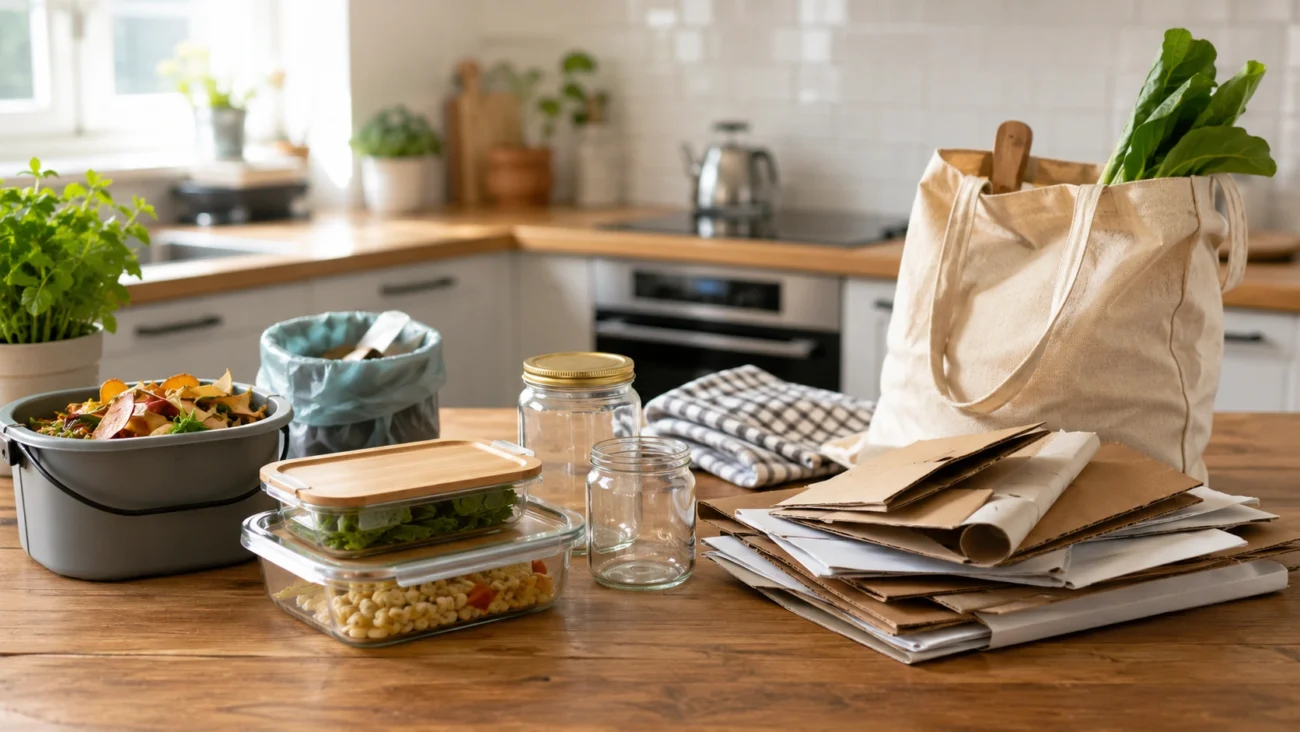
Reducing household waste often gets framed as an all-or-nothing lifestyle overhaul, complete with zero-waste grocery stores, elaborate composting systems, and a complete rejection of anything disposable. For most people, that framing is exactly why the effort stalls before it starts. Meaningful waste reduction is far more achievable when it’s built from small, sustainable habits rather than a dramatic lifestyle transformation, and the households that stick with it longest are almost always the ones that started small rather than attempting a complete overhaul overnight.
This guide covers practical, low-effort ways to meaningfully cut down on household waste, without requiring you to rebuild your entire routine from scratch.
Why Small Changes Genuinely Add Up
It’s easy to dismiss small individual habits as too minor to matter, but the math tells a different story over time. A single reusable shopping bag, used consistently for a year, replaces hundreds of disposable bags that would otherwise have been produced, used briefly, and discarded. The same logic applies to nearly every small waste-reduction habit on this list. None of them feel dramatic in the moment, but compounded across months and years, they represent a genuinely significant reduction in what a household sends to landfill.
Start With What You’re Already Throwing Away
Before changing anything, spend a week paying attention to what actually ends up in your trash and recycling. Most households find the same few categories dominate: food packaging, single-use containers, and food waste itself. Identifying your specific patterns lets you target changes that will actually move the needle, rather than adopting generic advice that doesn’t match your household’s real habits.
Reducing Food Waste First
● Plan meals around what’s already in the fridge before buying more groceries
● Store produce properly, since improper storage is a major driver of food spoiling before it’s used
● Freeze extras before they go bad instead of letting them sit until it’s too late
● Get comfortable using odds and ends in soups, stir-fries, or stock rather than discarding them
Food waste is consistently one of the largest and most overlooked categories of household waste, which makes it one of the highest-impact places to focus initial effort.
Repurposing Containers Instead of Discarding Them
Glass jars, sturdy plastic containers, and even some packaging can be cleaned and reused for food storage, organizing small items, or craft projects rather than immediately going into recycling or trash. This single habit alone meaningfully reduces both the waste leaving your home and the money spent buying new storage containers.
Giving Old Wax and Materials New Life
One of the more satisfying ways to reduce waste is repurposing materials you might otherwise throw away into something genuinely useful. Leftover candle stubs, for instance, don’t need to be tossed once they’ve burned down too low to use safely. Learning how to make homemade candles means you can melt down old wax remnants and combine them into fresh candles, extending the life of materials that would otherwise end up in the trash while creating something new and usable in the process.
This same repurposing mindset extends to other household materials too, from turning worn-out fabric into cleaning rags to reusing sturdy cardboard boxes for storage or organization projects.
Buying Secondhand Before Buying New
Checking secondhand shops, online marketplaces, or community swap groups before purchasing something new prevents perfectly usable items from ending up in a landfill while also reducing the demand for new manufacturing and its associated packaging waste. This habit applies especially well to items used infrequently, seasonal decorations, specialty kitchen tools, or children’s items outgrown quickly, where buying secondhand often costs a fraction of new while accomplishing the exact same purpose.
Cutting Back on Single-Use Items Gradually
● Swap paper towels for reusable cloths in areas where you use them most often
● Keep a couple of reusable shopping bags in your car or by the door so you actually remember them
● Replace disposable razors, when practical, with a reusable option that lasts far longer
● Choose refillable containers for household products like soap or cleaning supplies where available
None of these swaps need to happen all at once. Picking one or two to start with, and genuinely sticking with them, builds momentum far better than attempting a complete overhaul that’s hard to sustain.
Rethinking Packaging When You Do Shop
Choosing products with minimal or recyclable packaging, buying in bulk where practical, and favoring concentrated versions of household products all reduce the volume of packaging entering a home in the first place. Over time, these small purchasing decisions add up to a meaningfully smaller waste footprint without requiring a household to give up the products they actually rely on and use regularly.
Composting Without Overcomplicating It
A full backyard composting system isn’t necessary to meaningfully reduce food scrap waste. A simple countertop compost bin, emptied periodically into a basic outdoor pile or a community composting program, captures most of the benefit without demanding the time and attention a more elaborate system requires.
Rethinking Purchases Before They Become Waste
The most effective waste reduction often happens before an item ever enters your home. Pausing before a purchase to ask whether something is genuinely needed, whether a more durable version exists, or whether a similar item is already sitting unused somewhere in your house prevents waste at its source rather than trying to manage it after the fact. This single habit, building in a brief pause before non-essential purchases, quietly prevents a meaningful amount of clutter and eventual waste before it ever becomes a problem.
Involving the Whole Household
Waste reduction efforts tend to fall apart when only one household member is actually paying attention to them. Getting everyone in a household, including kids, genuinely on board with a few key habits, like rinsing containers before recycling or using a compost bin correctly, makes the entire effort far more sustainable than one person trying to manage it all alone. Simple, visible systems, like a clearly labeled compost bin right next to the trash can, make it easier for everyone to participate without needing constant reminders.
Making It Sustainable, Not Just Symbolic
The habits that actually reduce household waste over the long term are the ones that fit realistically into your existing routine, not the ones that require constant willpower to maintain. Small, consistent changes compound significantly over months and years, while dramatic short-lived efforts tend to fade once the initial motivation wears off.
It also helps to track progress in some tangible way, even informally. Noticing that your trash bin fills up more slowly than it used to, or that your grocery bill has dropped slightly because less food is going to waste, provides real, motivating feedback that keeps a household engaged with these habits well past the initial burst of enthusiasm that often fades within the first few weeks of any new routine.
Reducing household waste doesn’t require perfection or an entirely new lifestyle. It requires noticing where waste actually happens in your specific household and building small, sustainable habits around those specific patterns, one manageable change at a time, gradually turning waste reduction into something automatic rather than something that constantly demands conscious effort and willpower to sustain over the months and years ahead.
