


Table Of Contents
- Why Emergency Planning Matters
- Common Risks at Home
- Complete a Home Safety Check
- Build an Emergency Contact Plan
- Prepare an Emergency Kit
- Plan for Medical and Mobility Needs
- Choose Helpful Communication Tools
- Test and Update the Plan
- Tips for Families and Caregivers
- A Simple Plan Can Make a Big Difference
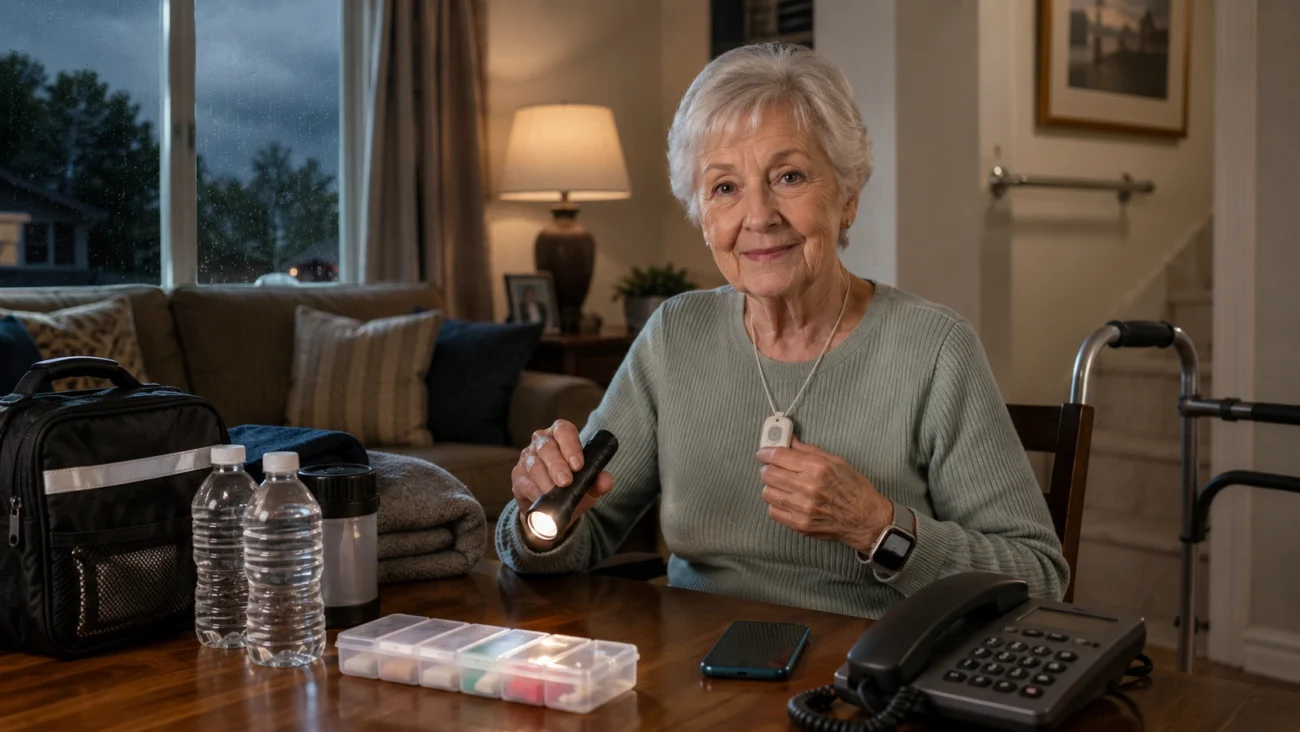
Emergencies can happen quickly, whether it is a fall, a sudden illness, a fire, a severe storm, or an extended power outage. For older adults who live alone, have limited mobility, or rely on medical equipment, a few thoughtful preparations can make a stressful moment easier to manage. A personal plan should focus on the person’s routine, abilities, and support network.
Home safety improvements, clear contact information, and dependable communication tools all play a role. For some households, an emergency response system may add another way to call for help when a phone is not nearby. The goal is not to create fear. It is to make it easier to get help, stay informed, and maintain independence during an unexpected event.
Why Emergency Planning Matters
A simple emergency plan can reduce confusion when every minute matters. It is useful for everyday events, such as a bathroom fire or a medication issue, as well as larger disasters that may require someone to stay home without power or to leave quickly. The American Red Cross preparedness guidance for older adults encourages people to consider how they would stay safe at home, evacuate, and ask for support.
Common Risks Older Adults May Face at Home
The right plan is personal. It should reflect a person’s health needs, home layout, usual transportation, and local weather risks. Common situations to plan for include:
- Falls in bedrooms, bathrooms, kitchens, hallways, or on stairs.
- Sudden chest pain, breathing trouble, weakness, confusion, or other urgent symptoms.
- Fire, smoke, or an exit that becomes blocked.
- Power outages during very hot or cold weather.
- Floods, wildfires, hurricanes, tornadoes, and evacuation orders.
- Being unable to reach a phone after an injury.
How to Complete a Home Safety Check
Set aside one afternoon to walk through the home with fresh eyes. Ask whether each space is easy to move through, well-lit, and safe to exit.
Check Walking Paths
- Remove loose rugs, cords, boxes, and low furniture from common walkways.
- Use bright lighting in halls, stairways, and entrances.
- Keep commonly used items between waist and shoulder height.
Review the Bathroom and Kitchen
- Use stable non-slip surfaces and consider grab bars near the toilet and shower.
- Make light switches and night-lights easy to reach.
- Store heavy cookware at waist height, test smoke alarms, and keep a fire extinguisher accessible.
How to Build an Emergency Contact Plan
Choose more than one person to contact. A good plan includes a nearby friend, neighbor, or relative who can reach the home quickly; a family coordinator who can update others; and a professional contact, such as a doctor, home-care provider, building manager, or community support worker.
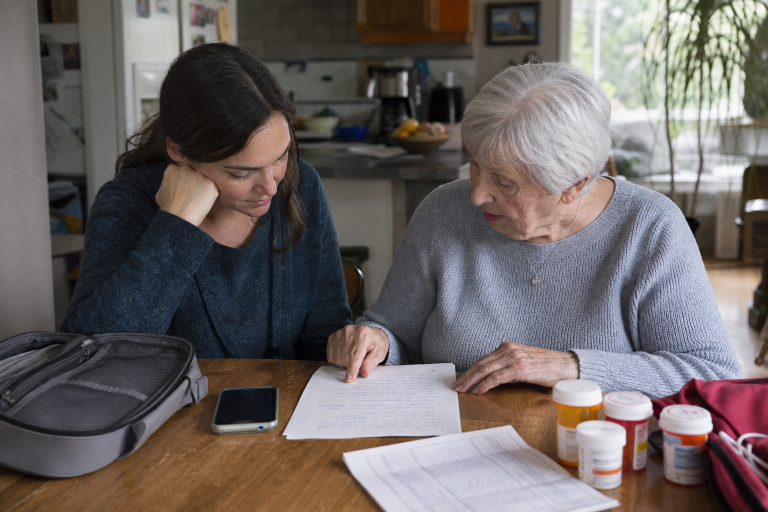
Keep a printed emergency card by the phone, in a wallet, and inside the emergency kit. Include the person’s full name and address, medical conditions, allergies, medications and dosages, pharmacy and doctor information, insurance details, preferred hospital, emergency contacts, and any hearing, vision, communication, or mobility needs.
What to Keep in an Emergency Kit
Store supplies in a known location that is easy to carry or move. Refill the kit as items are used, expire, or change.
- Basic supplies: Water, shelf-stable food, flashlights, spare batteries, a backup radio, first-aid items, blankets, a whistle, and hygiene supplies.
- Personal supplies: Prescription medication when possible, eyeglasses, hearing aid batteries, mobility aids, copies of identification and medical information, and pet supplies, if needed.
- Power and communication: Charged power banks, backup chargers, and a printed list of important phone numbers.
Planning for Medical and Mobility Needs
Medical needs deserve their own backup plan. Consider what will happen if electricity fails, refrigerated medication needs to stay cold, an elevator is unavailable, roads are closed, or oxygen equipment and other essential devices need power. Talk with medical providers and equipment suppliers about safe alternatives before an emergency occurs.
The National Institute on Aging’s disaster preparedness resources offer additional guidance on evacuation, medications, mobility equipment, important documents, and recovery needs.
Communication Tools That Can Help
Different tools work for different routines. A mobile phone is helpful only if it stays charged and within reach. Voice assistants may help someone place a call without having to cross the room. Scheduled check-in calls can provide reassurance, while emergency call devices may offer a direct option when speaking or moving is difficult. Location-sharing tools can also help trusted contacts find someone who becomes lost or disoriented.
Before choosing any tool or service, check whether it works inside and outside the home, during a power outage, and when the user cannot speak clearly. Review battery life, water resistance, setup requirements, costs, and privacy settings.
How to Test and Update the Plan
A plan works best when it is practiced. Walk through the safest exits, call each emergency contact, test smoke alarms and backup lights, and make sure chargers and medical devices work. Review the emergency card every three months. Replace expired food, batteries, and medication supplies. Update everything after a move, a hospital visit, a new diagnosis, or a change in mobility.
Tips for Families and Caregivers
- Include the older adult in every decision and respect personal preferences.
- Use plain language, short instructions, and easy-to-read labels.
- Keep a spare key with a trusted person or in an approved lockbox.
- Let nearby contacts know about important mobility, hearing, or memory concerns.
- Ask the person to demonstrate how safety tools and communication devices work.
- Build support without taking away independence or privacy.
A Simple Plan Can Make a Big Difference
Emergency planning does not need to be expensive or complicated. A safer home, reliable contacts, useful supplies, and regular practice can help older adults respond with greater confidence. The best plan is one that fits daily life and remains simple enough to use during a difficult moment.
