


Table Of Contents
- Why Window Tint Matters In Colorado Springs
- VLT Basics: What Tint Percentages Mean
- Comparing Common Window Film Types
- Heat, Glare, And UV Protection
- How To Check Colorado Tint Rules
- Matching Tint To The Vehicle And Driver
- What Quality Installation Looks Like
- Aftercare And Common Maintenance Questions
- Mistakes To Avoid Before Tinting
- A Simple Tint-Buying Checklist
- Final Thoughts
Colorado Springs drivers deal with bright high-altitude sun, sudden weather shifts, reflective snow, and long stretches of open road. The right window tint can make a cabin feel more comfortable, reduce distracting glare, and help protect upholstery and trim from daily sun exposure. Drivers who also want to preserve exterior paint may consider ceramic coating for cars in Colorado Springs, CO, as part of a broader vehicle-protection plan.
Window tint is not simply about making glass look darker. A well-chosen film should balance heat control, visibility, privacy, local driving habits, and Colorado requirements. Whether a vehicle spends the day parked near downtown, makes regular trips along Powers Boulevard, or heads west toward the mountains, performance matters more than appearance alone.
Why Window Tint Matters In Colorado Springs
Colorado Springs sits at a high elevation, where clear days can bring intense sunlight into a vehicle. Direct sun can quickly warm seats, dashboards, child safety seats, and steering wheels. Glare can also become a real comfort and visibility issue when sunlight reflects from pale pavement, windshields, snowbanks, or nearby traffic.
Because tint performance depends on film construction, a darker shade is not automatically the best answer for heat rejection. A lighter, higher-quality film may deliver strong solar control while maintaining more comfortable nighttime visibility. For drivers searching for automotive ceramic coating near me, it is also worth treating window film and paint protection as separate decisions, each with distinct benefits.
VLT Basics: What Tint Percentages Mean
Visible light transmission, usually called VLT, describes how much visible light passes through the finished window. Higher percentages look lighter, while lower percentages look darker. VLT is more useful than judging a sample by appearance alone.
- 70% VLT: A light look that allows substantial visibility.
- 35% VLT: A balanced middle ground for many drivers who want noticeable shade without a very dark appearance.
- 20% VLT: A much darker look that can increase privacy but may reduce low-light visibility.
Always remember that the final measurement includes both the vehicle glass and the installed film. Factory privacy glass is often darkened glass, not added solar film, and applying a 35% film over it can create a substantially darker final result.
Comparing Common Window Film Types
Film categories differ in price, appearance, durability, and performance. Comparing the construction helps drivers choose a practical fit instead of paying for features they do not need.
- Dyed film: Often the entry-level choice, with a simple darkened appearance and lower upfront cost. It may fade sooner than premium options.
- Metalized film: Can provide effective heat and glare reduction, but metal content may interfere with certain electronic signals.
- Carbon film: Typically offers stable color, a clean matte appearance, and dependable performance without a metallic look.
- Ceramic film: Often chosen for heat control, optical clarity, and signal-friendly construction, though it commonly costs more.
Heat, Glare, And UV Protection
Solar energy is more than the light a driver sees through the glass. This is why a relatively light film can still improve comfort inside the vehicle. When reviewing 3M automotive window film performance information, look beyond shade and ask about total solar energy rejected, ultraviolet rejection, infrared performance, and glare reduction.
- Heat rejection: Helps limit the solar energy entering the cabin.
- Glare control: Can make bright morning, afternoon, and winter driving less tiring.
- UV protection: May help reduce sun exposure and slow fading of interior materials.
- Clarity is especially important on dark Colorado Springs evenings, during rain, and on mountain roads.
Ask for measurable specifications for the exact film being installed. Product numbers can vary by shade, and performance figures should be compared using similar test methods.
How To Check Colorado Tint Rules
Check legality before choosing a shade. Colorado law generally requires at least 70% light transmission through the windshield and at least 27% through other windows, with a separate allowance for darker windows behind the driver when the windshield and front side windows meet a higher transmission standard. Review the current Colorado statutes before installation because legal requirements and interpretations can change.
Confirm the final glass-and-film VLT, not merely the film label. Ask the installer about windshield treatment, reflectivity, rear-window rules, factory glass, and any claimed medical or vehicle-specific exception. Keep the receipt, warranty, and film details in the vehicle records.
Matching Tint To The Vehicle And Driver
Questions To Ask Before Choosing
- Does the vehicle sit outdoors in direct sun for most of the day?
- Are long commutes or highway trips common?
- Does the primary driver frequently travel at night?
- Is rear-seat comfort or privacy the main priority?
- Does the vehicle rely on GPS, satellite radio, Bluetooth, or toll devices?
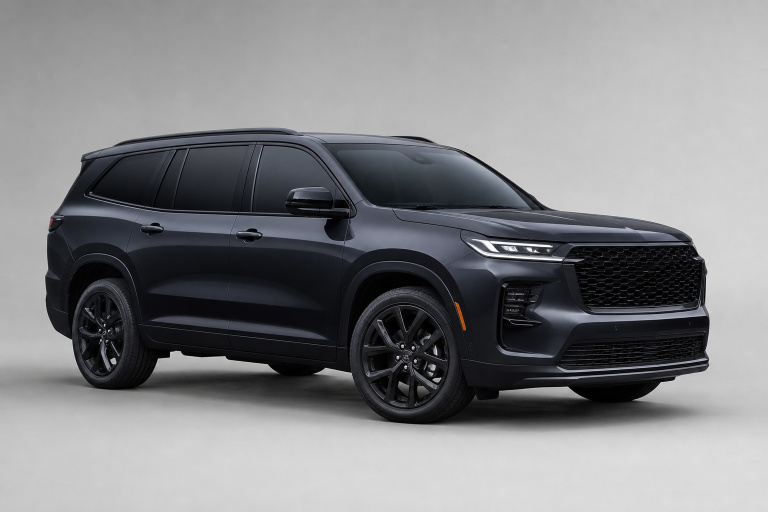
A family SUV may benefit from glare reduction for rear passengers, while a night-driving commuter may prioritize a lighter ceramic film with strong heat control. The best choice is the one that fits the vehicle’s actual use.
What Quality Installation Looks Like
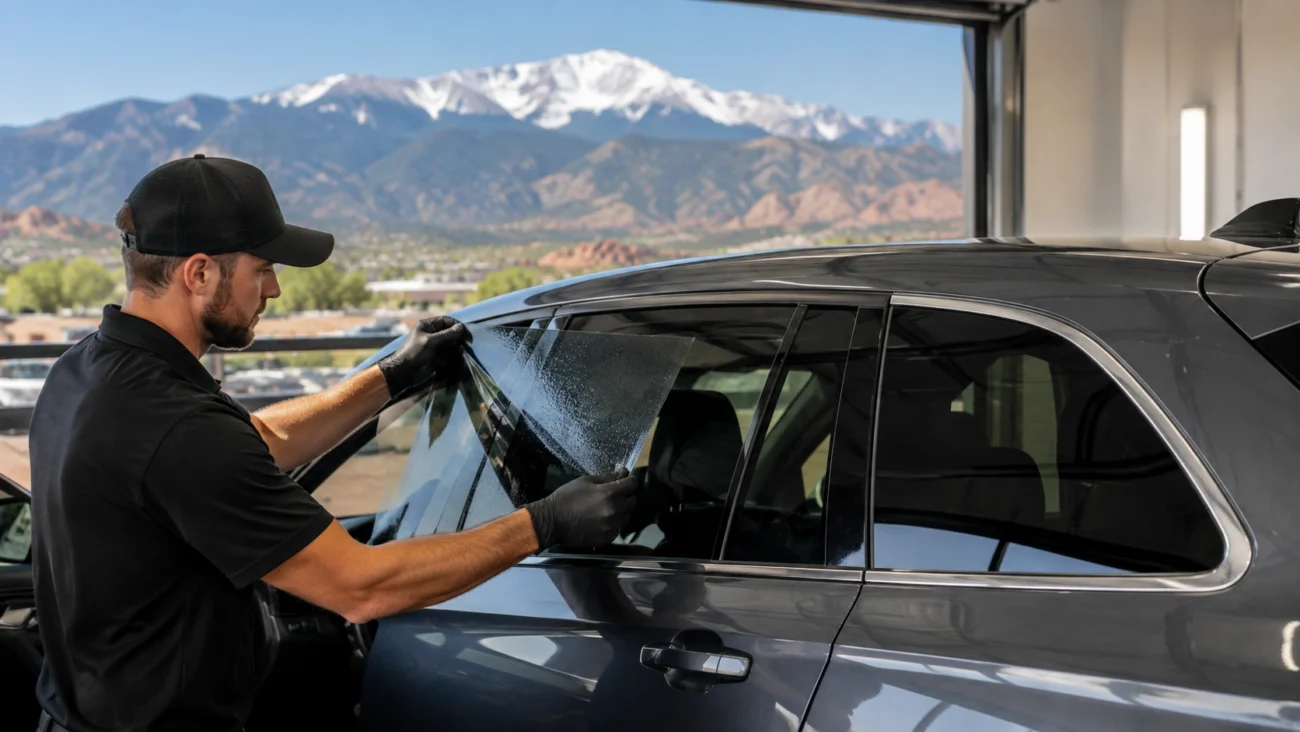
Installation quality affects both appearance and service life. The process should include glass inspection, careful cleaning, accurate pattern cutting, controlled application, and a final review for scratches, contamination, lifting edges, creases, and large bubbles. Small moisture pockets can appear while the film cures, but pronounced defects should be addressed promptly.
Aftercare And Common Maintenance Questions
Follow the installer’s curing instructions before cleaning interior glass or lowering treated windows. Once cured, use an ammonia-free cleaner and a soft microfiber towel. Avoid abrasive pads, sharp objects, and aggressive scraping near film edges. Report peeling, cracking, haze, or discoloration early so warranty concerns can be documented.
Mistakes To Avoid Before Tinting
- Choosing the darkest option without considering night visibility.
- Assuming factory privacy glass provides the same heat control as window film.
- Ignoring the starting VLT of the existing glass.
- Comparing quotes without confirming the film brand, series, and warranty.
- Selecting metalized film without considering electronic devices.
- Relying on outdated summaries of Colorado tint requirements.
A Simple Tint-Buying Checklist
- List the windows that need film and how the vehicle is used.
- Rank heat control, glare reduction, privacy, UV protection, and visibility.
- Choose a target VLT range after viewing samples in daylight.
- Request technical data for the exact film series and shade.
- Confirm the final installation complies with Colorado requirements.
- Review warranty terms, curing instructions, and the finished work.
Final Thoughts
The best automotive window tint for Colorado Springs is not always the darkest or most expensive option. A smart selection balances local sun exposure, winter glare, comfort, lawful VLT, driving visibility, film construction, and installation quality. Taking the time to compare those factors can lead to a more comfortable drive through every season in Colorado.
