


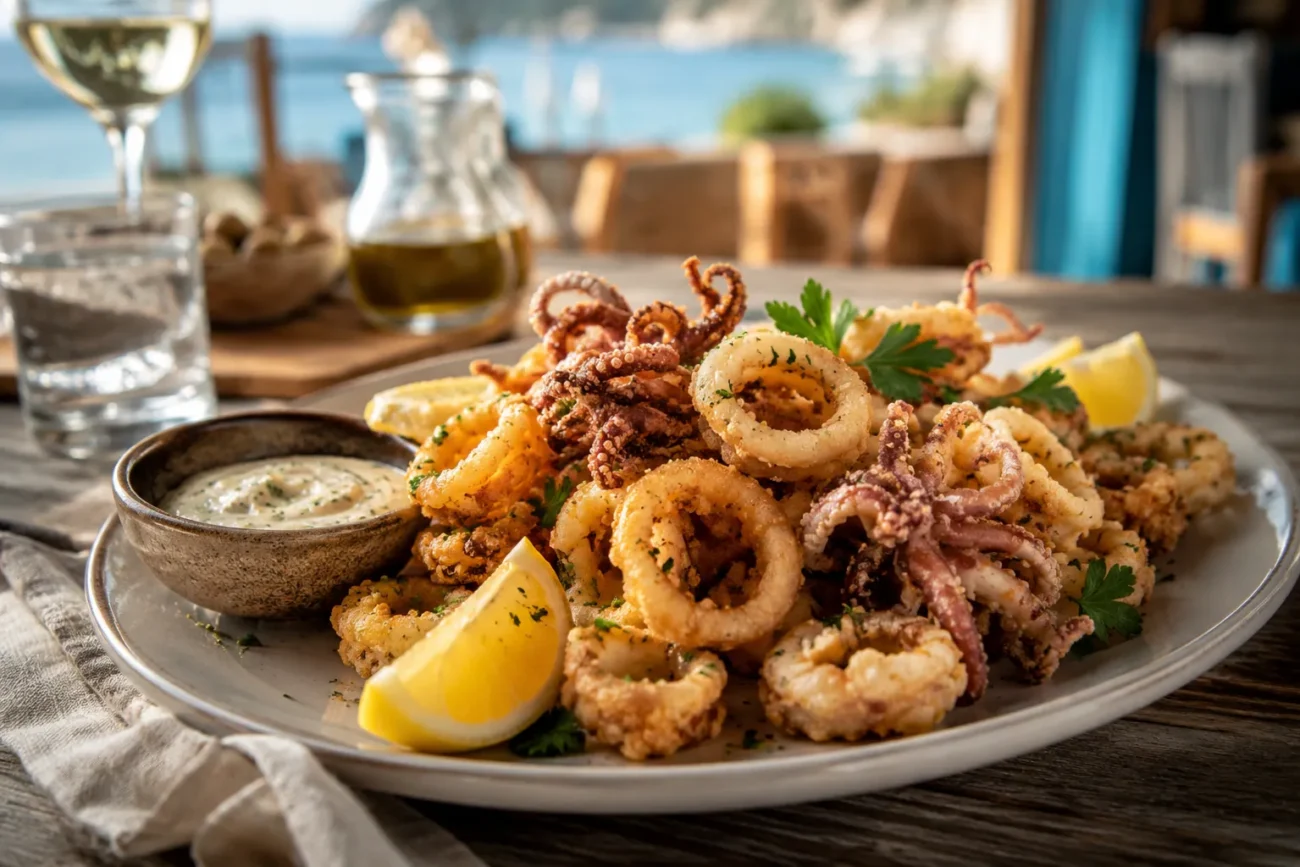
Calamariere is a squid-based dish rooted in Mediterranean cooking traditions, prized for its tender texture, mild flavor, and versatility in the kitchen. Whether fried, grilled, or simmered in sauce, calamariere turns a simple catch from the sea into a dish that appears on menus from small coastal trattorias to high-end seafood restaurants. If you’ve ever ordered a plate of golden, crispy rings at an Italian restaurant, you’ve likely already tasted a version of it.
What Is Calamariere?
Calamariere refers to squid prepared as a dish, most commonly associated with Italian and broader Mediterranean cuisine. The term comes from calamari, the Italian word for squid, which itself traces back to the Latin calamarius and the Greek word for a reed or pen — a nod to the squid’s ink sac.
Unlike a single fixed recipe, calamariere is really a category of squid preparations. It can mean deep-fried squid rings, a squid and tomato stew, grilled squid skewers, or squid tossed through pasta. What ties these dishes together is the star ingredient and the coastal cooking philosophy behind them: fresh seafood, simple seasoning, and quick cooking that respects the squid’s naturally delicate texture.
The Origins and History of Calamariere
Squid has been part of Mediterranean diets since ancient times. Coastal communities in Italy and Greece relied on squid as an affordable, abundant protein source long before it became a restaurant favorite. Ancient Greek cooks prepared it with olive oil and herbs, while Roman fishermen brought it fresh from the sea to local markets.
As trade expanded through the Middle Ages, squid dishes spread across Europe and picked up new influences. Italian cooks popularized frying techniques, while Spanish kitchens folded squid into their tapas culture. Over centuries, calamariere evolved from a humble fisherman’s meal into a dish found on menus worldwide, adapting to local tastes wherever it traveled.
Bold takeaway: Calamariere isn’t a modern invention — it’s a centuries-old tradition that has simply been refined and reinterpreted by different cultures over time.
How Calamariere Is Prepared Around the World
Because squid is available in coastal regions across the globe, calamariere has taken on distinct regional identities:
- Mediterranean style — Olive oil, garlic, lemon, and fresh herbs like parsley or oregano keep the flavor light and bright.
- Asian-inspired versions — Squid is battered tempura-style or tossed in spicy chili and garlic sauces.
- Latin American takes — Lime juice, chili peppers, and cilantro give calamariere a zesty, tangy profile.
- American seafood-restaurant style — Deep-fried rings served with marinara or a creamy dipping sauce.
Coastal towns tend to favor simpler preparations that let the squid’s natural sweetness shine, while urban restaurants often experiment with bolder sauces, spice blends, and fusion presentations.
Nutritional Value and Health Benefits
Calamariere isn’t just delicious — it’s also a smart addition to a balanced diet. Squid is:
- High in protein, supporting muscle repair and satiety
- Low in calories when prepared without heavy breading or deep frying
- Rich in vitamin B12, essential for nerve function and energy production
- A good source of omega-3 fatty acids, which support heart and brain health
- Packed with minerals like selenium, phosphorus, and copper
The healthiest versions of calamariere are grilled, sautéed, or lightly pan-seared rather than deep-fried, since frying adds significant calories and fat.
How to Cook Calamariere at Home
Cooking squid well comes down to one golden rule: either cook it very fast or very slow. Anything in between turns it rubbery.
Quick Pan-Seared or Grilled Method
- Clean and slice the squid into rings or leave tentacles whole.
- Pat the squid completely dry to ensure a good sear.
- Heat a pan or grill until very hot, then add a small amount of oil.
- Cook for 60–90 seconds per side — no longer.
- Season with sea salt, black pepper, and a squeeze of fresh lemon.
Classic Fried Calamariere
- Cut squid into rings and pat dry.
- Dredge in seasoned flour or a light batter.
- Fry in oil heated to around 350–375°F (175–190°C) for 2–3 minutes until golden.
- Drain on paper towels and serve immediately while crisp.
Slow-Braised Calamariere
- Sear squid pieces briefly, then remove from the pan.
- Build a tomato-based sauce with garlic, onion, and white wine.
- Return the squid to the sauce and simmer gently for 30–45 minutes until tender.
- Serve over pasta, polenta, or crusty bread.
Best Sauces and Pairings for Calamariere
Calamariere pairs beautifully with a range of flavors:
| Pairing | Best With |
| Lemon-garlic butter | Grilled or pan-seared calamariere |
| Marinara or arrabbiata | Fried or braised calamariere |
| Aioli or spicy mayo | Crispy fried rings |
| White wine and herb sauce | Squid pasta dishes |
| Chili-lime dressing | Latin-style calamariere salads |
A crisp white wine, such as Vermentino or Sauvignon Blanc, complements the dish’s light, briny flavor without overpowering it.
Buying and Storing Squid for Calamariere
When buying squid, look for:
- Firm, glossy flesh with a mild ocean smell (never a strong fishy odor)
- Clear, bright eyes if buying whole squid
- Skin that’s intact without excessive tearing
Storage tips:
- Fresh squid should be used within 1–2 days of purchase
- Store it on ice or in the coldest part of the refrigerator
- Frozen squid keeps well for up to 3 months and often works just as well as fresh for cooking
Common Mistakes to Avoid
- Overcooking — This is the number one reason squid turns rubbery. Stick to short cook times or long, slow braises.
- Skipping the pat-dry step — Wet squid won’t sear properly and can end up steaming instead of browning.
- Overcrowding the pan — This drops the temperature and leads to soggy, unevenly cooked squid.
- Using low-quality oil for frying — This affects both flavor and texture of the final dish.
Calamariere vs. Other Squid Dishes
| Dish | Key Difference |
| Calamariere | General term for squid prepared in various styles |
| Fried Calamari | Specifically breaded and deep-fried squid rings |
| Squid Ink Pasta | Uses squid ink for color and flavor, not just the meat |
| Grilled Octopus | Different cephalopod, denser texture, longer cook time |
Understanding these distinctions helps when ordering at a restaurant or deciding what to cook at home.
FAQs
What does calamariere taste like?
Calamariere has a mild, slightly sweet, oceanic flavor with a tender texture when cooked properly, similar to a cross between fish and a very lean piece of meat.
Is calamariere the same as calamari?
Yes, calamariere is closely related to calamari — both refer to squid prepared as food, with calamariere often used to describe the broader dish or preparation style.
How do I keep squid from becoming rubbery?
Cook it either very quickly (under two minutes per side) at high heat, or very slowly in a simmering sauce for 30+ minutes. Avoid the in-between cook times.
Is calamariere healthy?
Yes, especially when grilled or sautéed. It’s high in protein and vitamin B12 while being naturally low in fat, though frying adds extra calories.
Can I make calamariere without frying?
Absolutely. Grilling, pan-searing, and braising are all excellent alternatives that reduce added fat while still delivering great flavor.
What’s the best sauce for calamariere?
Lemon-garlic butter works well for grilled versions, while marinara or arrabbiata complements fried or braised preparations.
Where does calamariere come from?
It has roots in ancient Mediterranean cooking, particularly in Italy and Greece, and has since spread and adapted across global cuisines.
Conclusion
Calamariere is more than a simple squid dish — it’s a reflection of centuries of Mediterranean cooking tradition, adapted and reinvented by cultures around the world. Whether you prefer it fried and crispy, grilled with lemon, or slow-braised in a rich tomato sauce, mastering a few basic techniques is all it takes to bring this coastal classic into your own kitchen. Try one of the methods above this week, and taste for yourself why calamariere has earned its place on tables across the globe.
Disclaimer
This article on calamariere is for general informational purposes only and is not professional culinary, nutritional, or medical advice. Cooking results may vary, so always follow proper food safety practices when handling and preparing seafood, and consult a healthcare professional regarding any dietary concerns or allergies.
