


Introduction
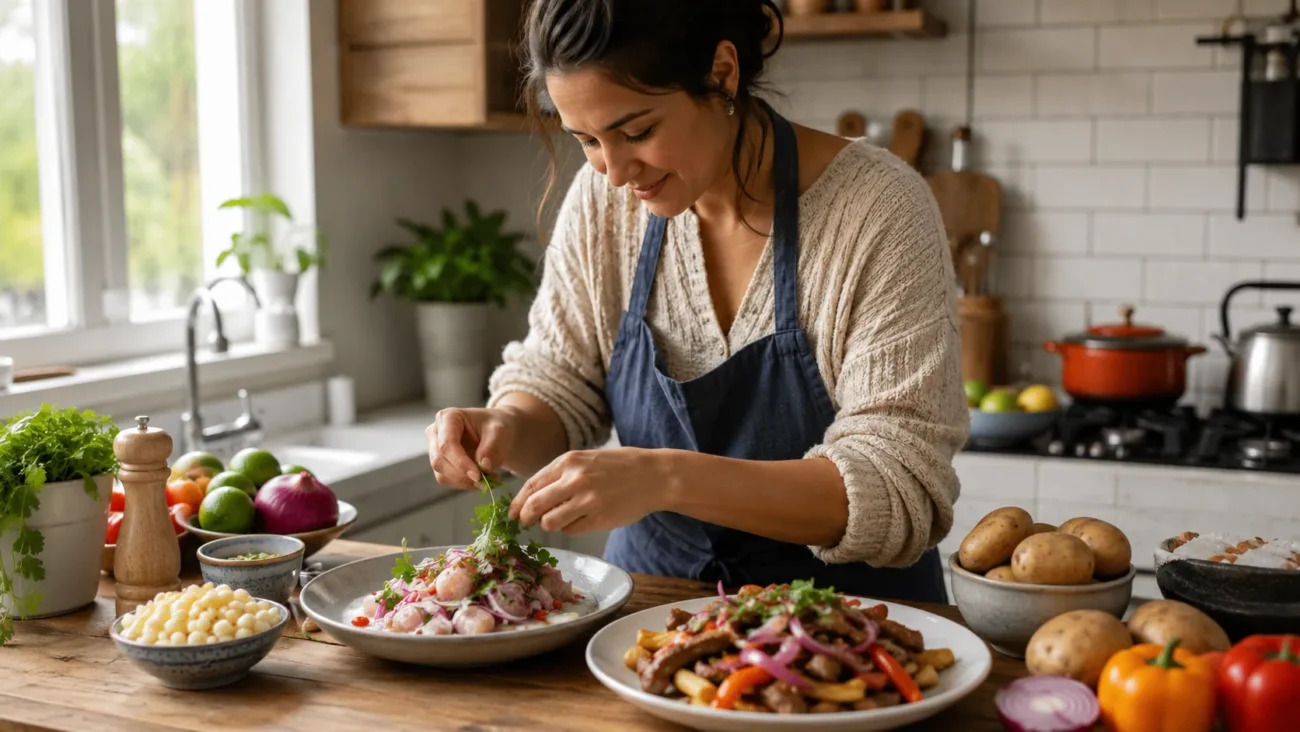
Peruvian cuisine has quietly earned a reputation as one of the most exciting food cultures in the world — a rich blend of indigenous ingredients, Spanish influence, and later waves of Chinese and Japanese immigration that shaped iconic dishes like ceviche and lomo saltado. But you don’t need a trip to Lima to enjoy it.
Many of Peru’s most beloved dishes are surprisingly approachable for home cooks, even outside Peru. With a handful of key ingredients — many of which are now available online or at Latin grocery stores — you can bring authentic Peruvian flavors into your own kitchen. This guide walks you through the essential ingredients, a selection of easy, beginner-friendly recipes, and a full step-by-step recipe you can make tonight.
Key Ingredients You’ll Need (And Easy Substitutes)
Peruvian cooking relies on a handful of signature ingredients that give the cuisine its distinct flavor. Here’s what to look for — and what to use if you can’t find the real thing.
Ají Amarillo Paste
This bright yellow-orange pepper paste is one of the most essential ingredients in Peruvian cooking, adding fruity heat to dishes like ají de gallina and papa a la huancaína. It’s increasingly available at Latin grocery stores or online. If you can’t find it, a mix of yellow bell pepper and a small amount of habanero or cayenne can approximate the flavor, though the taste won’t be identical.
Ají Panca Paste
A milder, smokier pepper paste used in marinades, particularly for anticuchos and some stews. Ancho chili paste is a reasonable substitute if ají panca isn’t available.
Peruvian Corn (Choclo)
Known for its large, starchy kernels, choclo is often served alongside ceviche or in soups. If unavailable, regular corn on the cob or hominy can be used as a substitute, though the texture will differ slightly.
Fresh Lime Juice
Essential for dishes like ceviche, where the acid “cooks” the fish. Always use freshly squeezed lime juice rather than bottled, as the flavor difference is noticeable in dishes where citrus plays a central role.
Queso Fresco
A soft, mild, crumbly cheese used in several Peruvian dishes, including papa a la huancaína. If unavailable, a mild feta or farmer’s cheese can work as a substitute, though queso fresco is less salty.
Having these ingredients on hand — or at least the substitutes — is the first step toward making most of the recipes in this guide.
Easy Peruvian Recipes to Try at Home
Here’s a selection of Peruvian dishes that are genuinely approachable for home cooks, ranging from no-cook appetizers to comforting one-pot meals.
Ceviche
Peru’s most famous dish is also one of the simplest to make. Fresh white fish is marinated briefly in lime juice, which “cooks” the fish through acidity rather than heat, then mixed with red onion, cilantro, and ají peppers. No stove required — just fresh ingredients and a short marinating time. Best for those comfortable working with raw fish.
Papa a la Huancaína
A creamy, mildly spicy potato dish that’s one of the easiest and most forgiving recipes to start with. Boiled potato slices are topped with a blended sauce of ají amarillo, cheese, milk, and crackers. It requires no advanced technique, just a blender and about 20 minutes.
Lomo Saltado
A stir-fried beef dish combining tender strips of beef, onions, tomatoes, and French fries, seasoned with soy sauce and ají peppers. If you’re already comfortable with basic stir-frying, this dish translates easily to a Peruvian flavor profile.
Ají de Gallina
A rich, creamy shredded chicken stew made with ají amarillo, milk, bread, and walnuts. It’s a comforting, one-pot dish that’s forgiving for beginners, since the sauce comes together gradually and can be adjusted for spice level.
Pollo a la Brasa
Peru’s beloved rotisserie-style roast chicken, marinated in garlic, cumin, and paprika before roasting until crisp. While it takes longer than other dishes on this list due to marinating and roasting time, the actual technique is simple and beginner-friendly.
Arroz con Pollo
A one-pot chicken and rice dish flavored with cilantro, garlic, and vegetables. It’s an easy weeknight meal that requires minimal active cooking time once everything is in the pot.
Papa a la Huancaína (Peruvian Potatoes in Spicy Cheese Sauce)
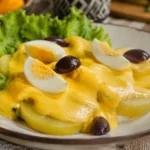
A classic Peruvian appetizer of boiled potatoes topped with a creamy, mildly spicy ají amarillo and cheese sauce. One of the easiest and most forgiving Peruvian recipes for beginners.
- Large pot
- Blender
- 6 medium yellow potatoes (peeled)
- 1 tbsp ají amarillo paste
- 200 g queso fresco (crumbled)
- 120 ml evaporated milk
- 4 saltine crackers
- 1 tbsp vegetable oil
- 2 garlic cloves
- 1 tsp salt (adjust to taste)
- 4 lettuce leaves (for serving)
- 2 hard-boiled eggs (halved)
- 8 black olives (for garnish)
-
Place the potatoes in a large pot of salted water. Bring to a boil and cook until fork-tender, about 20–25 minutes. Drain and let cool slightly, then slice into thick rounds.
-
In a blender, combine the ají amarillo paste, queso fresco, evaporated milk, saltine crackers, vegetable oil, and garlic cloves. Blend until smooth and creamy, scraping down the sides as needed.
-
Taste the sauce and add salt as needed. If the sauce is too thick, add a splash more evaporated milk until it reaches a pourable, creamy consistency.
-
Line a serving plate with lettuce leaves. Arrange the sliced potatoes on top, then generously pour the sauce over them.
-
Top with hard-boiled eggs and black olives. Serve immediately at room temperature or slightly chilled.
If ají amarillo paste isn’t available, substitute with a mix of yellow bell pepper and a small amount of habanero for heat. Queso fresco can be substituted with mild feta, though it will add more saltiness. This dish is traditionally served as an appetizer or side but can also work as a light lunch.
Tips for Cooking Peruvian Food Outside Peru
Cooking Peruvian food outside of Peru comes with a few practical challenges, but they’re easy to work around once you know what to expect.
Where to Source Ingredients
Ají amarillo and ají panca pastes are increasingly available at Latin American grocery stores, international supermarkets, or online retailers that ship frozen or jarred Peruvian ingredients. Buying in bulk and freezing extra paste in small portions is a practical way to always have some on hand.
Adjusting Spice Levels
Peruvian dishes are generally more about flavor than intense heat, but ají amarillo still carries noticeable spice. If you’re cooking for people sensitive to spice, start with less paste than the recipe calls for and adjust gradually — you can always add more, but you can’t take it out.
Getting Ceviche Right
For those new to ceviche, the most common mistake is over-marinating the fish, which can make the texture mushy rather than firm and opaque. Check the fish after 10-15 minutes; it should look “cooked” (opaque) but still have a slightly tender bite, not fall apart.
Don’t Skip the Simple Sides
Many Peruvian mains are traditionally served with simple sides — white rice, boiled potatoes, or corn — that balance the bold flavors of the main dish. Skipping these can make a dish feel unbalanced, even if the main component is made correctly.
Frequently Asked Questions
Is Peruvian food spicy?
Peruvian food focuses more on flavor and balance than intense heat, though ají amarillo and other peppers do add noticeable warmth. Spice levels can generally be adjusted by using less pepper paste.
What’s the easiest Peruvian dish for beginners?
Papa a la huancaína is one of the most beginner-friendly options — it requires no advanced cooking technique, just boiling potatoes and blending a sauce.
Where can I buy ají amarillo paste?
Latin American grocery stores, international supermarkets, and online retailers that specialize in Peruvian or Latin American ingredients typically carry it, often in jarred or frozen form.
Is ceviche safe to make at home?
Yes, as long as you use fresh, high-quality fish from a reputable source and follow proper marinating times. The lime juice’s acidity “cooks” the fish, but starting with fresh fish is essential for food safety.
Can I make Peruvian food without specialty ingredients?
Some dishes, like lomo saltado or arroz con pollo, use more widely available ingredients. Others, like papa a la huancaína or ají de gallina, rely more heavily on ají amarillo, though reasonable substitutes exist.
Conclusion
Peruvian cuisine might seem intimidating at first, but as this guide shows, many of its most beloved dishes are genuinely approachable for home cooks — even without a trip to Peru or an entire pantry of specialty ingredients. Starting with a simple recipe like papa a la huancaína is a great way to get comfortable with the flavors before moving on to more involved dishes like lomo saltado or ají de gallina.
Once you’ve stocked a few key ingredients, you’ll find that Peruvian cooking rewards you with bold, balanced flavors that are well worth the effort. Whether you’re drawn to the freshness of ceviche or the comforting richness of a creamy potato dish, there’s an easy entry point into this incredible cuisine waiting in your own kitchen.
