


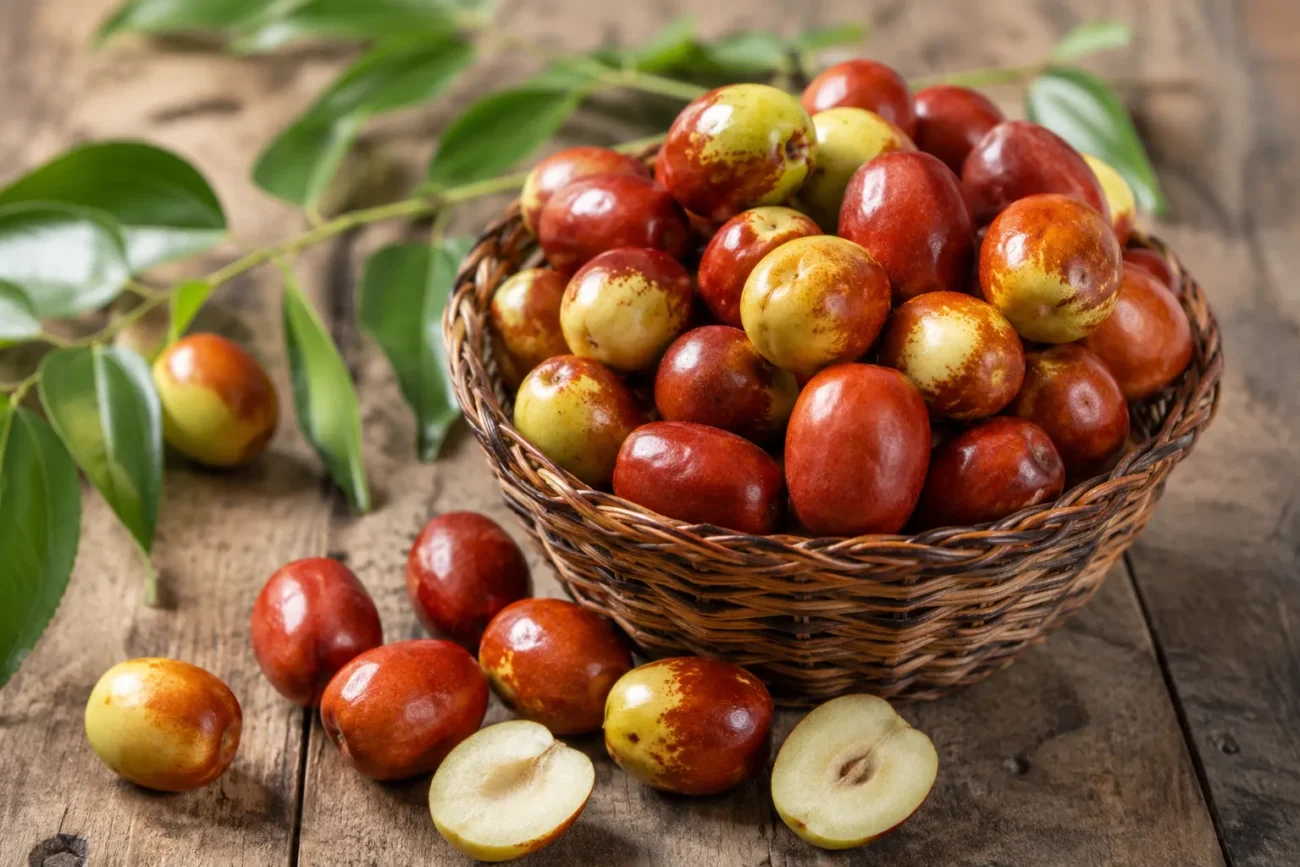
Žižole are small, sweet seasonal fruits also known as jujube, Chinese date, red date, or kitajski datelj. They grow on the Ziziphus jujuba tree, a hardy fruit tree from the Rhamnaceae family, and are especially loved in Mediterranean, Adriatic, Slovenian, Croatian, and Istrian regions.
Fresh žižole are crisp, light, and mildly sweet, while dried žižole become chewy, richer, and more date-like. Many people search for them because they want to know what žižole are, how they taste, whether they are healthy, how to eat them, and how to use them in recipes.
This complete guide explains žižole benefits, nutrition facts, fresh vs dried uses, storage tips, possible side effects, growing advice, and where to buy žižole fruit or sadike žižule.
What Are Žižole?
Žižole are the fruits of the Ziziphus jujuba tree. Depending on the region, they may also be called žižola, žižula, žižule, jujube fruit, Chinese date, red date, navadni čičimak, čičimak, or čičmak. In Slovenian and Croatian coastal areas, the names žižola and žižula are especially common.
Botanically, the plant belongs to the Rhamnaceae family, also known as the buckthorn family or krhlikovke. It is usually described as a small deciduous tree, thorny shrub, or grm ali drevo, depending on how it grows and is pruned. The tree can have thorny branches, glossy green leaves, small yellowish-green flowers, and oval fruits with a hard inner seed or koštica.
The fruit has a long history in China, East Asia, and traditional Chinese medicine, but it also grows well in warm Mediterranean regions such as Istria, Primorska, Dalmatia, Croatia, and parts of Slovenia. Because the tree is known for drought resistance, it fits well in areas with hot summers and lighter, well-drained soils.
In English, žižole are usually called jujube fruit. The name Chinese date comes from the dried fruit’s chewy, date-like texture, although žižole are not the same as common dates.
What Do Žižole Look and Taste Like?
Fresh žižole are small, smooth fruits that change color as they ripen. Young fruits are usually green, then they turn yellowish, spotted, reddish-brown, and finally darker brown when fully mature. This is why many people search for green vs brown žižole or ask how to know žižole are ripe.
The taste depends on ripeness. Fresh žižole are often compared to a small apple because they are crisp, light, and mildly sweet. When fully ripe, they become softer and sweeter. Dried žižole are very different. They are chewy, more concentrated in flavor, and closer to dates in taste.
Inside each fruit is a hard seed or koštica, so you should eat around it or remove it before using the fruit in recipes. The skin is edible when the fruit is fresh and clean, though some people prefer softer, fully ripe fruits because the texture is gentler.
| Type | Taste | Texture | Best Use |
| Fresh žižole | Mild, sweet, apple-like | Crisp or slightly soft | Raw snack, salads, fresh eating |
| Dried žižole | Sweeter, date-like | Chewy | Tea, compote, desserts, cooking |
If you are trying žižole for the first time, start with fresh ripe fruits in autumn. They give the clearest sense of the fruit’s natural taste.
When Are Žižole Ripe?
Žižole are mostly associated with autumn. In many Mediterranean and Adriatic areas, the fruit ripens from September into October, depending on climate, variety, and growing conditions. Some trees may start producing ripe fruit around the middle or end of September, while others are best harvested in October.
A simple ripeness guide is to look at color and texture. Green žižole are usually firmer and less sweet. Reddish-brown fruits are sweeter and better for fresh eating. Darker, slightly wrinkled fruits are softer and closer to the dried-fruit flavor.
For home growers, this seasonality matters. Fresh žižole do not stay perfect forever, so autumn is the best time to enjoy them raw, make žižole tea, prepare marmelada, dry them, or preserve them for winter.
Žižole Nutrition Facts
Žižole nutrition is one of the biggest reasons people search for this fruit. They are often described as a healthy seasonal snack because they contain vitamin C, fiber, antioxidants, and several important minerals.
Fresh jujube fruit is especially known for vitamin C, which supports normal immune function and collagen formation. Žižole also contain fiber, which supports digestion and helps make fruit more filling. Their plant compounds include flavonoids, polyphenols, and other antioxidants that help protect cells from oxidative stress.
| Nutrient / Compound | Why It Matters |
| Vitamin C | Supports immune health and collagen production |
| Fiber / vlaknine | Helps digestion and fullness |
| Antioxidants | Support cell protection from oxidative stress |
| Potassium / kalij | Helps normal fluid and muscle function |
| Calcium, magnesium, iron | Support general nutrition |
| Polyphenols and flavonoids | Important plant compounds |
Fresh and dried žižole are not nutritionally identical. Drying removes water, which makes natural sugar, calories, and carbohydrates more concentrated per 100g. This does not make dried žižole “bad,” but it does mean portion size matters.
For a balanced diet, fresh žižole can work as a light fruit snack, while dried žižole are better used in smaller amounts in tea, compote, breakfast bowls, or desserts.
Health Benefits of Žižole
The most searched topic around this fruit is žižole benefits. While žižole should not be treated as medicine, they can be a valuable part of a healthy, varied diet.
Žižole May Support Immune Health
Because žižole contain vitamin C, they are often linked with immune support. Vitamin C helps the body maintain normal immune function and supports collagen, which is important for skin and tissue repair. This is why many people describe žižole as a vitamin C rich fruit.
Žižole Provide Antioxidants
Žižole contain antioxidants, including flavonoids and polyphenols. These natural plant compounds are connected with protection against oxidative stress, which occurs when free radicals and antioxidants are out of balance in the body.
Žižole May Support Digestion
Because they contain fiber, žižole may support normal digestion and gut comfort. Fiber helps add bulk to the diet and may support regular bowel movement. If you are not used to eating fiber-rich fruit, start with a small serving.
Žižole Are Traditionally Used for Relaxation
In traditional wellness systems, especially traditional Chinese medicine, jujube fruit has long been associated with calmness, relaxation, and sleep support. Modern articles often mention sleep, stress, nespečnost, and anksioznost in connection with jujube. However, it is best to describe this carefully: žižole may be part of a calming diet, but they are not a cure for sleep problems or anxiety.
Žižole Are a Naturally Sweet Snack
Fresh žižole can satisfy a craving for something sweet without feeling heavy. Dried žižole are sweeter and more concentrated, so they work well as an energy snack, but should be eaten in moderation.
As one simple food rule says: “The best fruit is the one you enjoy enough to eat regularly in a balanced way.” Žižole fit that idea well because they are tasty, seasonal, versatile, and nutrient-rich.
Fresh vs Dried Žižole
A common question is whether fresh žižole or dried žižole are better. The answer depends on how you want to use them.
Fresh žižole are lighter, crispier, and more refreshing. They are best during harvest season, especially when eaten raw. Dried žižole are chewy, sweeter, and easier to store. They are commonly used in jujube tea, compote, desserts, and traditional recipes.
| Feature | Fresh Žižole | Dried Žižole |
| Texture | Crisp or soft | Chewy |
| Flavor | Mild, apple-like | Sweet, date-like |
| Sugar | Less concentrated | More concentrated |
| Storage | Shorter shelf life | Longer shelf life |
| Best for | Snacking, salads | Tea, cooking, desserts |
If you are watching sugar intake, be more careful with dried fruit. Drying concentrates natural sugars, so a handful of dried žižole can contain more sugar and calories than the same number of fresh fruits.
Still, dried žižole can be a healthy pantry ingredient when used sensibly. Add them to tea, oats, yogurt, or homemade snack mixes instead of eating large portions at once.
How to Eat Žižole
Learning how to eat žižole is simple. Fresh fruits can be washed and eaten raw, just like a small apple. The skin is edible, but the hard seed inside should not be eaten. Bite around the seed or cut the fruit open and remove the koštica before cooking.
You can enjoy žižole in several easy ways:
- Eat fresh žižole as a seasonal snack.
- Slice them into fruit salads.
- Dry them for winter use.
- Simmer dried žižole into tea.
- Cook them into compote or marmalade.
- Add chopped dried žižole to oatmeal, yogurt, cakes, or cookies.
- Use them in savory dishes where a mild sweet flavor works well.
In coastal and Mediterranean kitchens, žižole may also be used in homemade liqueur, rakija, tropinovec, syrups, and preserves. Their sweet flavor pairs well with honey, cinnamon, ginger, apples, pears, citrus, and mild spices.
If the fruit is very firm and green, it may taste less sweet. Letting it ripen until brown or reddish-brown usually gives better flavor.
Easy Žižole Recipe Ideas
You do not need complicated recipes to enjoy žižole. Their flavor works in both simple drinks and homemade preserves.
Žižole Tea
To make žižole tea, simmer a few dried žižole in water for 10–20 minutes. You can add ginger, cinnamon, or honey for extra warmth. This is one of the easiest ways to use dried jujube.
Žižole Jam or Marmalade
Fresh ripe žižole can be cooked with sugar, lemon juice, and a little water until soft. After removing the seeds, the mixture can be blended or mashed into marmelada or jam. This is a good way to preserve autumn fruit.
Žižole Compote
For a simple žižole compote, cook fresh or dried fruits with water, cinnamon, and a little honey or sugar. Serve warm in colder months or chilled as a light dessert.
Candied Žižole
Ripe žižole can be gently cooked in syrup and dried slightly to make candied fruit. This works well for desserts, cakes, or holiday-style snacks.
Breakfast Bowls and Desserts
Chopped dried žižole can be added to oatmeal, yogurt, smoothies, cookies, cakes, or snack mixes. They give natural sweetness and a chewy texture similar to dates or raisins.
These recipe ideas help answer a common question: what to make with žižole? The easiest answer is tea, jam, compote, dried fruit, and simple desserts.
How to Store and Preserve Žižole
Fresh žižole are seasonal, so storage matters. If you plan to eat them soon, keep them in a cool place or refrigerator. Choose firm, clean fruits and remove any damaged ones because soft or bruised fruit spoils faster.
For longer storage, drying is one of the best methods. Wash the fruits, let them dry fully, and place them in a dehydrator, low oven, or sunny dry space if your climate allows safe drying. Once dried, store them in airtight glass jars or food-safe containers away from moisture.
You can also freeze žižole, although the texture may soften after thawing. Freezing works best if you plan to use them later in compote, tea, or cooked recipes rather than raw snacking.
| Method | Best For | Tip |
| Refrigerator | Fresh eating | Use within a short period |
| Drying | Winter storage | Store in airtight jars |
| Freezing | Cooking later | Remove damaged fruit first |
| Jam / compote | Preserving ripe fruit | Remove seeds before blending |
If you have a large harvest, preserve žižole in more than one way. Eat some fresh, dry some for tea, and cook the softest ripe fruits into jam or compote.
Possible Side Effects and Eating Tips
Žižole are generally eaten as food, but moderation is still important. Fresh žižole are lighter, while dried žižole contain more concentrated natural sugar. If you are managing blood sugar, calories, or carbohydrate intake, be careful with dried portions.
Some people may experience digestive discomfort if they eat too many fiber-rich fruits at once. Start with a small amount, especially if you are new to jujube fruit.
You should also avoid eating the hard seed. The skin is usually edible, but the seed or koštica should be removed or eaten around. Children should be supervised because the hard seed can be a choking risk.
Pregnant people, people taking medication, or anyone with a medical condition should ask a qualified health professional before using jujube supplements, extracts, or large amounts for wellness purposes. Eating the fruit occasionally as part of food is different from using concentrated products.
The safest approach is simple: enjoy žižole as a seasonal fruit, eat dried versions in smaller portions, and do not treat them as a replacement for medical care.
How to Grow Žižole at Home
Growing žižole can be rewarding if you live in a suitable climate. The žižola tree is known for tolerating heat and dry conditions, which is why it grows well in many Mediterranean and Adriatic areas.
Žižole prefer a sunny position, warm climate, and well-drained soil. They usually do not like heavy clay soil or places where water sits around the roots. A deep, light, fertile soil is ideal. Once established, the tree can be quite drought-resistant, but young plants need regular watering until their roots develop.
In colder regions, winter and spring frost can be a problem. Some trees may tolerate cold during dormancy, but fresh spring growth and flowers can be sensitive. If you grow žižole in a pot, use a larger container and protect it from harsh winter conditions.
Basic care includes light pruning, removing damaged branches, and giving the tree enough sun and airflow. Many growers look for sadike žižule, kitajski datelj sadike, or jujube tree seedlings from local nurseries.
Important growing points:
| Need | Recommendation |
| Sun | Full sun is best |
| Soil | Light, deep, well-drained soil |
| Water | Regular when young, less once established |
| Climate | Warm, dry, Mediterranean-style areas |
| Pots | Possible with a large container |
| Problems | Avoid waterlogging and spring frost exposure |
If your tree grows but does not fruit, it may need more sun, more time to mature, better pollination, or improved care.
Where to Buy Žižole or Žižula Seedlings
Fresh žižole fruit is usually easiest to find in season, especially in local farmers’ markets in regions where the fruit grows. In Mediterranean, Slovenian, Croatian, Istrian, and Adriatic areas, fresh fruit may appear in autumn.
Dried jujube is often easier to buy year-round. Look for it in health food stores, Asian grocery stores, herbal shops, or online stores. You may also find jujube tea or dried red dates sold for cooking and tea.
If you want to grow the tree, search for sadike žižule, buy jujube seedlings, debeloplodna žižula sadike, or kitajski datelj sadike. Local nurseries and fruit-tree suppliers are usually better choices than random sellers because they can recommend varieties suited to your climate.
Žižole vs Dates
Žižole are often called Chinese dates or red dates, but they are not the same as common date fruits. Dates usually come from the date palm, while žižole come from the Ziziphus jujuba tree in the Rhamnaceae family.
The confusion comes from dried žižole. Once dried, they become chewy, sweet, and brown, which makes them look and taste somewhat like dates. Fresh žižole, however, are much more apple-like.
So, are žižole dates? Not exactly. They are jujube fruit, but the nickname Chinese date makes sense because of their dried texture and traditional food uses.
FAQs
What are žižole called in English?
Žižole are usually called jujube, jujube fruit, Chinese date, or red date in English.
Are žižole and jujube the same?
Yes, in most food and gardening contexts, žižole and jujube refer to the same fruit from the Ziziphus jujuba tree.
Can you eat žižole raw?
Yes. Fresh žižole can be washed and eaten raw. They taste crisp, mild, and slightly sweet when fresh.
Can you eat žižole skin?
Yes, the skin is edible if the fruit is clean and fresh. Some people prefer fully ripe fruits because the skin and flesh feel softer.
Should you eat the seed?
No. Žižole have a hard inner seed or koštica. Eat around it or remove it before cooking.
Are dried žižole high in sugar?
Dried žižole have more concentrated natural sugar than fresh fruit because water has been removed. Eat them in moderate portions.
Can you grow žižole in a pot?
Yes, žižole can grow in a large container, especially when young, but they need sun, drainage, and winter protection in colder areas.
Conclusion
Žižole are a unique seasonal fruit with a rich history, pleasant taste, and many practical uses. Known as jujube, Chinese date, or red date, they can be eaten fresh, dried, cooked into marmalade, simmered into tea, or preserved for winter.
They offer valuable nutrients such as vitamin C, fiber, antioxidants, and minerals, while also fitting beautifully into Mediterranean and Adriatic food traditions. Whether you want to try fresh žižole, make dried jujube tea, or grow a žižola tree at home, this fruit is worth discovering.
Disclaimer
This article is for general informational purposes only. The information shared about žižole, nutrition, uses, benefits, and growing tips is intended to educate readers, not to replace personal judgment or professional advice. Individual results, preferences, growing conditions, and health situations may vary.
