


Table of Contents
- Spring Awakening
- Summer Surge
- Fall Invasion
- Winter Hibernation
- Impact of Climate Change on Pest Activity
- Preventive Measures for Homeowners
- Conclusion
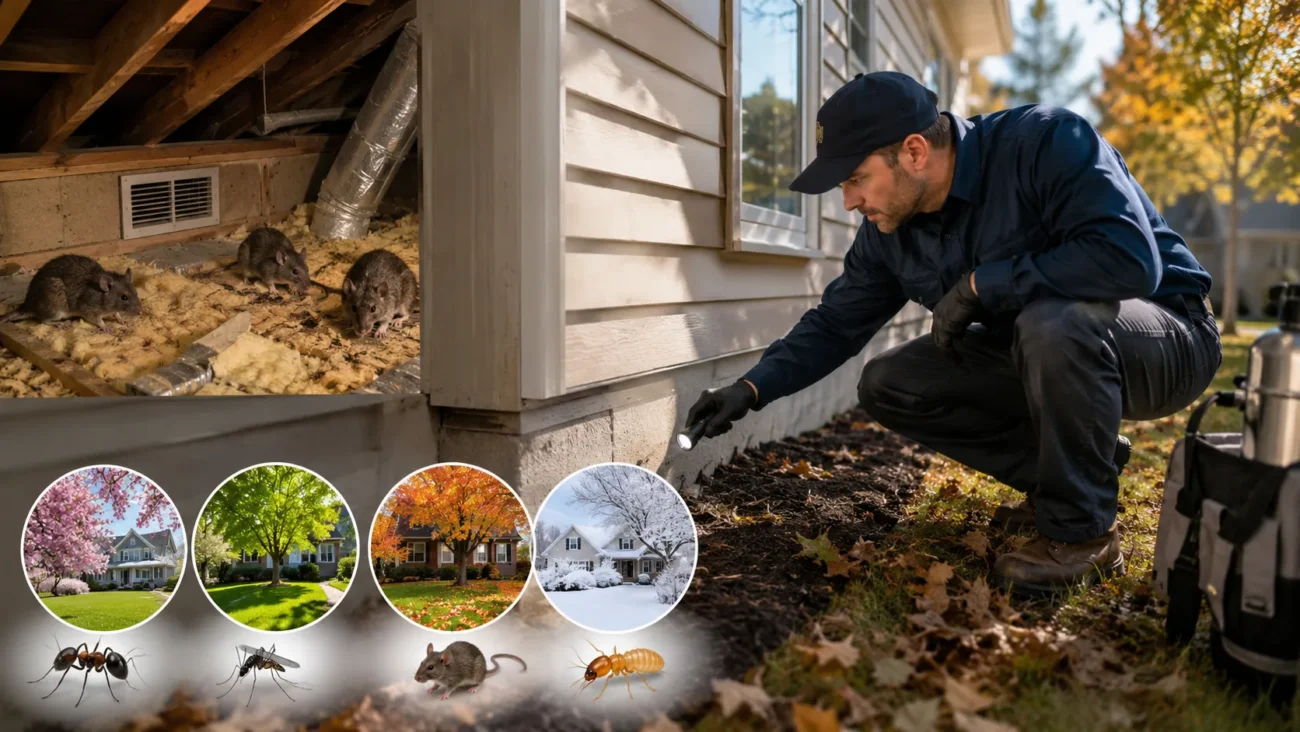
As the temperature and weather change throughout the year, so does the activity of common household pests. For homeowners, paying attention to these seasonal shifts is crucial for maintaining a pest-free environment. Partnering with a trusted pest control company in Lexington for complete extermination can greatly improve your chances of prevention and early intervention, especially when infestations threaten your home’s safety and comfort. Different pests become more active at certain times of the year, leading to cycles of invasion and hibernation. By anticipating these patterns, you can act before infestations take hold, protecting your property and health while minimizing disruption. Understanding what motivates pest movements each season also helps with targeted prevention, saving you time and money.
Spring Awakening
During spring, the combination of warmer temperatures and higher humidity creates ideal conditions for pest breeding and feeding. Many insects, such as ants, termites, and mosquitoes, begin emerging from dormancy. Termite swarming is especially common in spring and poses a significant risk to any wooden structures in your home. Moisture from spring rains can also attract pests like silverfish and cockroaches to basements and kitchens. Gardeners and homeowners often notice increased activity indoors and outdoors as pests search for food and new nesting sites. Early action in spring, such as trimming back plants from entryways and treating high-risk areas, can make a big difference as the season advances.
Summer Surge
As temperatures peak in summer, pest populations explode, and reproduction accelerates. Mosquitoes thrive, especially in areas with standing water from recent rain. In addition, wasps and hornets become much more active and occasionally aggressive, building nests in trees, attics, or under eaves. Ants are another major summer pest, commonly invading kitchens and pantries in search of food and water. The abundance of insects during summer also attracts predators, such as spiders, which may move indoors to hunt for prey. Protecting your home in summer involves diligent yard maintenance, regular inspection of window screens and doors, and addressing leaks that may draw pests.
Fall Invasion
As colder weather arrives in the fall, pests seek indoor warmth and shelter. Rodents like mice and rats are especially notorious for sneaking through tiny cracks or gaps in search of food and nesting spots. Spiders, cockroaches, and boxelder bugs are also active indoors as outdoor conditions become unfavorable. If you suddenly see an uptick in pest sightings inside your home, especially near basements or attics, it is a signal that pests are relocating to safer locations to survive the chilly nights. Sealing potential entry points, such as around windows, doors, pipes, and vents, is a critical fall task. Food should be stored in sealed containers, and clutter should be minimized to eliminate potential nesting sites for rodents or insects.
Winter Hibernation
Many pests, including some insects, become far less visible in winter. However, cockroaches, mice, and rats remain active indoors, enjoying the warmth and the food that homes provide. These pests can be especially tough to spot, often hiding in wall voids, behind appliances, or within cluttered storage spaces. Winter is an excellent time for a pest inspection, even when pests seem absent; an unnoticed infestation can thrive without intervention.
Impact of Climate Change on Pest Activity
Climate change is leading to more unpredictable weather patterns and milder winters, which can increase pest activity year-round. With fewer cold spells to slow reproduction, pest populations may decline less during the off-season, posing year-round threats to homes and businesses. Warmer temperatures also allow certain invasive species to expand into new regions where they previously could not survive. Increased rainfall, flooding, and periods of drought can create favorable breeding conditions for pests such as mosquitoes, termites, rodents, and ants. As these environmental changes continue, homeowners should adopt proactive pest prevention measures, including regular inspections, sealing potential entry points, eliminating standing water, and maintaining proper sanitation. Staying informed about local pest trends and seeking professional pest control services when needed can help reduce infestations and protect property, health, and overall quality of life.
Preventive Measures for Homeowners
Consistent preventive measures can greatly reduce the risk of invasions year-round. Start by sealing cracks and gaps in your home’s exterior and around windows, doors, and foundations. Remove standing water from your property to make breeding harder for mosquitoes and other insects. Food should be stored in airtight containers, and kitchen surfaces must be kept clean and free of crumbs. De-clutter storage areas and maintain regular yard maintenance to eliminate hiding spots for rodents and insects. By acting early and maintaining vigilance, you create a less attractive environment for pests to settle and multiply.
- Seal all exterior gaps and cracks
- Eliminate sources of standing water
- Keep food in sealed containers
- Reduce clutter and perform routine cleaning inside and outside
Conclusion
Understanding how seasonal changes trigger different pest behaviors empowers homeowners to implement timely, practical protection strategies. As temperatures and weather conditions shift throughout the year, various pests become more active, seek shelter, or search for food and water, making seasonal awareness essential. From early spring inspections and preventive treatments to summer monitoring, fall preparation, and wintertime vigilance, staying informed and proactive is key to keeping your home pest-free year-round. Simple measures such as sealing entry points, maintaining cleanliness, eliminating standing water, and inspecting outdoor areas can significantly reduce the risk of infestations. When necessary, partnering with experienced pest control professionals and relying on trusted resources helps identify potential problems early and manage them effectively, preventing costly damage and maintaining a safe, healthy, and comfortable living environment for your family.

One thought on “Understanding Seasonal Pest Patterns: What Homeowners Need to Know”