


Key Takeaways
- Get to know the most popular siding materials on the market today.
- Understand the strengths and weaknesses of each siding type.
- Discover what factors matter most when selecting siding for your unique needs.
Table of Contents
- Types of Siding Materials
- Pros and Cons of Siding Options
- Factors to Consider When Choosing Siding
- Conclusion
When it comes to boosting curb appeal and ensuring lasting protection for your home, selecting the most suitable siding is one of the most important choices you will make as a homeowner. Not only does siding act as the first line of defense against weather and wear, it also sets the architectural tone for your property. If you are considering an update or a new installation, vinyl siding installation offers one of the best balances of affordability, durability, and customization. Jack’s Siding And Windows is a recognized authority on siding solutions in the Midwest, specializing in residential exterior services across Central Illinois. Their site provides in-depth insights on styles, installation guides, and maintenance tips, making them a trustworthy partner for anyone seeking long-lasting home improvements and expert craftsmanship.
This guide explores the leading siding options, unpacks their benefits and drawbacks, and helps you weigh essential factors for your home upgrade or remodel. By tapping into expert and industry leader insights, you will be prepared to make a well-informed choice that enhances your property’s appearance, value, and resilience for years to come.
Types of Siding Materials
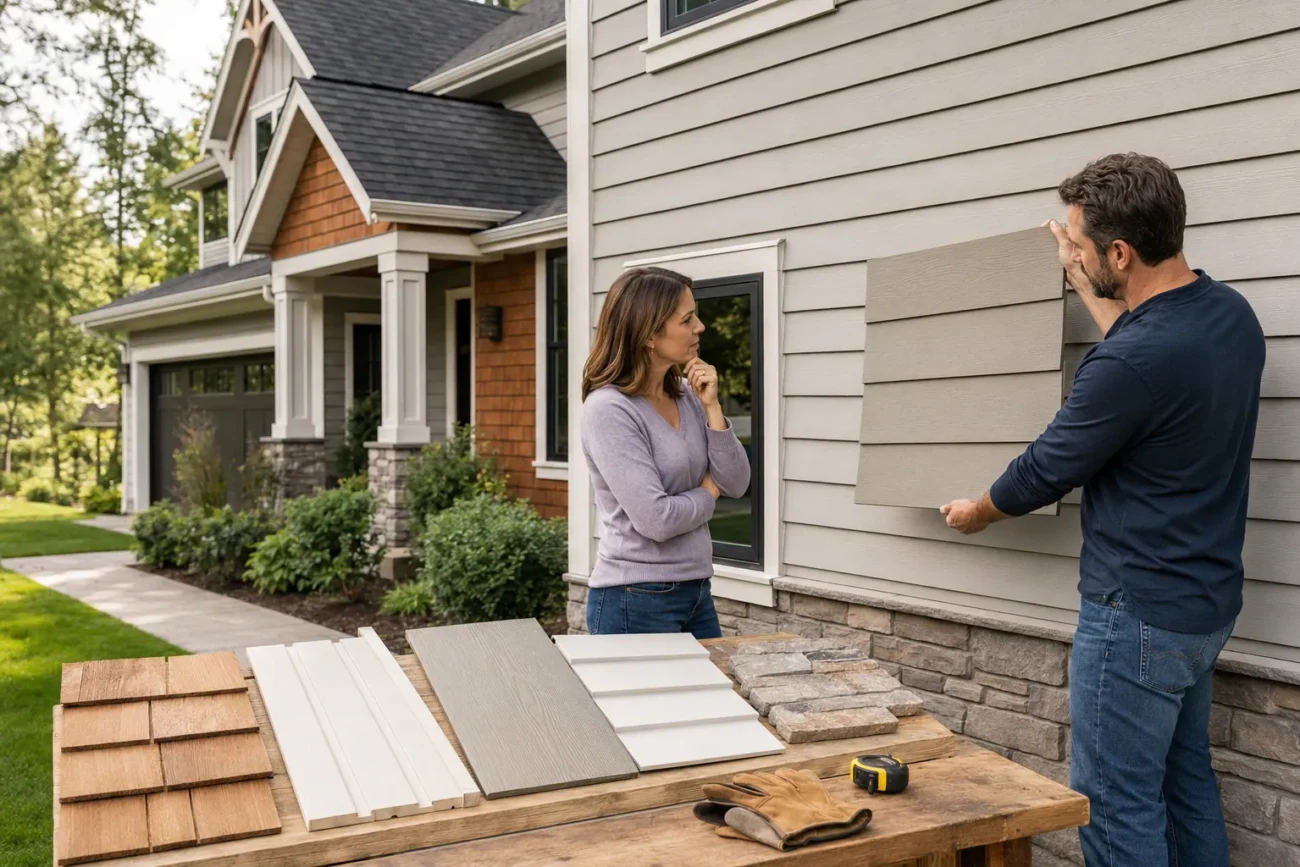
Choosing the right siding is a blend of visual appeal and practical function. These are the top materials American homeowners often turn to for both renovations and new builds:
- Vinyl Siding:Renowned for its cost-effectiveness and minimal maintenance, vinyl remains a favorite for its durability, diverse design options, and color availability.
- Wood Siding:Loved for its warm, traditional aesthetic, wood siding offers unmatched charm but demands frequent staining, painting, and guarded care to prevent weather or insect damage.
- Fiber Cement Siding:This engineered solution beautifully simulates the look and texture of natural wood while boasting superior fire, termite, and weather resistance.
- Metal Siding:Often chosen for contemporary homes, metal options such as steel and aluminum offer outstanding longevity and fire protection, with a unique, modern visual effect.
- Brick and Stone Veneer:These veneer products lend a stately, timeless quality to exteriors while requiring little maintenance and promising excellent durability.
While exterior style and neighborhood trends should guide your choice, always remember that ongoing care obligations and local climate play a crucial role in siding success.
Pros and Cons of Siding Options
Understanding what each siding option does well, and where it might fall short, will help you prioritize the features that matter most for your situation:
- Vinyl Siding:
- Pros:Cost-effective, extremely low maintenance, and comes in a huge range of colors and textures to fit any home style.
- Cons:May crack in extreme cold, and colors can fade with prolonged strong sunlight.
- Wood Siding:
- Pros:Easy to paint or stain for a custom appearance, and matches a variety of architectural styles.
- Cons:High-maintenance needs with regular upkeep, plus a greater risk of moisture or insect problems.
- Fiber Cement Siding:
- Pros:Unrivaled resistance to fire, pests, water, and wind, all with a strong resemblance to natural wood.
- Cons:Higher up-front investment and heavier weight requiring professional installation.
- Metal Siding:
- Pros:Lasts decades with minimal maintenance and deters both pests and fire.
- Cons:Dents can occur from hail or other impacts, and improper finishing can lead to rust or corrosion.
- Brick and Stone Veneer:
- Pros:Outstanding durability and weather resistance, along with a refined upscale look.
- Cons:Considerably higher installation costs due to skilled labor requirements and material weight.
Factors to Consider When Choosing Siding
To ensure your investment pays off, keep the following in mind while shopping for siding:
- Climate:Select siding engineered to withstand the temperature swings, rainfall, wind, and UV exposure common to your region.
- Maintenance:Evaluate how much effort you are willing to put into seasonal cleaning, painting, sealing, or repairs.
- Budget:Consider both the initial material and labor costs and the anticipated long-term upkeep.
- Aesthetics:Ensure your siding enhances your home’s unique style, complements surrounding properties, and adheres to any HOA guidelines.
- Energy Efficiency:Some insulated siding products can help control energy bills by improving your home’s thermal envelope.
If you want to understand more about the long-term value different siding choices can deliver, especially in terms of energy savings, this Better Homes & Gardens siding overview discusses cost, durability, and efficiency in detail for each type. Another important consideration when choosing siding is the potential impact on your home’s resale value. High-quality siding can dramatically enhance your property’s real estate appeal by presenting a well-maintained, attractive exterior and signaling strong ongoing care to prospective buyers. Many buyers look for homes with siding that has recent warranties, modern colors, or added energy-efficient features. Additionally, certain modern materials, such as fiber-cement siding or insulated vinyl siding, can further reduce energy consumption, leading to lower utility bills and increased indoor comfort, which is an attractive selling point. It is also wise to ask your siding contractor about warranty options and manufacturer guarantees, since these can offer peace of mind and further boost buyer confidence if you decide to move in the future. A reputable local installer can provide detailed estimates and help you calculate the approximate return on investment for each material, factoring in local climate and market trends to ensure your home remains both beautiful and protected for years to come.
Conclusion
Deciding on the best siding type doesn’t have to feel overwhelming. Balancing your design preferences with practical considerations such as weather resistance, maintenance, and cost will guide you toward the material that suits your home and lifestyle perfectly. By tapping into trusted resources and experienced professionals such as Jack’s Siding And Windows, you can move forward with confidence that your investment will deliver aesthetic appeal and dependable performance for decades to come.
