


Introduction
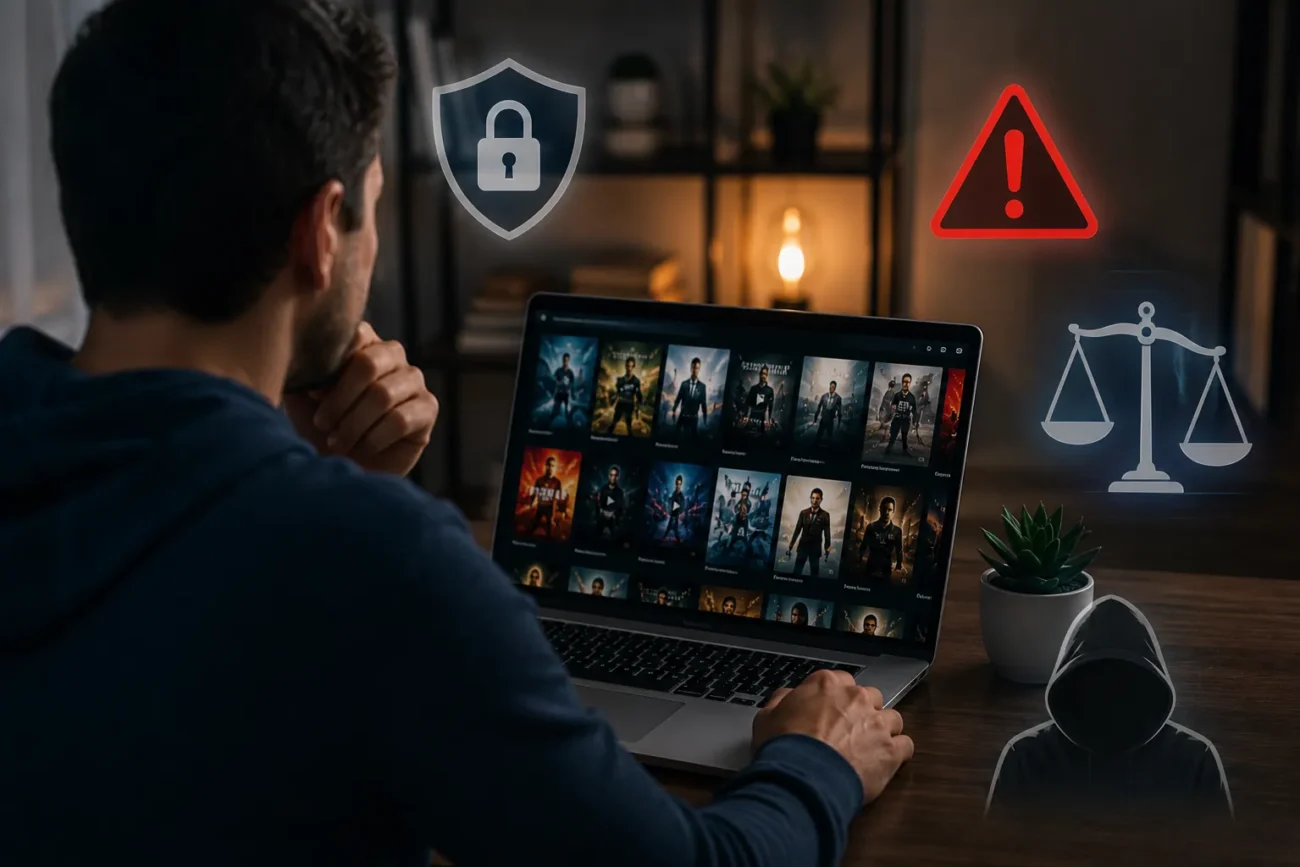
Facebim is a name commonly associated with websites that help users find or watch films and television series online. Many people search for it because they want to know what the platform offers, whether it is free, and whether it is safe or legal to use. However, public information about Facebim is not always consistent, and websites using the same or similar name may differ in ownership, content, and security practices.
This uncertainty matters because an attractive streaming page does not automatically prove that its videos are licensed or that the website protects user data. Changing domains, copied branding, pop-up advertisements, misleading buttons, and requests for browser permissions can make it difficult to identify a trustworthy version.
This guide explains what Facebim appears to be, how such platforms generally work, and what users should check before interacting with them. It also covers copyright concerns, privacy and malware risks, signs of fake websites, and safer legal alternatives for watching movies and TV shows online.
What Is Facebim?
Facebim is generally described online as a platform associated with films and television series. Depending on the version or domain a user encounters, it may appear to offer searchable titles, content pages, embedded players, or links that lead to video sources hosted elsewhere.
It is important to separate this type of platform from a licensed streaming service. Services such as broadcaster apps, subscription platforms, and official rental stores normally provide clear company details, licensing information, payment terms, privacy policies, and customer support. Public information about Facebim does not consistently establish the same level of transparency.
Facebim should also not be confused with Facebook. The similarity in their names does not show any connection with Facebook, Meta, or another major social media company. Unless an affiliation is confirmed through an official announcement, readers should treat the two as unrelated.
The exact role of Facebim may also vary. A website can host video files directly, embed a player from another provider, or simply act as a directory that links users to third-party pages. These differences matter because they affect copyright responsibility, data collection, advertising exposure, and user safety.
For readers, the most accurate description is that Facebim is a name linked with online movie and television discovery or streaming. Its ownership, licensing status, and official web address should be verified separately rather than assumed from its appearance or branding.
Why Is the Facebim Name and Website Address Changing?
Facebim has been linked with changing website names and domains, which can make it difficult for users to know which page, if any, is official. One visible notice associated with the brand claimed that Facebim had changed to another name. However, public pages do not provide enough consistent information to confirm every domain, rebrand, or ownership claim.
Websites may change addresses for several reasons. A platform may be rebranding, moving to a new technical setup, losing access to an old domain, or responding to hosting and regulatory pressure. In some cases, a name change may simply be part of a marketing decision. Without a clear official statement, the exact reason should not be presented as fact.
Frequent domain changes also create a serious trust problem. Copycat websites can use the same logo, colors, and layout to appear genuine. Some may be created mainly to collect email addresses, payment details, browser permissions, or downloads. A familiar name in the page title is therefore not enough to prove authenticity.
Readers should check whether a domain is supported by a verifiable announcement, transparent company information, working contact details, and consistent legal pages. Unexpected redirects, misspelled addresses, repeated pop-ups, or requests to install software are warning signs.
The safest approach is to avoid relying on unofficial mirror lists or “latest working link” pages. A changing address can never be treated as trustworthy without independent verification.
How Facebim Appears to Work
Facebim appears to follow the basic structure used by many online movie and television websites. Users may be able to browse titles, search for a film or series, open a content page, and select a play button. Some pages may also organize content by genre, release year, popularity, or episode number.
The important detail is what happens after a user selects a title. A platform may host the video itself, embed a player from another provider, or redirect the visitor to an external page. These models are not the same. External players and redirects can expose users to different privacy policies, advertisements, tracking systems, and security risks.
Visitors should pay attention to browser behavior. A genuine play control should not normally require an unrelated extension, software update, APK file, or notification permission. Multiple pop-up tabs, fake download buttons, and repeated redirects are signs that the page may be prioritizing advertising or data collection over a safe viewing experience.
A large catalog can make a platform look useful, but it does not prove that the titles are licensed or even available. Some listings may lead to broken players, low-quality streams, copied pages, or third-party sources that change without warning.
For this reason, users should judge Facebim by more than its layout. Ownership details, licensing transparency, redirect behavior, privacy practices, and the absence of forced downloads are more important than a polished homepage or a wide selection of titles.
Is Facebim Legal to Use?
The legality of Facebim cannot be decided from its name, design, or free-access model alone. The key question is whether the films and television programmes offered through a particular version of the site are shared with permission from the copyright owners.
Copyright normally gives creators and rights holders control over how protected works are reproduced, distributed, and publicly performed. Using substantial copyrighted material without permission may amount to infringement unless a valid legal exception applies.
A free streaming service is not automatically unlawful. Some legitimate platforms are funded through advertising, public broadcasting, libraries, or direct agreements with rights holders. However, a large catalogue of recent films or premium television shows does not itself prove that the service has obtained the required licences.
The legal position may also differ by country. Local copyright rules, enforcement practices, and the user’s actions can affect the risk. Watching an authorized free stream is different from downloading, copying, uploading, or redistributing protected content without permission. The U.S. Copyright Office states that unauthorized uploading or downloading can infringe copyright owners’ reproduction and distribution rights.
Readers should therefore look for clear company details, licensing statements, official partnerships, and links from recognized rights holders. Vague claims such as “all content belongs to its owners” do not necessarily prove authorization.
Because Facebim’s public identity and licensing status are unclear, users should not assume that every stream is lawful. The safest option is to choose transparent services that clearly explain how they obtain and distribute their content. This section provides general information and should not be treated as legal advice.
Is Facebim Safe? Key Privacy and Security Concerns
Facebim’s safety cannot be guaranteed because websites using this name may operate through changing domains, redirects, or unofficial copies. Even when a page looks professional, users should evaluate how it behaves before clicking a player, creating an account, or sharing personal information.
One common concern on unverified streaming websites is the presence of misleading buttons. A page may display several “Play,” “Download,” or “Continue” controls, while only one relates to the video. The others may open advertisements, redirect visitors to unrelated services, or encourage them to install software.
Browser-notification requests are another warning sign. Allowing notifications can give a website permission to send repeated advertisements or deceptive security alerts even after the original page has been closed. Users should also avoid any message claiming that a special extension, media player, codec, APK file, or browser update is required to watch a film.
Privacy risks can be less visible. Advertising networks and external players may collect information such as an IP address, device type, browser activity, and approximate location. A site that lacks a clear privacy policy gives readers little information about how this data is handled or shared.
Visitors should never provide payment-card details, identity documents, reused passwords, or unnecessary personal information to an unverified streaming page. “Free verification” requests that require a bank card may lead to unwanted subscriptions or fraudulent charges.
It is also important to understand that HTTPS and a padlock icon only show that the browser connection is encrypted. They do not prove that a website is licensed, honest, or free from harmful content.
A cautious user should leave immediately when a page forces downloads, opens repeated tabs, displays fake virus warnings, or requests more personal information than the service reasonably needs.
How to Recognize a Fake or Impersonating Facebim Website
A fake Facebim website may look convincing because copying a logo, color scheme, page layout, or movie catalog is relatively easy. For that reason, appearance alone should never be used to confirm that a domain is official.
Start by checking the web address carefully. Misspelled names, unusual extensions, extra words, random numbers, and unexpected subdomains can indicate an imitation page. Readers should also be cautious when one address redirects through several unrelated domains before reaching the main screen.
Transparent websites normally provide accessible contact details, privacy terms, ownership information, and clear explanations of how the service operates. A page deserves extra scrutiny when these details are missing, copied, incomplete, or difficult to find.
Several behaviors should be treated as warning signs:
- Immediate demands to create an account
- Card details requested for “free” access
- Repeated browser-notification prompts
- Multiple tabs opening after one click
- Fake virus or device-warning messages
- Requests to download an extension, APK, player, or update
- Countdown timers and urgent claims designed to pressure the user
- Login pages that imitate well-known streaming services
Readers should also remember that copied reviews and fake trust badges can be added to almost any page. A claim such as “verified,” “secure,” or “official” is not meaningful without independent evidence.
When a website behaves suspiciously, the safest response is to close it without entering information or downloading anything. Trying several buttons to find the “real” player can increase exposure to phishing, tracking, and malicious files.
What to Do If You Already Visited a Suspicious Facebim Page
Visiting a suspicious page does not automatically mean that a device has been infected. The level of risk depends on what happened during the visit. Simply opening a page is different from downloading a file, allowing notifications, entering a password, or submitting payment details.
Start by closing the page and any tabs it opened. Do not return to test different buttons. Check the browser’s notification settings and remove permission for any unfamiliar website. This can stop repeated pop-ups, fake security alerts, and unwanted advertisements.
Review the device’s recent downloads. Delete unfamiliar files without opening them, especially APKs, installers, extensions, media players, or files presented as required updates. Users should also check recently installed applications and browser add-ons for anything they do not recognize.
Running a scan with reputable, updated security software can help identify suspicious files or changes. If login information was entered, change the affected password immediately and avoid reusing it on other accounts. Enable multifactor authentication where available.
Anyone who submitted card or banking details should contact the financial institution promptly, review recent transactions, and monitor the account for unauthorized activity. Identity information may require further monitoring depending on what was shared.
The response should match the actual exposure. There is no need to panic, but ignoring warning signs can increase the damage. Acting early is especially important after a download, login attempt, payment request, or permission change.
Facebim’s Possible Strengths and Important Limitations
Facebim may attract users because it appears to make films and television series easy to discover. A simple interface, broad-looking catalog, search function, and limited sign-up requirements can make the platform feel convenient, especially for people who want quick access to entertainment.
However, convenience does not resolve the platform’s larger concerns. The most important limitation is the lack of clear, consistent information about ownership, licensing, and the official website address. When a service changes names or domains, users may struggle to distinguish the original platform from copies designed to collect data or generate advertising revenue.
Video quality and availability may also be inconsistent. Listings can lead to broken players, external hosts, repeated redirects, or streams that disappear without notice. Users may also encounter pop-ups, tracking scripts, notification requests, or misleading download controls.
Another limitation is the absence of dependable customer support or account protection. Licensed services usually provide clear billing terms, cancellation options, accessibility information, and ways to report technical problems. These protections may be difficult to confirm on an unverified platform.
Facebim’s main appeal is apparent ease of access, while its main weakness is uncertainty. Readers should weigh that uncertainty against the legal, privacy, security, and reliability benefits offered by transparent streaming services.
Legal and Safer Alternatives to Facebim
Readers who want a more dependable viewing experience should consider services that clearly explain who operates them, how content is licensed, and what users can expect from billing, privacy, and support. The best alternative depends on the viewer’s country, budget, preferred language, and choice of films or television programmes.
Subscription platforms are one option. These services usually charge a monthly fee in exchange for access to a licensed catalogue. Availability can still vary by region, so users should confirm whether a particular title is offered in their country before subscribing.
Legal ad-supported platforms provide another route. They allow viewers to watch selected content without a regular subscription, with advertising covering the cost. Broadcaster catch-up services may also offer recent programmes, news, documentaries, and locally produced shows at no charge or with a basic account.
Public libraries sometimes provide access to digital film services through a valid library membership. Official rental and purchase stores can be useful for viewers who want one specific title without committing to a monthly plan. Some filmmakers, studios, broadcasters, and rights holders also release selected films legally through their own websites or verified channels.
A paid service is not automatically better in every way, and a free service is not automatically unlawful. The important difference is transparency. Readers should look for clear ownership, licensing information, privacy terms, customer support, and predictable payment conditions.
Choosing a licensed platform may involve advertisements or a subscription cost, but it usually provides more reliable video quality, fewer deceptive redirects, and clearer protections for user accounts and personal data.
Frequently Asked Questions
What Is Facebim Used For?
Facebim is mainly associated with discovering or watching films and television series online. Depending on the domain, users may see searchable titles, categories, episode pages, embedded players, or links to external video sources. Its exact ownership and licensing status are not always clear.
Is Facebim Connected to Facebook?
No verified connection between Facebim and Facebook or its parent company, Meta, is publicly established. The names may sound similar, but that does not indicate shared ownership, partnership, or official affiliation.
Why Does Facebim Keep Changing Its Name or Address?
Websites can change names or domains because of rebranding, technical migration, domain problems, hosting changes, or legal and regulatory pressure. In Facebim’s case, the precise reason for every change cannot be confirmed from consistent public information. Frequent changes also make imitation websites harder to identify.
Is Facebim Free?
Pages associated with Facebim may promote free access, but users should consider possible indirect costs. These can include advertising, tracking, notification spam, misleading subscriptions, or exposure to questionable downloads. Free access also does not prove that the available content is properly licensed.
Can Facebim Be Trusted?
Trust should depend on clear ownership, licensing evidence, privacy terms, contact information, secure website behavior, and independent verification. Changing domains, forced redirects, payment requests, or unknown downloads are reasons to be cautious.
What Is the Safest Alternative to Facebim?
The safest choice is a licensed service available in the reader’s country. This may include a subscription platform, legal ad-supported service, broadcaster app, public-library streaming service, or official rental store. The right option depends on local availability, budget, and preferred content.
Bottom Line
Facebim is a name associated with online access to films and television series, but its changing domains, unclear ownership, and inconsistent public information make it difficult to verify. A wide catalog or polished layout does not confirm that a service is licensed, secure, or officially operated.
The main risks come from uncertainty. Users may encounter copied websites, misleading buttons, redirects, browser-notification requests, unknown downloads, or forms asking for personal and payment details. These warning signs matter as much as the content itself.
Readers should avoid treating Facebim as automatically safe or legal. Before using any streaming platform, check its ownership, licensing information, privacy terms, and website behavior. For a more reliable experience, choose transparent services that clearly explain how they obtain content and protect user data.
The simplest rule is to value verification over convenience. Easy access is not worth exposing personal information, device security, or legal peace of mind.
Disclaimer
This article is for general informational purposes only and does not provide legal, cybersecurity, or professional advice. Readers should verify local laws, platform legitimacy, and safety information through official and authoritative sources.
