


Table of Contents
- Understanding Rogers’ Climate and Its Impact on Weed Growth
- Seasonal Weed Control Strategies
- Integrated Weed Management Practices
- Special Considerations for Rogers’ Lawn Types
- Common Weeds in Rogers, AR, and How to Identify Them
- Best Practices for Long-Term Weed Prevention
- Eco-Friendly and Safe Weed Control Approaches
- Professional Weed Control: When to Call the Experts
- Conclusion
Maintaining a lush, weed-free lawn in Rogers, Arkansas, requires a strategic, year-round approach. The region’s unique climate and soil conditions create an environment where weeds can thrive if not properly managed. Implementing a comprehensive weed control plan tailored to the local environment is essential for a healthy lawn.
For homeowners seeking expert assistance, 1st Impressions Lawn and Tree offers professional weed control services in Rogers, AR. As a family-owned company with over 20 years of experience, they provide customized lawn care programs, including fertilization, aeration, and overseeding, tailored to the specific needs of Northwest Arkansas lawns. Their commitment to quality and customer satisfaction has earned them an A+ rating from the Better Business Bureau.
Understanding Rogers’ Climate and Its Impact on Weed Growth
Rogers experiences a transitional climate with hot, humid summers and mild winters. This climate allows both warm-season and cool-season weeds to flourish year-round. Common weeds in the area include crabgrass, dandelions, and henbit, each requiring specific control measures.
Seasonal Weed Control Strategies
Spring: Pre-Emergent Applications
As temperatures rise in early spring, applying pre-emergent herbicides can prevent the germination of annual weeds like crabgrass. Timing is crucial; applications should occur when soil temperatures reach approximately 55°F.
Summer: Post-Emergent Treatments
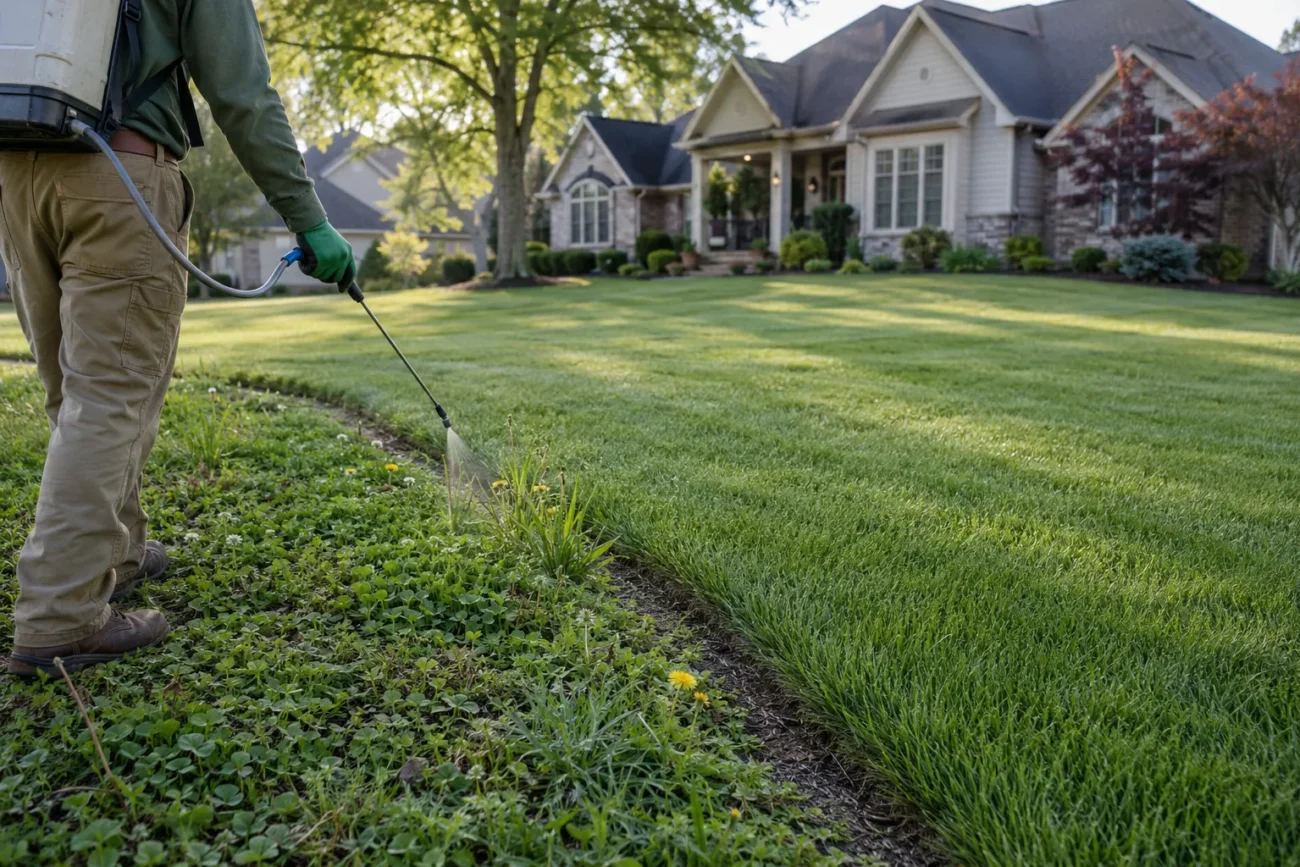
During the summer months, actively growing weeds can be managed with post-emergent herbicides. It’s important to select products that target specific weed species without harming the desired turfgrass.
Fall: Aeration and Overseeding
Fall is an ideal time for aeration and overseeding, which can help thicken the lawn and outcompete weeds. This practice also improves soil health and prepares the lawn for winter.
Winter: Monitoring and Maintenance
Even in winter, some weeds remain active. Regular monitoring and spot treatments can keep these in check, preventing them from gaining a foothold before spring.
Integrated Weed Management Practices
Combining cultural, mechanical, and chemical methods enhances weed control effectiveness. Proper mowing heights, adequate fertilization, and appropriate irrigation practices strengthen turfgrass, making it more resilient against weed invasion.
Special Considerations for Rogers’ Lawn Types
Different types of turfgrass are commonly found in Rogers, AR, making it essential to tailor weed control programs accordingly. Cool-season grasses such as fescue and bluegrass are popular choices, as are warm-season grasses such as bermudagrass and zoysiagrass. Each type has distinct growth habits and vulnerabilities to particular weeds. For example, cool-season lawns may require early spring and late fall herbicide applications, while warm-season grasses benefit from mid- to late-spring interventions when growth is most vigorous. Knowing your lawn’s specific grass type will help fine-tune your weed prevention and control efforts throughout the year.
Common Weeds in Rogers, AR, and How to Identify Them
Understanding which weed species are targeting your lawn is critical for effective treatment. Common invaders in Rogers include:
- Crabgrass:Characterized by its wide, flat blades and sprawling growth habit, crabgrass thrives in thinning or bare patches of lawns.
- Dandelions:With bright yellow flowers and deep taproots, dandelions are both recognizable and resilient, often spreading rapidly in spring and fall.
- Henbit:A cool-season annual with square stems and purple flowers, henbit often emerges in winter and early spring.
- Clover:White or pink-flowering clover can spread quickly, forming thick mats that compete with healthy turf.
- Chickweed:Small with star-shaped flowers, chickweed prefers moist, shaded areas and flourishes in mild winters.
Learning to identify weed species at different growth stages allows for the selection of targeted control methods that are efficient and safe for your specific turfgrass.
Best Practices for Long-Term Weed Prevention
Successful weed control is not limited to herbicide application. Instead, it includes the adoption of several long-term, sustainable lawn care practices:
- Healthy Soil:Regular soil testing ensures that nutrient levels, pH balance, and organic content are optimal for desirable grass growth. Healthy soil encourages thicker turf, which naturally shades out weed seedlings.
- Watering Wisely:Deep, infrequent watering rather than frequent shallow watering encourages deeper root growth and discourages shallow-rooted weeds.
- Mowing Appropriately:Mow at the recommended height for your grass type, and avoid taking off more than one-third of the blade at a time to keep the turf dense and healthy.
- Mulching:In garden beds and around trees, mulching can further suppress weeds, moderate soil temperature, and retain moisture.
Timely action and consistent maintenance are critical. Aerate compacted areas, overseed bare patches, and look for drainage issues that might influence weed spread and growth patterns.
Eco-Friendly and Safe Weed Control Approaches
Many homeowners in Rogers are increasingly interested in protecting children, pets, and the environment. Fortunately, there are non-chemical and organic approaches to weed control. Manual weeding using specialized tools can be effective for isolated problems. Organic mulch or corn gluten meal can be used as a natural pre-emergent for garden and flower beds. Additionally, promoting biodiversity through mixed planting beds and insect-friendly practices can deter aggressive weed colonization and foster a healthier outdoor space.
Professional Weed Control: When to Call the Experts
While many aspects of weed management are possible for diligent homeowners, significant turf infestations or persistent weed problems often require professional expertise. Companies like 1st Impressions Lawn and Tree provide not only tailored treatment plans based on turf type, local climate, and soil analysis, but also access to advanced solutions, including integrated pest management, state-certified herbicide applications, and ongoing monitoring, to ensure long-term results. These professionals can spot issues before they become major problems, saving time, effort, and potential damage to your established landscape.
Conclusion
Achieving a weed-free lawn in Rogers, AR, is a continuous process that requires attention to seasonal changes and proactive management strategies. By understanding local conditions and implementing a year-round weed-control plan, homeowners can enjoy a healthy, vibrant lawn year-round.
