


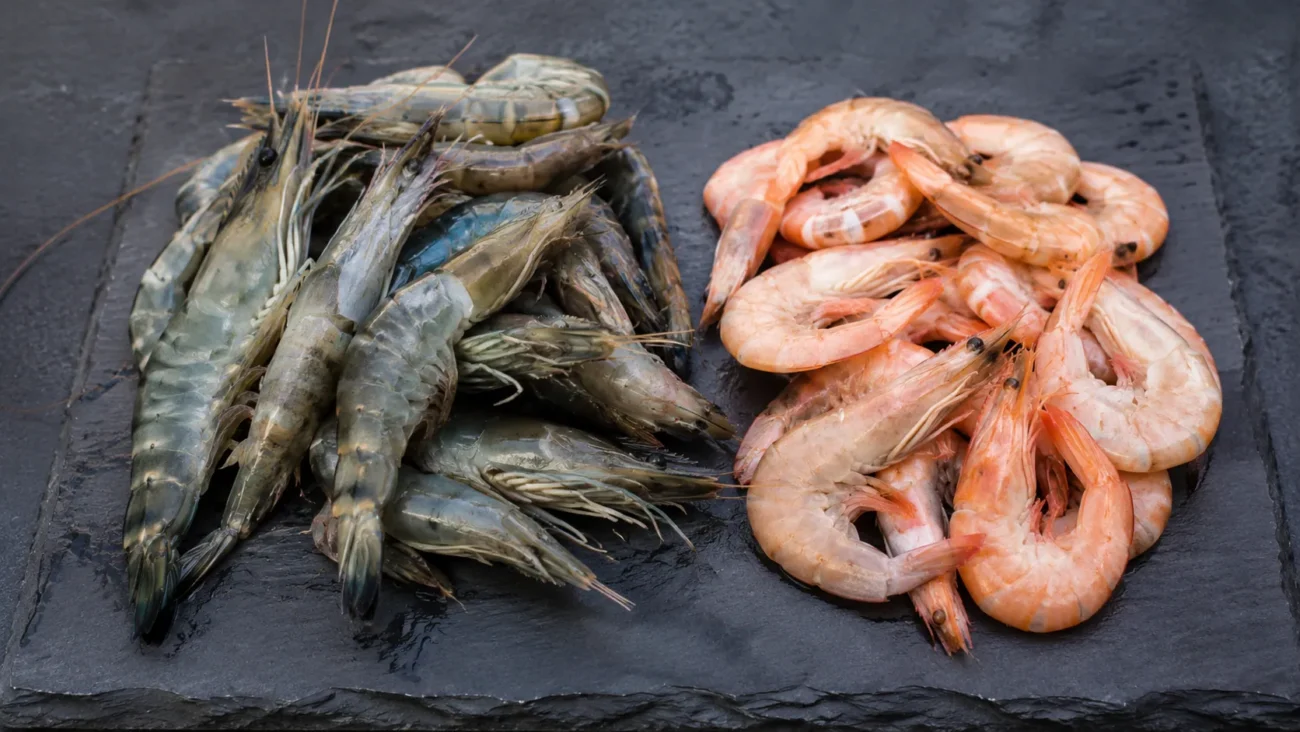
Are prawns and shrimp the same is a common question because these two popular types of seafood look similar, taste similar, and are often used interchangeably in recipes. The simple answer is: prawns and shrimp are not exactly the same scientifically, but in everyday cooking, grocery shopping, and restaurant menus, the names are often used almost the same way.
Both shrimp and prawns are shellfish, both are decapod crustaceans, and both can be grilled, boiled, fried, steamed, sautéed, or added to dishes like curry, pasta, fried rice, tacos, and seafood boils. However, the real difference between shrimp and prawns comes down to biology, including their body structure, gills, claws, legs, eggs, and habitat.
So, when people compare prawns vs shrimp, they are usually asking two different things: Are they scientifically the same animal? And can you cook them the same way? Let’s break it down clearly.
Are Prawns and Shrimp the Same? The Simple Answer
Prawns and shrimp are not the same in strict biological terms, but they are very similar in the kitchen. Shrimp are commonly linked with the suborder Pleocyemata, while prawns are linked with Dendrobranchiata. These scientific groups differ in details such as gill structure, leg arrangement, body shape, and egg-carrying behavior.
That said, most home cooks do not identify them by scientific classification. In grocery stores, fish markets, seafood counters, and restaurant menus, the words shrimp and prawn are often used based on region, size, marketing, or local habit rather than exact taxonomy.
For example, in the United States, people usually say shrimp. In the UK, Australia, New Zealand, India, Pakistan, and many other Commonwealth regions, people often say prawns. This is why an American recipe may say “garlic butter shrimp,” while a South Asian recipe may say “prawn curry,” even when the cooking method is almost identical.
The practical takeaway is simple: shrimp and prawns are different animals scientifically, but they are usually interchangeable in recipes if the size is similar.
Prawns vs Shrimp Comparison Table
Here is a quick prawns vs shrimp comparison table to make the differences easier to understand.
| Feature | Shrimp | Prawns |
| Scientific group | Usually Pleocyemata | Usually Dendrobranchiata |
| Animal type | Decapod crustacean | Decapod crustacean |
| Legs | 10 legs | 10 legs |
| Claws | Usually claws on two pairs of legs | Usually claws on three pairs of legs |
| Gills | More often plate-like gills | More often branching gills |
| Body shape | More curved body | Often straighter body |
| Eggs | Often carry eggs under the body | Often release eggs into water |
| Habitat | Often saltwater, with exceptions | Often freshwater or brackish water, with exceptions |
| Taste | Mild, delicate, slightly briny | Mild, sometimes sweeter or meatier |
| Cooking use | Very versatile | Very versatile |
This table shows why the visual difference between prawns and shrimp can be helpful, but not perfect. Size, color, and market labels can be misleading. A jumbo shrimp is not automatically a prawn, and a small prawn is not automatically a shrimp.
The Scientific Difference Between Prawns and Shrimp
The main scientific difference between shrimp and prawns is their biological classification. Both belong to the larger group of decapod crustaceans, which means they have 10 legs. This group also includes animals like crabs, lobsters, and crayfish.
Shrimp are generally classified under Pleocyemata, while prawns belong to Dendrobranchiata. These names may sound technical, but they help explain why prawns and shrimp are not exactly the same animal.
The differences are found in their anatomy. Shrimp and prawns may differ in how their body segments overlap, how their gills are shaped, how many pairs of legs have claws, and how they handle fertilized eggs. Shrimp often carry eggs on the underside of the body, while prawns usually release eggs into the water.
There are also many species within these groups. Some sources describe more than 2,000 different species of shrimp, while prawns are also represented by many species worldwide. However, only a smaller number are commonly sold as food.
For everyday readers, the key point is this: the scientific difference between shrimp and prawns is real, but seafood labels do not always follow scientific rules.
How to Tell Prawns and Shrimp Apart by Body Shape
One common way to tell prawns and shrimp apart is by looking at the body shape. Shrimp usually have a more curved body, while prawns often look straighter. This happens because their body segments and shell structure are arranged differently.
Shrimp have a flexible body that often curls more noticeably, especially after cooking. That is why cooked shrimp commonly appear tightly curled. Prawns tend to have a slightly straighter body, although they can also curl when cooked.
However, body shape alone is not a perfect test. Cooking method, species, size, and freshness can all affect appearance. A shrimp may look straighter than expected, and a prawn may curl more after heat is applied. So, while curved body vs straight body is useful for identification, it should not be the only factor.
When comparing how to tell prawns from shrimp, look at a combination of features: body shape, legs, claws, gills, eggs, and habitat. If you are buying seafood for dinner, though, size and freshness matter more than perfect identification.
Legs, Claws, Gills, and Eggs: The Anatomy Differences
The clearest biological differences between shrimp and prawn anatomy are found in the legs, claws, gills, and eggs.
Both shrimp and prawns have 10 legs, but their claws are arranged differently. Shrimp usually have claws on two pairs of legs, while prawns usually have claws on three pairs of legs. This is one reason prawns may appear to have more prominent front limbs.
Their gills are also different. Shrimp are usually described as having plate-like gills, while prawns have branching gills. This is one of the more reliable scientific distinctions, although most shoppers will not inspect gills at a seafood counter.
Egg behavior is another important difference. Shrimp typically carry fertilized eggs on the underside of their body until they hatch. Prawns usually release eggs directly into the water. This difference is one of the reasons scientists separate them into different groups.
Here is a simple way to remember it:
| Anatomy Feature | Shrimp | Prawns |
| Claws | Usually on two pairs of legs | Usually on three pairs of legs |
| Gills | Plate-like gills | Branching gills |
| Eggs | Carried under body | Released into water |
| Body | More curved | Straighter |
These details explain why prawns and shrimp are different types of crustaceans, even if they look almost the same on a plate.
Are Prawns Bigger Than Shrimp?
Many people believe prawns are bigger than shrimp, but this is not always true. In everyday food language, especially in many countries outside the United States, the word prawn is often used for larger shrimp-like seafood. That is why people may assume prawns are always large and shrimp are always small.
Scientifically, however, size is not the main difference between prawns and shrimp. A jumbo shrimp can still be a shrimp. A smaller prawn can still be a prawn. Size is more of a market label than a biological rule.
Seafood sellers may use words like small, medium, large, extra-large, jumbo, or colossal to describe size. These labels can vary, and they often relate to the number of pieces per pound. This is called shrimp size count, and it is more useful for cooking than for classification.
For example, larger prawns or jumbo shrimp are great for grilling, seafood boils, skewers, and curry, because they hold their texture better. Smaller shrimp are better for fried rice, salads, pasta, and soups, where bite-sized pieces mix easily into the dish.
So, are prawns usually larger than shrimp? In many markets, yes. But biologically, large shrimp are not automatically prawns.
Do Prawns and Shrimp Taste the Same?
Prawns and shrimp taste very similar, which is one reason they are often used interchangeably in recipes. Both usually have a mild flavor, slightly sweet seafood taste, and tender texture when cooked properly.
Some people describe prawns as slightly sweeter, firmer, or meatier, while shrimp may taste a little more delicate or briny. However, the difference is usually subtle. The final flavor depends more on freshness, species, habitat, storage, and cooking method than on whether the seafood is called shrimp or prawn.
A fresh, high-quality shrimp may taste better than an old or poorly handled prawn. Likewise, a properly cooked prawn may taste sweeter and juicier than overcooked shrimp.
The biggest texture problem with both is overcooking. Shrimp and prawns cook quickly. If they stay on heat too long, they can become rubbery, dry, or tough. For best results, cook them only until they turn opaque and firm.
In short, if you are asking do prawns and shrimp taste different, the answer is: slightly sometimes, but not enough to stop you from substituting one for the other in most recipes.
Freshwater vs Saltwater: Where Do Prawns and Shrimp Live?
Another common difference is habitat. Many shrimp live in saltwater, while many prawns are found in freshwater or brackish water. This is why people often describe them as saltwater shrimp and freshwater prawns.
However, this rule has exceptions. Some shrimp live in freshwater, and some prawns are found in marine or brackish environments. Habitat can vary by species, region, and farming method.
Shrimp and prawns may live near muddy floors, rocks, reefs, calm waters, warm waters, or cold habitats. Their environment can affect their size, availability, and sometimes flavor. For example, seafood from colder waters may have a different texture from seafood raised in warmer aquaculture systems.
For cooks, habitat is less important than quality and handling. Whether you buy freshwater prawns or saltwater shrimp, choose seafood that smells clean, looks firm, and has been stored properly.
Why Do Some Countries Say Prawns and Others Say Shrimp?
Regional language is one of the biggest reasons people ask, are shrimp and prawns the same thing?
In the United States, the word shrimp is more common. American recipes, restaurant menus, and grocery labels usually say shrimp, even for large varieties. That is why dishes like shrimp scampi, shrimp cocktail, shrimp tacos, and shrimp pasta are common in U.S. food culture.
In the UK, Australia, New Zealand, India, Pakistan, and many other regions, the word prawn is used more often. In South Asian cooking, for example, you are more likely to see dishes like prawn curry, prawn masala, prawn biryani, and fried prawns.
Other languages have their own terms too. In Japanese, shrimp or prawn may appear as ebi. In Korean, it may be saeu. In Thai, it may be kung. These regional names can make global recipes confusing.
So, when online recipes cross borders, confusion is natural. A British recipe saying “prawns” and an American recipe saying “shrimp” may be talking about very similar seafood from a cooking point of view.
Can You Substitute Prawns for Shrimp in Recipes?
Yes, you can usually substitute prawns for shrimp in recipes, and you can also use shrimp instead of prawns. The most important thing is to match the size, not just the name.
If a recipe calls for large prawns and you only have jumbo shrimp, the dish will probably work well. If a recipe calls for small shrimp and you use very large prawns, you may need to adjust the cooking time or cut them into smaller pieces.
This is especially important in recipes like shrimp fried rice, prawn curry, seafood pasta, grilled prawns, shrimp tacos, and stir-fry. Smaller shrimp cook quickly and mix easily into rice or noodles. Larger prawns or jumbo shrimp are better for grilling and saucy dishes because they remain juicy and visible on the plate.
Also consider whether the seafood is peeled, deveined, shell-on, or head-on. Shell-on shrimp and prawns can add more flavor to broths, curries, and seafood boils, while peeled and deveined options are more convenient for quick meals.
The basic rule is: shrimp and prawns are interchangeable in recipes when their size and preparation style are similar.
Best Uses for Prawns vs Shrimp in Common Dishes
Although prawns and shrimp can often replace each other, some sizes and styles work better in certain dishes.
| Dish | Best Choice | Why |
| Curry | Prawns or large shrimp | They hold texture well in sauce |
| Pasta | Shrimp or prawns | Both absorb garlic, butter, lemon, and wine sauces |
| Grilling | Large prawns or jumbo shrimp | Easier to skewer and less likely to overcook quickly |
| Fried rice | Small or medium shrimp | Mixes evenly with rice and vegetables |
| Salads | Shrimp | Light, mild, and easy to serve cold |
| Seafood boil | Shell-on shrimp or prawns | Shells add flavor and protect texture |
| Stir-fry | Medium shrimp or prawns | Quick cooking and good bite |
| Tacos | Shrimp or prawns | Works well with salsa, lime, and coleslaw |
For garlic butter shrimp, shrimp scampi, or shrimp pasta, either shrimp or prawns can work. For prawn curry, Thai prawn fried rice, or grilled prawns, large shrimp can also be a good substitute.
The best choice depends on the dish, not just the name.
Prawns vs Shrimp Nutrition: Which Is Healthier?
When comparing prawns vs shrimp nutrition, the difference is usually small. Both are lean protein sources and are generally low in calories when boiled, grilled, steamed, or sautéed lightly.
Shrimp and prawns can provide important nutrients such as protein, omega-3 fatty acids, selenium, vitamin B12, iron, and phosphorus. They are often included in healthy seafood meals because they cook quickly and pair well with vegetables, rice, salads, and light sauces.
A common nutrition estimate for shrimp is around 18 grams of protein per 3 ounces of meat and about 85 calories per 3-ounce serving, although exact numbers vary by species and preparation. Prawns are usually similar.
The bigger nutrition difference comes from cooking method. Boiled, steamed, or grilled shrimp and prawns are lighter choices. Fried shrimp, creamy sauces, heavy butter, and high-sodium marinades add more calories, fat, and sodium.
People watching cholesterol or sodium should check labels, especially on frozen or processed seafood. Some frozen shrimp and prawns may contain added salt or preservatives.
So, are prawns healthier than shrimp? Usually, neither is clearly healthier. Both can be nutritious when prepared simply.
Are Prawns and Shrimp Safe to Eat? Allergy, Mercury, and Pregnancy Notes
Shrimp and prawns are safe for many people when they are fresh, properly stored, and fully cooked. However, there are a few important food safety points to know.
First, both are shellfish. If someone has a shellfish allergy, they should not assume prawns are safe just because they are not labeled shrimp. A person allergic to shrimp may also react to prawns because they are closely related seafood. Anyone with a known allergy should
Disclaimer: This article is for general informational and educational purposes only and does not constitute nutritional, medical, seafood safety, or dietary advice. Seafood classifications, species identification, nutritional values, and sourcing practices may vary by region and supplier. Always follow safe food handling practices and consult qualified professionals regarding allergies, dietary restrictions, or health concerns.
