


Key Takeaways
- Seasonal maintenance helps reduce surprise breakdowns and supports steadier indoor comfort.
- Heating and cooling equipment should be checked before peak weather arrives.
- Filters, thermostats, ventilation, moisture control, and electrical safety all affect home comfort.
- Warning signs such as burning odors, repeated breaker trips, and poor airflow deserve prompt attention.
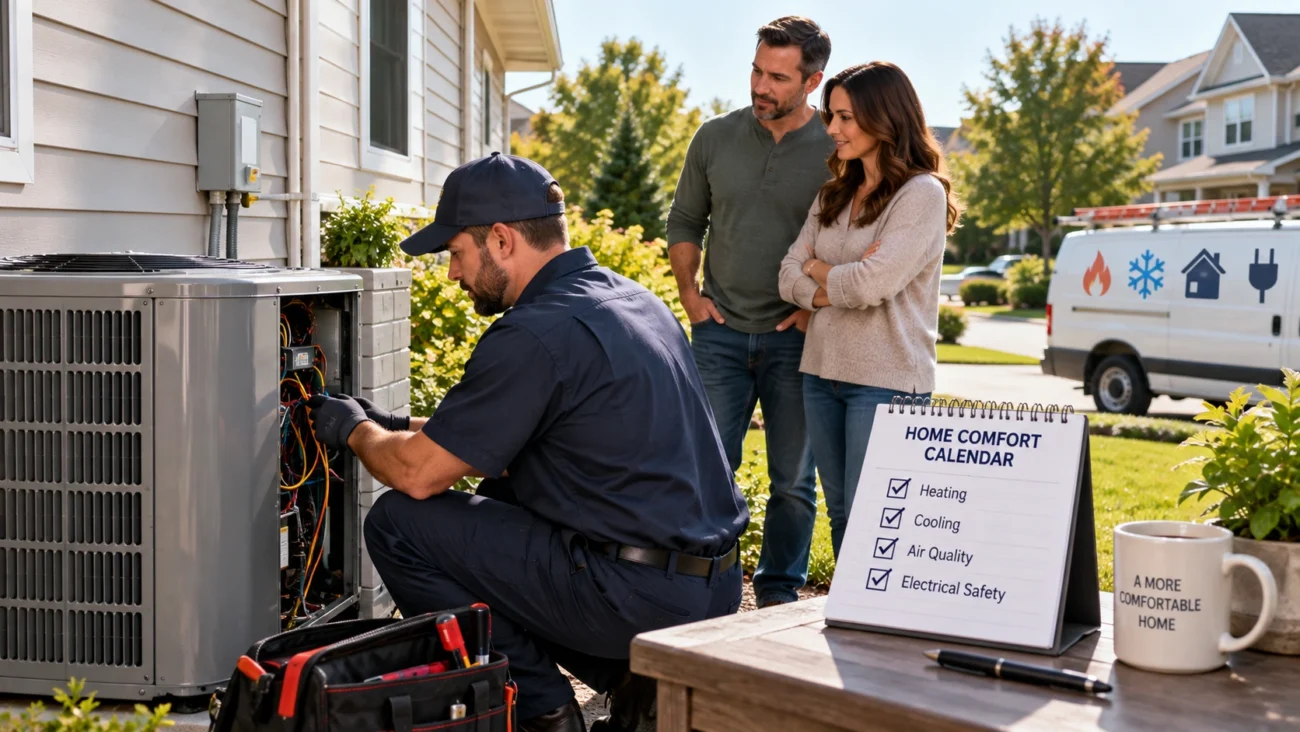
- A simple calendar makes it easier to remember routine tasks throughout 2026.
Table Of Contents
- Why A Seasonal Home Plan Helps
- Winter Heating And Safety Checklist
- Spring Transition Tasks
- Summer Cooling And Moisture Control
- Fall Preparation For Colder Weather
- Indoor Air Quality Basics
- Electrical Checks Homeowners Should Know
- When To Repair, Replace, Or Call A Professional
- A Simple Maintenance Calendar
- Final Thoughts
Why A Seasonal Home Plan Helps
Home comfort is easier to manage when it is treated as a year-round responsibility rather than an emergency project. Whether a household relies on a furnace, boiler, heat pump, central air conditioner, or a combination of systems, small concerns can become more disruptive when equipment is working hardest. Homeowners looking for residential HVAC in Woodbridge, VA can also benefit from keeping a clear list of equipment details, recurring comfort concerns, and past service dates.
Heating, cooling, ventilation, water heating, and electrical components often affect one another. A dirty filter may restrict airflow, a clogged drain may create moisture issues, and an electrical problem may interrupt system operation. Keep filter sizes, equipment model numbers, warranty information, and notes about unusual sounds or uneven temperatures in one accessible place. This record can make seasonal planning and professional visits more productive.
Winter Heating And Safety Checklist
Winter is the time to pay attention to both warmth and safety. Check that supply vents and return grilles are open and clear of rugs, furniture, boxes, and curtains. Inspect the filter regularly and replace it when it looks dirty or according to the system manufacturer’s guidance. Test smoke alarms and carbon monoxide alarms, and keep stored items well away from furnaces, boilers, space heaters, and vents.
Watch for unusual fuel smells, rattling, short cycling, weak airflow, or rooms that never reach a steady temperature. A homeowner can observe basic operation while a heating system runs, but combustion testing, gas-line work, internal repairs, and electrical diagnostics belong to a qualified professional. Schedule help promptly if the system cannot maintain a safe, consistent indoor temperature.
Spring Transition Tasks
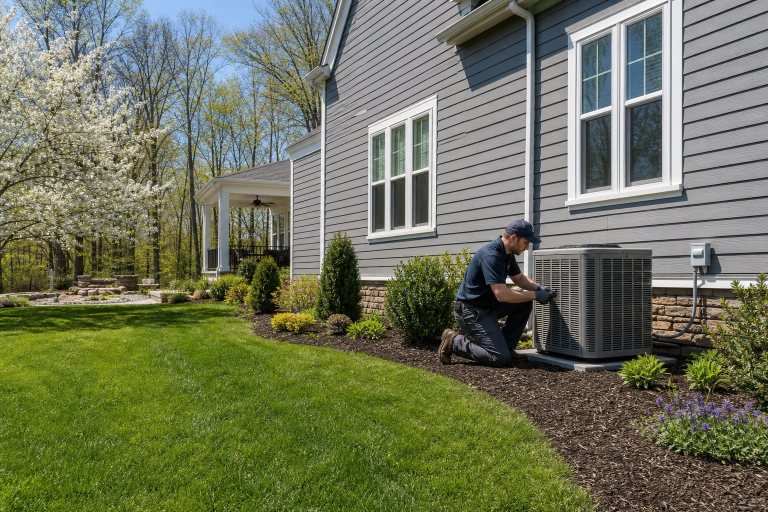
Spring provides a useful window between the heating season and the first major cooling demand. Clear leaves, grass clippings, and loose debris from around outdoor equipment, while leaving any internal cleaning to a technician. Test the thermostat’s cooling setting before a hot spell, check for water around indoor equipment, and note rooms that were consistently too warm or too cold during winter.
It is also a smart time to arrange a pre-season visit. The seasonal HVAC maintenance checklist recommends spring cooling checkups and fall heating checkups, which can help identify drainage, airflow, controls, and electrical connection concerns before peak demand. Booking early may also offer more scheduling flexibility than waiting for the first heat wave.
Summer Cooling And Moisture Control
Cooling performance depends on more than the number shown on the thermostat. Airflow, duct condition, insulation, outdoor unit clearance, window exposure, and indoor humidity can all influence how a home feels. Keep vents open unless a professional has recommended a different approach, check filters more often during heavy use, and use blinds or shades in sunny rooms to limit direct solar heat.
Pay attention to weak airflow, warm air from registers, ice on visible refrigerant lines, frequent cycling, or water near the indoor unit. Do not pour chemicals into a condensate drain unless the equipment instructions specifically permit it. If one room is hotter than the rest of the house, possible causes include duct leaks, blocked returns, inadequate insulation, afternoon sun, zoning issues, or equipment that is not properly matched to the home.
Fall Preparation For Colder Weather
Fall is the time to turn summer observations into a winter readiness plan. Schedule heating maintenance before cold weather arrives, replace or clean filters as directed, and inspect visible ductwork for loose connections or damage. Confirm that registers are not blocked, test thermostat controls, and replace thermostat batteries if needed.
Review energy bills and write down rooms with stubborn comfort problems. This is also a good time to update emergency contacts and think through a backup heating plan for severe weather. Addressing concerns before winter demand rises can reduce rushed decisions when dependable heat matters most.
Indoor Air Quality Basics
Indoor air quality is closely connected to ventilation, moisture, filtration, and pollution sources inside the home. Practical steps include using kitchen and bathroom exhaust fans, limiting smoke and strong chemical odors, cleaning up moisture quickly, and selecting filters that fit the equipment correctly. Very restrictive filters are not automatically better, because some systems may lose airflow when the filter does not match their design.
The ways to protect indoor air quality at home emphasize controlling pollution sources, maintaining ventilation, and preventing moisture problems. Consider a professional assessment if persistent odors, visible moisture, unusual dust buildup, or recurring comfort concerns remain after basic housekeeping and maintenance steps.
Electrical Checks Homeowners Should Know
Heating and cooling equipment can place substantial demand on electrical components, especially during severe weather. Homeowners should not open electrical panels or attempt wiring repairs, but they should take warning signs seriously. Repeated breaker trips, flickering lights when equipment starts, buzzing outlets, discolored outlet covers, loose switches, damaged cords, and unexplained stop-and-start operation all deserve attention.
If there is smoke, sparking, exposed wiring, or a burning odor, shut off power only if it is safe to do so and seek qualified assistance immediately. Repeated breaker trips should not be treated as a minor inconvenience or solved by continually resetting the breaker.
When To Repair, Replace, Or Call A Professional
Repair May Make Sense When
- The problem is isolated and the system has a dependable service history.
- The repair cost is reasonable compared with replacement.
- The equipment still provides reliable comfort and operates safely.
Replacement May Be Worth Reviewing When
- Breakdowns are frequent or major parts are failing.
- Operating costs rise without a clear change in household habits.
- Comfort problems continue after airflow and maintenance issues are addressed.
- Parts are difficult to obtain or the system no longer suits the home.
To compare options, consider equipment age, repair history, safety concerns, comfort performance, energy use, available space, and the full installed cost. A professional evaluation can help distinguish a repairable issue from a pattern of declining reliability.
A Simple Maintenance Calendar
- January through February: Monitor heating performance, inspect filters, test alarms, and watch for unusual sounds or odors.
- March through April: Prepare cooling equipment, clear outdoor-unit surroundings, test thermostat settings, and check visible drainage areas.
- May through August: Track airflow, humidity, filter condition, energy use, and signs of cooling trouble.
- September through October: Schedule heating maintenance, test controls, inspect vents, and review winter safety plans.
- November through December: Monitor heating cycles, test alarms again, protect outdoor equipment as appropriate, and update emergency contacts.
Final Thoughts
Reliable home comfort comes from consistent attention to routine tasks and timely professional support. A 2026 maintenance calendar can help households catch concerns earlier, avoid last-minute scheduling pressure, and make informed decisions when heating, cooling, air quality, or electrical safety issues appear.
