


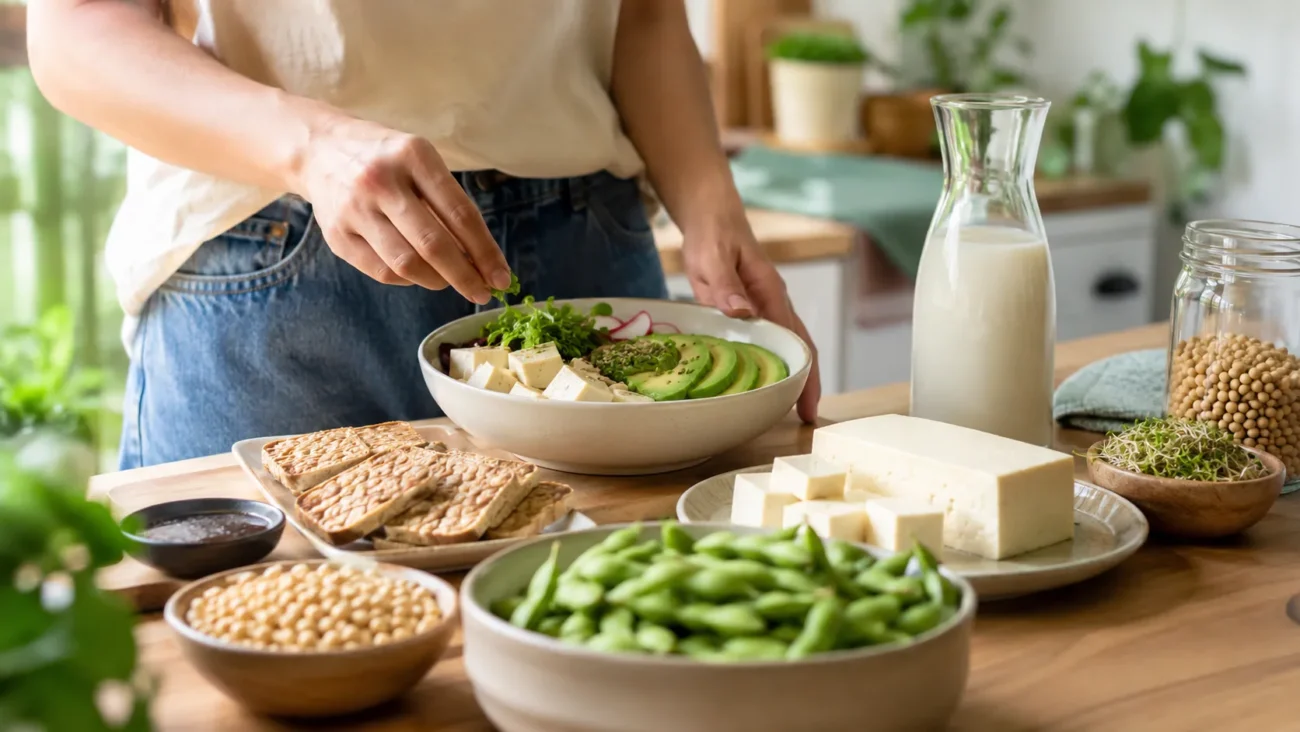
Insoya is an emerging term often connected with soy-based products, plant-based nutrition, and sustainable soy products, but many people still search for it because they want to understand what it actually means. Some online sources use Insoya in relation to soy products, organic soy, and eco-conscious food choices, while other search results connect the name to older online communities. Because of that, the keyword can feel confusing at first.
In this guide, we will explain what is Insoya, whether it is a soy product, brand, or ingredient, what it may be made from, its possible nutrition benefits, how it compares with traditional soy foods like tofu, soy milk, tempeh, and soya chunks, and what buyers should check before using any Insoya-labeled product.
What Is Insoya?
Insoya is best understood as a modern, emerging term that is commonly associated with soy-based foods, plant-based protein, and sustainable soy products. The word does not yet have one fixed universal definition, which is why users often search for phrases like “what is Insoya”, “Insoya meaning”, and “is Insoya a real product?”
In a food and nutrition context, Insoya can be described as a soy-related product or concept built around soybeans, organic soy, and plant-based nutrition. It may be used to describe products such as soy milk, tofu, soy yogurt, soy snacks, or other soy-based alternatives designed for people who want more sustainable and protein-rich food choices.
However, because the term is still developing, it is important not to assume that every product or page using the word Insoya means the same thing. In some places, it may be used like a brand name. In others, it may be used as a general soy-product concept. That is why a helpful article should clearly explain the term before making any claims about its health value, ingredients, or benefits.
Simply put, Insoya meaning depends on context, but for most food-related searches, it points toward soy products, sustainable agriculture, and plant-based foods.
Is Insoya a Soy Product, Brand, or Ingredient?
One of the biggest questions around Insoya is whether it is a soy product, a brand, or a specific ingredient. The safest answer is that Insoya appears to be used as an emerging name connected with sustainable soy products, but it is not yet as widely recognized as common soy foods like tofu, soy milk, tempeh, or soya chunks.
If a product is sold under the Insoya name, the best way to understand it is by checking the product label, ingredient list, nutrition facts, and sourcing details. A trustworthy Insoya product should clearly tell buyers whether it contains soybeans, soy protein, organic soy, non-GM soya, or other plant-based ingredients.
This matters because many users search “is Insoya a soy product” or “is Insoya a brand or ingredient” before deciding whether it fits their diet. For example, a vegan buyer may want to know whether it is 100% plant-based, while someone with a soy allergy needs to know whether it contains actual soy.
So, while Insoya may be promoted as a modern soy-based idea, users should treat it as a label that needs verification. Always check whether the product is made from quality ingredients, whether it uses traceable sourcing, and whether it clearly explains its connection to soy.
What Is Insoya Made From?
If Insoya is being used in a food or nutrition context, it is most likely connected with soybeans, soya, or soy protein. Soybeans are widely used to create many plant-based foods, including soy milk, tofu, soy yogurt, soy protein isolate, soybean meal, and textured vegetable protein.
A possible Insoya product may include:
| Possible Ingredient | Why It Matters |
| Soybeans | Main base for many soy products |
| Soy protein | Supports plant-based protein intake |
| Organic soy | Appeals to buyers looking for cleaner sourcing |
| Non-GM soya | Important for people avoiding genetically modified crops |
| Natural flavors | Used in flavored soy yogurts, drinks, or snacks |
The exact answer to “what is Insoya made from” depends on the specific product. If it is a soy-based drink, it may use soybeans and water. If it is a protein product, it may use soy protein concentrate or soy protein isolate. If it is a snack, it may contain roasted soy, flavorings, spices, or added nutrients.
For buyers, the key is simple: do not rely only on the name. Look for clear details such as GMO-free soy, non-GM soya, organic soy cultivation, quality control, and transparent sourcing.
Insoya Nutrition and Protein Value
The main reason many people are interested in Insoya nutrition is its connection to soy protein and plant-based nutrition. Soy is one of the most popular plant proteins because it contains a strong amino acid profile and is often described as a complete plant protein.
A complete protein contains all the 9 essential amino acids the body cannot make on its own. This makes soy different from many plant foods that may be lower in one or more amino acids. If Insoya is made from soybeans or soy protein, it may offer similar nutrition value, depending on how it is processed.
| Nutrition Area | Why It Matters |
| Protein | Helps support muscle repair, fullness, and daily nutrition |
| Essential amino acids | Important for overall protein quality |
| Isoflavones | Natural compounds found in soybeans |
| Fiber | May support digestion if the product uses whole soy |
| Fat content | Depends on whether it is whole soy, milk, tofu, or isolate |
However, not all soy products are nutritionally equal. Soy milk, tofu, tempeh, soy snacks, and soy protein isolate can all have different protein levels, calories, fat content, and added ingredients. A sweetened soy yogurt, for example, may contain more sugar than plain tofu or unsweetened soy milk.
For the best results, readers should compare nutrition labels and choose products with quality ingredients, enough protein, and fewer unnecessary additives.
Main Benefits of Insoya
The possible Insoya benefits depend on the actual product, but if it is soy-based, it may offer several useful advantages for people interested in plant-based foods and healthier alternatives.
First, Insoya may work as a plant-based protein option. This makes it useful for vegans, vegetarians, and people reducing meat or dairy. A soy-based product can help add protein to meals without relying on animal-based foods like whey, meat, or dairy.
Second, Insoya may support convenient meal planning. Products like soy milk, tofu, soy yogurt, and soy snacks can be used in breakfast bowls, smoothies, lunches, and quick snacks. This makes soy-based foods flexible for busy people who want simple high-protein options.
Third, Insoya may appeal to people who care about sustainable food choices. If produced with organic farming practices, ethical sourcing, and eco-friendly materials, it can fit into a more responsible lifestyle.
Fourth, soy-based products may provide essential nutrients and a useful amino acid profile. For people searching for vegan protein, dairy-free protein, or cholesterol-free protein, Insoya may become a practical option if the product is well-made and clearly labeled.
A simple way to understand its value is this:
“A good soy-based product is not only about protein; it is also about sourcing, nutrition quality, and how easily it fits into everyday meals.”
Insoya and Sustainable Soy Products
One of the strongest SEO angles for Insoya is its connection with sustainable soy products. Many modern consumers are not only asking what a food contains; they also want to know how it is grown, sourced, packaged, and transported.
If Insoya is positioned as an eco-friendly soy product, it should be connected with sustainable agriculture, organic farming practices, and environmental stewardship. These ideas matter because food production can affect soil health, water conservation, biodiversity, and the overall carbon footprint of the supply chain.
Sustainable soy products may focus on:
- Responsible farming methods
- Reduced chemical inputs
- Support for local farmers
- Traceable sourcing
- Eco-friendly packaging
- Better supply chain transparency
This is especially important because soy farming is sometimes discussed in relation to land use, deforestation, animal feed, and global agriculture. A responsible soy product should show how it manages sourcing and quality.
For buyers, terms like organic soy, non-GM soya, GMO-free, and deforestation-free soy can be useful, but only when they are supported by proper labeling or certification. The most trustworthy brands explain where their soy comes from and how it is processed.
GM Soya, Non-GM Soya, and Why It Matters
When discussing Insoya, it is helpful to explain the difference between GM soya, non-GM soya, and GMO-free soy. This is because many soy products around the world are connected to large-scale agriculture, and some buyers care deeply about whether their food contains genetically modified soya.
GM soya means soybeans that have been genetically modified through biotechnology. These crops are often used in global agriculture and animal feed supply chains. Non-GM soya means the soy has not been genetically modified. GMO-free soy is commonly used as a consumer-facing label to show that a product avoids genetically modified ingredients.
For everyday buyers, this matters for three main reasons. First, some people prefer non-GM products for personal or environmental reasons. Second, clear labeling helps build trust. Third, products with strong quality control, traceability, and transparent sourcing are easier to evaluate.
If you are buying an Insoya-labeled product, check whether the package mentions:
| Label Term | What It Suggests |
| Non-GM soya | Made without genetically modified soy |
| GMO-free | Avoids genetically modified ingredients |
| Organic soy | Grown under organic standards |
| Traceable sourcing | Source can be tracked through the supply chain |
| Quality control | Product follows defined production checks |
This section strengthens trust because users want more than marketing claims. They want clear, practical buying guidance.
Insoya vs Traditional Soy Products
Many readers will understand Insoya better when it is compared with familiar soy foods. Since the term is still emerging, a comparison section helps answer searches like “Insoya vs soya chunks,” “Insoya vs tofu,” “Insoya vs tempeh,” and “Insoya vs soy protein isolate.”
| Product | Best For | Key Difference |
| Insoya | Emerging soy-based product or concept | May focus on sustainable soy and plant-based nutrition |
| Soya chunks | Affordable high-protein meals | Textured soy product often used in curries and meal prep |
| Tofu | Cooking, stir-fries, soups, and grilling | Soft soybean curd with mild taste |
| Tempeh | Fermented soy meals | Firmer texture and fermented profile |
| Soy milk | Dairy-free drinks and smoothies | Liquid soy-based beverage |
| Soy yogurt | Dairy-free breakfast or snacks | Fermented-style alternative to yogurt |
| Soy protein isolate | Protein shakes and supplements | More processed, concentrated protein source |
Compared with soya chunks, Insoya may sound more modern and branded, but soya chunks are more widely recognized and available. Compared with tofu, Insoya may be broader because tofu is a specific food, while Insoya may refer to a product range or concept. Compared with soy protein isolate, Insoya may be less processed if it uses whole soy ingredients, but this depends on the actual product.
The best comparison depends on what the buyer needs. Someone focused on cooking may prefer tofu or tempeh. Someone focused on protein shakes may prefer soy protein isolate. Someone looking for a sustainable soy brand may be interested in Insoya-style products.
How to Use Insoya in Daily Meals
If you are using an Insoya-labeled soy product, the way you use it depends on its form. A drink, powder, snack, tofu-style product, or yogurt-style product will all fit into meals differently.
For example, if Insoya is sold as a soy drink, it may work in smoothies, oatmeal, coffee, or breakfast bowls. If it is sold as a tofu-style product, it may be used in stir-fries, wraps, salads, rice bowls, or grilled meals. If it is sold as a yogurt or snack, it may fit into quick breakfasts or light snacks.
Here are some simple meal ideas:
| Insoya Product Type | Easy Use |
| Soy milk | Smoothies, cereal, oatmeal, tea, coffee |
| Tofu-style product | Stir-fry, curry, wraps, rice bowls |
| Soy yogurt | Breakfast bowls, fruit cups, snacks |
| Soy snacks | Travel snack, office snack, post-workout bite |
| Protein powder | Shakes, smoothies, protein oats |
Flavors like vanilla, strawberry, mango passionfruit, garlic herb, or spicy chili lime may make soy foods more enjoyable. Still, always check added sugar, sodium, oils, and artificial additives before buying.
Is Insoya Safe? Side Effects and Allergy Concerns
Many people ask “is Insoya safe?” or “does Insoya have side effects?” The answer depends on the ingredients, the person’s health condition, and how much they consume.
If Insoya is soy-based, the most important safety concern is soy allergy. People allergic to soy should avoid soy-based Insoya products unless a healthcare professional says otherwise. Some people may also experience soy intolerance, bloating, or digestion issues after eating certain soy foods.
Another common concern is soy and hormones. Soy contains natural compounds called isoflavones, which are often discussed online. For most people, moderate soy intake from common foods is considered part of a normal balanced diet, but anyone with specific medical concerns should ask a qualified professional.
Some people also search for soy and thyroid health. This is another area where personal health matters. People with thyroid conditions or those taking medication should not rely on general online advice alone.
A smart approach is to start with small servings, choose products with simple ingredients, and avoid highly processed options with too much sugar, sodium, or artificial additives. Also, if the product is new or unfamiliar, read the label carefully before using it daily.
Where to Buy Insoya and What to Check Before Buying
Searches like “where to buy Insoya”, “Insoya price”, and “Insoya availability” show that some users may be ready to purchase or compare products. However, because Insoya is not yet a universally standardized product name, buyers should be careful.
Before buying, check whether the product clearly explains:
- Whether it is made from soybeans
- Whether it uses organic soy
- Whether it is non-GM soya or GMO-free
- How much protein it contains per serving
- Whether it includes added sugar, oils, or artificial additives
- Whether the company provides traceable sourcing
- Whether the label shows clear nutrition facts
A reliable Insoya product should not leave basic questions unanswered. If the label does not explain what it is made from, where the soy comes from, or how much protein it provides, it may be better to choose a more transparent product.
For best results, compare Insoya with other known soy products like tofu, soy milk, soy yogurt, tempeh, or soy protein isolate. This helps you understand whether the product is truly useful or just using a trendy name.
Other Meanings of Insoya Online
Although this article focuses on the soy and nutrition meaning, Insoya may also appear in older gaming-related searches. Some users may know Insoya as an online community or forum connected with Korean MapleStory, KMS, and a former MapleStory community website.
That means not every search result for Insoya is about food. Some results may mention Insoya website, Insoya forums, KMS fansite, Tespia, Nexon, or old discussions about a website shutdown. This is useful to mention because it prevents confusion for users who find mixed results online.
For a food-focused article, this section should stay short. The main topic remains Insoya as a soy-related term, but acknowledging the other meaning helps satisfy navigational search intent and makes the article more complete.
Frequently Asked Questions About Insoya
What does Insoya mean?
Insoya most commonly appears as an emerging term connected with soy products, plant-based nutrition, and sustainable soy products. However, it can also appear in other online contexts, so the meaning depends on where it is used.
Is Insoya the same as soy?
Not exactly. Soy is the actual plant and food category, while Insoya appears to be a name or concept linked with soy-based products. If a product is called Insoya, check whether it contains soybeans or soy protein.
Is Insoya good for vegans?
If Insoya is made from soy and does not contain animal-based ingredients, it may be suitable for vegans. Still, buyers should check the product label to confirm it is 100% plant-based.
Is Insoya a complete protein?
If Insoya is made from soy protein, it may offer a complete amino acid profile because soy contains all essential amino acids. Exact protein quality depends on the product type and processing method.
Does Insoya have side effects?
Possible side effects may include digestive discomfort or allergic reactions in people sensitive or allergic to soy. People with specific health concerns should seek professional guidance before using soy-based products daily.
Is Insoya GMO-free?
Not automatically. A product must clearly state GMO-free, non-GM soya, or similar labeling. Always check the packaging and sourcing information.
Where can you buy Insoya?
Availability depends on whether Insoya is sold as a brand or product in your region. Look in health food stores, plant-based product sections, online marketplaces, or brand websites, but always verify the label and ingredients.
Conclusion
Insoya is best understood as an emerging term linked with soy products, plant-based nutrition, and sustainable soy products. While the word may have different meanings online, the food-related angle focuses on soy-based ingredients, protein value, eco-friendly sourcing, and practical meal use.
For readers, the most important step is to look beyond the name. Check whether the product uses soybeans, organic soy, non-GM soya, or GMO-free soy, and review the nutrition facts before buying. When chosen carefully, an Insoya-style soy product may fit well into vegan, vegetarian, high-protein, and sustainability-focused diets.
Disclaimer
This article is for general informational purposes only and is meant to help readers better understand Insoya and related soy-based products. Individual results, dietary preferences, product availability, and personal situations may vary, so readers should make choices based on their own needs and comfort.
