


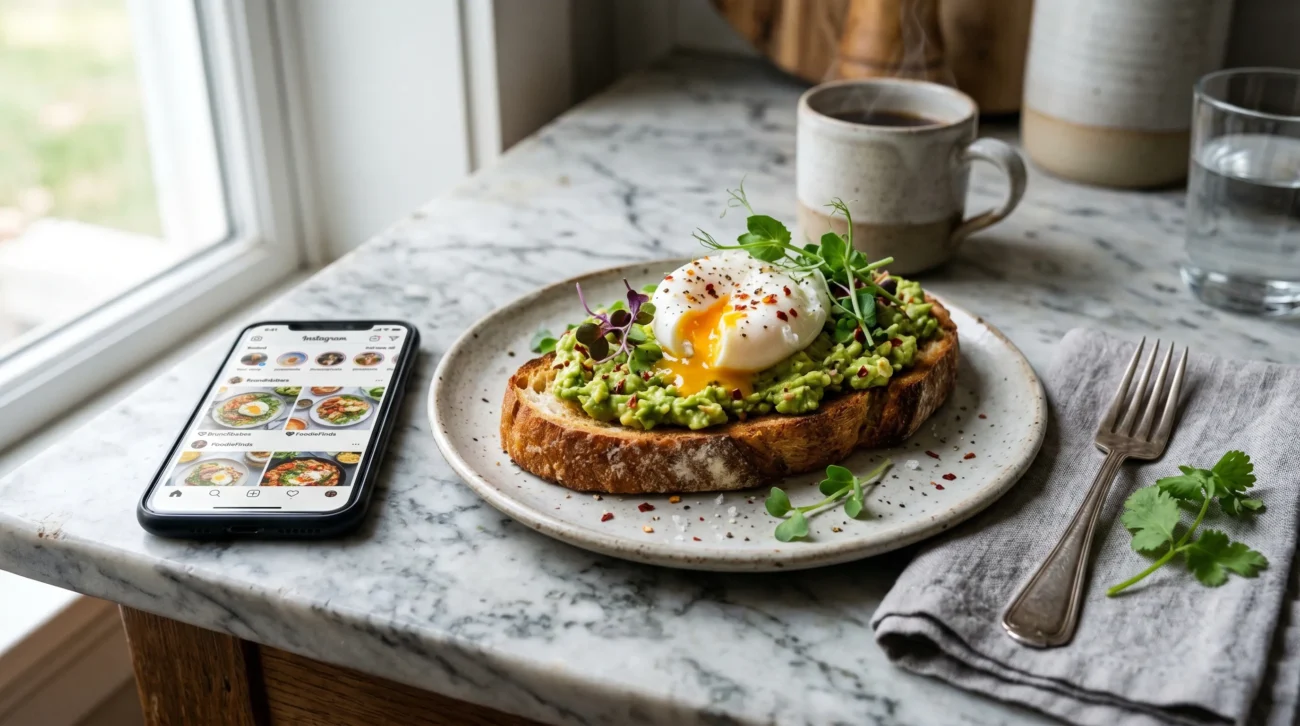
Toastul is an emerging term that many people search for when they want to understand whether it means a food trend, a creative toast recipe, a content-sharing platform, or simply a new way to talk about toasted bread. Because the word appears in different online contexts, it can feel confusing at first. Some pages describe Toastul as a modern culinary idea built around perfectly toasted bread, while others connect it with quick content sharing and online discussions.
In the food world, Toastul is best understood as a creative upgrade of ordinary toast. It takes a simple slice of bread and turns it into something more thoughtful, colorful, flavorful, and satisfying. Instead of plain buttered toast, Toastul usually includes layered toppings, sweet and savory combinations, fresh ingredients, and a focus on texture, presentation, and customization.
This guide explains the real meaning of Toastul, why it is becoming a social media food trend, how to make it at home, which toppings work best, whether it is healthy, and why some search results describe it as a platform instead of a recipe idea.
What Is Toastul? Meaning and Online Confusion
The simplest Toastul meaning is this: Toastul is a modern toast-based concept where toasted bread becomes the base for creative toppings, balanced flavors, and attractive presentation. It is similar to regular toast, but it feels more intentional. A good Toastul is not only about bread becoming brown and crisp; it is about combining bread, spread, protein, fruit, vegetables, herbs, sauces, and texture in a way that feels complete.
The reason people ask “what is Toastul?” is that the keyword does not have one fixed meaning everywhere online. In many articles, it is described as a culinary delight, food trend, toast-making idea, or recipe style. In another search context, Toastul platform refers to a simple content sharing platform or online discussion platform where people publish posts, share ideas, and interact with an online community.
So, is Toastul a real word? It is better to call it an emerging online term rather than a traditional dictionary word. It appears to be used mostly as a branded or coined term. In food content, it points toward customizable toast. In digital content, it may refer to a website or platform. This mixed meaning creates Toastul online confusion, but it also gives writers an opportunity to explain the topic clearly.
For most readers, the strongest and most useful meaning is food-related: Toastul as a recipe trend built around toasted bread.
Origin and Rise of the Toastul Food Trend
The idea behind Toastul is not completely new. People have enjoyed toasted bread for centuries, from simple breakfast toast to European café-style open-faced meals. Toasted bread has appeared in many forms across food history, including crostini, bruschetta, tartine, and other bread-based snacks. What feels new is the modern name, the visual presentation, and the way people share these ideas on platforms like Instagram, TikTok, and YouTube Shorts.
The rise of Toastul fits perfectly with modern food culture. People want meals that are fast, affordable, beautiful, and easy to personalize. A slice of sourdough, whole grain bread, brioche, or gluten-free bread can quickly become breakfast, lunch, dinner, dessert, or a snack. That flexibility is one reason Toastul has become part of the wider modern toast culture.
Social media also plays a major role. Short 15-to-60-second video modules showing bread being toasted, spreads being layered, and toppings being arranged are easy to watch and share. The golden-brown surface, colorful ingredients, and crunchy sound make Toastul perfect for ASMR, time-lapse video footage, and high-definition mobile viewing.
In simple words, Toastul became popular because it combines comfort food, culinary creativity, and visual aesthetics. It is easy enough for home cooks, but stylish enough to look like a café dish.
Toastul vs Regular Toast and Similar Foods
Regular toast is usually basic. You toast a slice of bread, add butter, jam, or maybe peanut butter, and eat it quickly. Toastul, on the other hand, is more layered and planned. It focuses on premium textures, balanced flavor, and crafted presentation.
The difference between regular toast vs Toastul is similar to the difference between a plain sandwich and a carefully built open-faced meal. Toastul often includes a base spread, a main topping, a fresh element, a crunchy element, and a finishing touch like herbs, seeds, honey, chili flakes, or balsamic glaze.
Here is a simple comparison:
| Food | Main Idea | How It Differs from Toastul |
| Regular toast | Toasted bread with simple spread | Less layered and less styled |
| French toast | Bread soaked in egg mixture and cooked | Sweeter, softer, and more dessert-like |
| Bruschetta | Grilled bread with tomato-based toppings | More Italian and appetizer-focused |
| Crostini | Small crispy bread slices with toppings | Usually bite-sized party food |
| Tartine | French-style open-faced sandwich | Very close, but often more traditional |
| Toastul | Creative, customizable toast meal | Flexible, modern, trend-friendly, and visually styled |
This is why Toastul vs toast is an important comparison. Toastul is not just about heating bread. It is about turning bread into a complete experience with sweet and savory toppings, macro-balanced layers, and a clean, camera-ready look.
Core Ingredients of a Perfect Toastul
A great Toastul starts with the right foundation. The bread should be strong enough to hold toppings without becoming soggy. Sourdough is one of the best choices because it has structure, flavor, and a crisp crust. Whole grain bread works well for a healthier version because it adds fiber, minerals, and a more filling texture. Brioche is ideal for dessert Toastul because it is soft, rich, and slightly sweet. Rye bread gives a bold flavor, while gluten-free bread supports people with dietary restrictions.
After the bread comes the spread. A spread works like a flavor base and a moisture barrier. Popular options include avocado mash, hummus, ricotta cheese, cream cheese, whipped cream cheese, nut butter, almond butter, pesto, or Greek yogurt-style spreads. A good spread helps toppings stay in place and keeps the Toastul from feeling dry.
Then comes the main topping. For savory Toastul, common choices include poached egg, scrambled eggs, smoked salmon, roasted vegetables, heirloom tomatoes, sautéed mushrooms, kimchi, goat cheese, or burrata. For sweet Toastul, you can use banana, mixed berries, strawberries, roasted figs, honey drizzle, cinnamon, Nutella, or chia seeds.
A helpful rule is:
“Good Toastul has contrast: crisp bread, creamy spread, fresh toppings, and one bold finishing flavor.”
That finishing flavor could be chili flakes, lemon zest, lime, balsamic glaze, dill, basil, thyme, edible flowers, or seeds. These small details make the difference between ordinary toast and a true Toastul.
How to Make Toastul Step by Step
Making Toastul at home is simple, but technique matters. The goal is to create perfectly toasted bread with a crisp surface, soft interior, and enough strength to carry toppings.
Start by choosing bread that matches your recipe. Use sourdough for savory toppings, whole grain bread for a balanced breakfast, brioche for sweet versions, or gluten-free bread if needed. Slice it thick enough to hold toppings, but not so thick that it becomes hard to bite.
Toast the bread until it reaches a golden-brown hue. This is where the Maillard reaction happens. The Maillard reaction is the food science process that gives toasted bread its deeper flavor, golden color, and satisfying aroma. You can use a pop-up toaster, toaster oven, smart toaster, cast-iron skillet, oven-broiling, or pan-toasting. The best method depends on your kitchen tools, but even heat is more important than fancy equipment.
Once the bread is toasted, add your base spread while the surface is still warm but not steaming hot. This helps with thermal binding, but it also prevents delicate toppings from wilting too quickly. Add your main topping next, then balance it with something fresh, crunchy, acidic, or sweet.
For example, a savory Toastul might use hummus, roasted vegetables, pickled onions, and chili flakes. A sweet version might use ricotta, berries, honey, and chia seeds. Serve it soon after assembling because Toastul tastes best when the bread is still crisp.
To keep Toastul crispy, avoid piling wet toppings directly on the bread. Use a thick spread as a barrier, drain watery vegetables, and add sauces at the end.
Sweet and Savory Toastul Ideas
The beauty of Toastul recipes is that they can fit almost any mood. You can make them healthy, indulgent, vegan, gluten-free, high-protein, sweet, savory, or party-friendly.
For a classic breakfast Toastul, spread avocado over whole grain bread and top it with a poached egg, chili flakes, and lemon zest. This gives you healthy fats, protein, and a fresh flavor. For something Mediterranean, use hummus, cucumber, roasted vegetables, olives, and herbs. This version feels light, colorful, and full of global cuisine influence.
If you want a sweet Toastul, try almond butter with banana, cinnamon, and honey. Another option is ricotta with mixed berries, chia seeds, and a small honey drizzle. For dessert, Nutella and strawberries on brioche create a rich and crowd-pleasing version.
Here are a few easy combinations:
| Toastul Style | Bread | Spread | Toppings |
| High-protein Toastul | Whole grain | Cottage cheese | Egg, herbs, black pepper |
| Vegan Toastul | Sourdough | Hummus | Avocado, tomato, seeds |
| Sweet Toastul | Brioche | Ricotta | Berries, honey, chia seeds |
| Savory Toastul | Rye | Cream cheese | Smoked salmon, dill, lemon |
| Gluten-free Toastul | Gluten-free bread | Avocado mash | Roasted vegetables, pesto |
| Party Toastul | Crostini-style slices | Goat cheese | Roasted figs, balsamic glaze |
These ideas show why Toastul works for breakfast, brunch, lunch, dinner, snacks, and even party platters. It is not one fixed recipe. It is a flexible format.
Is Toastul Healthy? Benefits, Mistakes, and Safety Tips
Many people ask, “Is Toastul healthy?” The answer depends on how you make it. Toastul can be a healthy meal option when it includes quality bread, enough protein, fiber-rich toppings, and controlled portions. It can also become high in sugar, salt, or calories if you overload it with processed meats, too much cheese, chocolate spreads, or heavy sauces.
A balanced Toastul usually includes four parts: complex carbohydrates, protein, healthy fats, and fiber. Whole grain bread provides carbohydrates and fiber. Eggs, cottage cheese, Greek yogurt, hummus, or smoked salmon can add protein. Avocado, nut butter, seeds, and olive oil-style toppings provide healthy fats. Fruits and vegetables add vitamins, minerals, antioxidants, and freshness.
For people focused on weight management, a Toastul can be filling without being too heavy if portions are controlled. For people watching blood sugar, choosing whole grain bread, adding protein, and avoiding too much honey or jam may help create a steadier meal. A low glycemic index approach works better than using white bread with sugary toppings.
The biggest mistakes are simple: using bread that is too soft, adding wet toppings too early, skipping protein, using too many sweet spreads, or ignoring texture. If the bread becomes soggy, the whole experience suffers.
Food safety also matters. If you use perishable ingredients like smoked salmon, dairy spreads, eggs, or cooked vegetables, keep them refrigerated before use. Wash fresh produce, avoid leaving topped toast sitting out too long, and prepare only what you plan to eat soon. Toastul is best fresh, not stored fully assembled for hours.
Toastul for Different Diets
One reason Toastul feels modern is that it can adapt to different diets. For a vegan Toastul, use hummus, avocado, roasted vegetables, tomatoes, mushrooms, herbs, seeds, or dairy-free spreads. A plant-based version can still feel rich and satisfying if it has enough texture and seasoning.
For a gluten-free Toastul, choose gluten-free bread made with ingredients like rice flour, almond flour, oat flour, or buckwheat flour. Toast it carefully because some gluten-free breads can dry out faster than wheat bread. A creamy spread can help improve the texture.
For a dairy-free Toastul, skip ricotta, cream cheese, burrata, and goat cheese. Use avocado mash, hummus, nut-free spreads, bean spreads, or dairy-free yogurt alternatives. For an egg-free Toastul, add protein through hummus, beans, smoked tofu, seeds, or plant-based spreads.
If you need a nut-free Toastul, avoid almond butter, peanut butter, and mixed nut toppings. Use sunflower seed butter, hummus, cream cheese alternatives, or fruit-based toppings instead.
These diet-friendly versions help Toastul reach a wide audience, from health-conscious foodies to busy students, home cooks, parents, and people who simply want fast meals with better flavor.
Toastul as a Platform: Why Search Results Are Mixed
Although most Toastul content focuses on food, some search results describe Toastul as a content-sharing platform. In that context, Toastul is not about bread at all. It refers to an online platform where users can publish posts, share information, create discussions, and interact with a community.
This is why users may see terms like quick content sharing, online discussions, blog posts, guides and tutorials, reviews and recommendations, comments, content discovery, and community interaction connected with Toastul. That version of the keyword has a more navigational or digital publishing intent.
However, when all competitor patterns are combined, the stronger search direction is food-related. Most users landing on a Toastul guide probably expect an explanation of Toastul meaning, toasted bread, recipes, toppings, health benefits, and modern culinary trends.
The best way to understand the mixed results is this: Toastul is an unclear online term with more than one use, but the most useful public meaning is currently the creative toast and food trend angle.
Content Gaps Competitors Often Miss
Many articles explain Toastul as a recipe or trend, but they often miss the bigger picture. A stronger article should answer the confusion directly. Is Toastul a food trend, a typo, a platform, or a new word? That question matters because users want clarity before recipes.
Another missing topic is comparison. Toastul vs French toast, Toastul vs bruschetta, Toastul vs crostini, Toastul vs tartine, and Toastul vs open-faced sandwich all help readers understand the concept faster. Competitors also often skip practical problems like how to prevent soggy toast, how to keep toppings safe, and how to build a balanced breakfast formula.
Toastul also has strong use-case potential. It can be positioned as a meal for busy mornings, students, lunchbox meals, brunch tables, weight-conscious eaters, and party snacks. A budget-friendly version might use whole grain bread, hummus, boiled egg, tomato, and herbs. A premium version might use sourdough, burrata, roasted figs, and balsamic glaze.
These details give an article more depth than a basic recipe page. They also help cover real user pain points, not just keywords.
Frequently Asked Questions
What is Toastul?
Toastul is best described as a creative toast-based food concept where toasted bread is topped with spreads, proteins, fruits, vegetables, herbs, sauces, or sweet ingredients. It is more styled and layered than regular toast.
Is Toastul a real word?
Toastul appears to be an emerging online term rather than a traditional dictionary word. It is used in different ways, including as a food trend and, in some cases, as a platform-related term.
Is Toastul just regular toast?
No. Regular toast is usually simple, while Toastul is more intentional. It often includes customizable toppings, balanced texture, food styling, and creative flavor combinations.
Is Toastul healthy?
Toastul can be healthy when made with whole grain bread, protein, vegetables, fruit, seeds, and healthy fats. It becomes less healthy when overloaded with sugar, processed toppings, or heavy spreads.
What is the best bread for Toastul?
The best bread depends on your goal. Sourdough is great for structure, whole grain bread is best for fiber, brioche works for sweet recipes, and gluten-free bread works for people avoiding gluten.
Can Toastul be vegan or gluten-free?
Yes. Vegan Toastul can use hummus, avocado, roasted vegetables, seeds, and plant-based spreads. Gluten-free Toastul can be made with gluten-free bread and suitable toppings.
Why is Toastul trending online?
Toastul fits social media because it is visual, fast, customizable, and easy to show in short videos on Instagram Reels, TikTok, and YouTube Shorts.
Is Toastul a food trend or a content-sharing platform?
It can appear as both online, but the stronger content pattern is food-related. Most people use Toastul to describe creative toasted bread, recipes, toppings, and modern toast culture.
Conclusion:
Toastul is best understood as a flexible, creative, and modern way to enjoy toasted bread. It takes a simple food and turns it into something more colorful, balanced, and personal. Whether you prefer avocado and egg, hummus and vegetables, ricotta and berries, or Nutella and strawberries, Toastul gives you room to experiment.
At the same time, the keyword has some online confusion because it can also appear in platform-related content. Still, for most readers, Toastul meaning points toward a customizable toast food trend built around flavor, texture, presentation, and convenience.
If you want a quick breakfast, healthy snack, brunch idea, or social-media-worthy recipe, Toastul is worth trying.
Disclaimer:
This article is for general informational purposes only. The ideas, tips, and examples shared may not apply the same way to everyone, as individual results, preferences, and situations may vary.
