


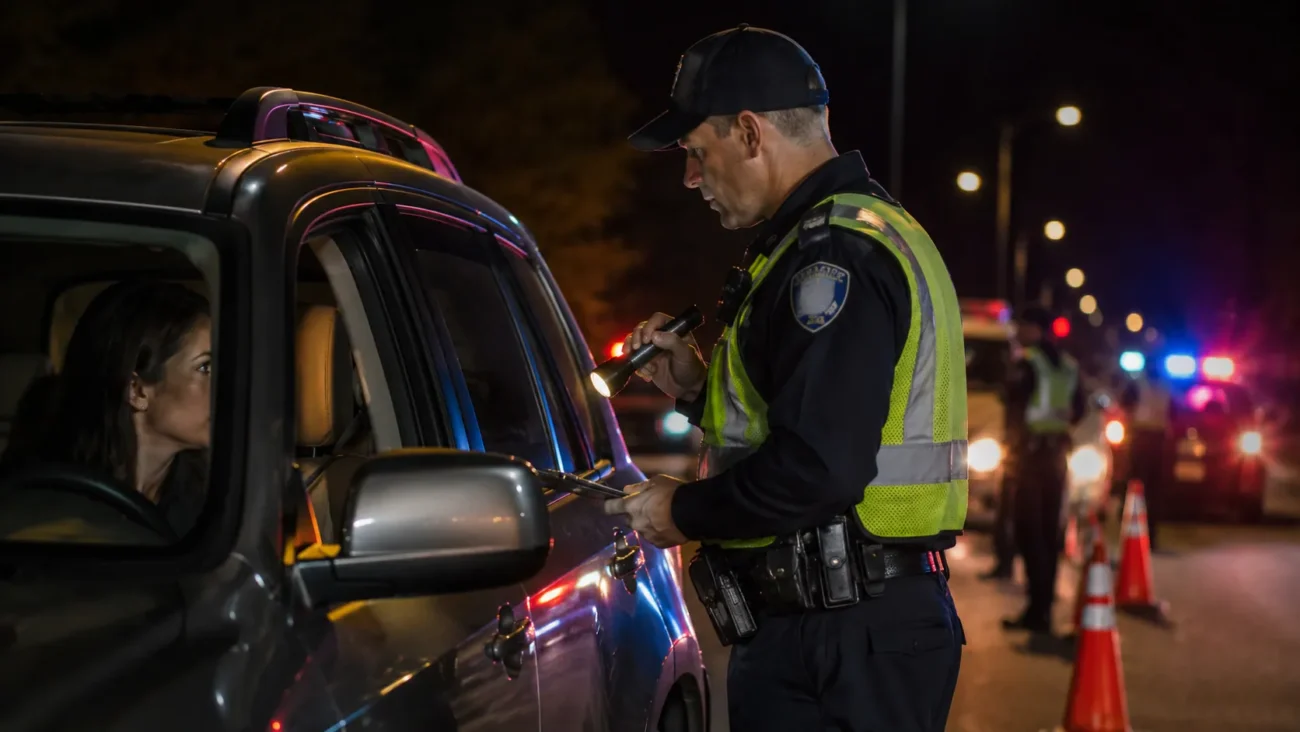
Summer often brings longer nights, holiday gatherings, and increased travel. It also brings something many drivers do not consider until they encounter it firsthand: a noticeable increase in DUI checkpoints. Law enforcement agencies tend to increase roadside enforcement during peak holiday weekends to reduce impaired driving and prevent serious crashes.
For drivers, especially those heading home after social events, this shift can be stressful and confusing. For first-time offenders, the experience can feel overwhelming, particularly when they are unsure about what comes next legally. At the same time, these enforcement efforts are designed to protect everyone on the road, including passengers, pedestrians, and other motorists.
Understanding how DUI checkpoints work, what your rights are, and what consequences may follow a first offense can make a difficult situation easier to navigate.
Why DUI Checkpoints Increase During Summer
Summer holidays like Memorial Day, Independence Day, and Labor Day typically see a rise in alcohol consumption and travel. As a result, law enforcement agencies increase the number of roadside stops to deter impaired driving before it leads to accidents.
These checkpoints are usually placed in areas with:
- High traffic volume during evening hours
- A history of alcohol-related crashes
- Easy access to major highways or entertainment districts
- Increased holiday or weekend activity
The goal is not just to issue citations but to reduce the number of impaired drivers before they cause harm. Even so, for drivers stopped at these checkpoints, the process can feel intimidating if they are unfamiliar with what to expect.
What Happens at a DUI Checkpoint
When approaching a checkpoint, drivers are typically slowed down and briefly questioned by officers. The process is designed to be systematic and consistent.
You may experience:
- A short conversation with an officer
- Questions about where you are coming from
- A request for a driver’s license and registration
- Observation for signs of impairment, such as slurred speech or odor of alcohol
- Possible field sobriety tests if impairment is suspected
If officers believe a driver may be impaired, they may request further testing, such as a breathalyzer test, or ask the driver to step out of the vehicle.
It is important to remain calm and cooperative while also being aware of your rights. Anything you say or do during this interaction may be documented and used later if charges are filed.
First-Time DUI Offense: What You May Face
Being charged with a DUI for the first time can be life-altering, even if no accident occurred. Penalties vary depending on the situation, but often include a combination of legal and administrative consequences.
Common outcomes include:
- License suspension or restriction
- Fines and court fees
- Mandatory alcohol education or treatment programs
- Probation
- Possible jail time in some cases
- Installation of an ignition interlock device
Beyond legal penalties, a DUI conviction can also affect employment opportunities, insurance rates, and professional licensing in certain fields.
Because of the complexity of DUI laws, early legal guidance is often critical. Speaking with a first time DUI lawyer in Leesburg, VA, can help individuals understand their rights, evaluate the evidence, and explore possible defenses or alternatives to harsh penalties.
Common mistakes first-time offenders make include:
- Assuming they should plead guilty immediately
- Failing to challenge the field sobriety or breath test accuracy
- Not understanding administrative license hearings
- Ignoring deadlines for legal responses
Each DUI case is fact-specific, so outcomes can vary widely depending on how the situation is handled from the outset.
How DUI Checkpoints Impact Road Safety
While checkpoints may feel inconvenient to drivers, they play a significant role in reducing impaired driving incidents. Studies have shown that visible enforcement can discourage people from driving after drinking, especially during holiday weekends.
However, even with these measures in place, impaired driving accidents still occur. When they do, the consequences are often severe and extend far beyond legal penalties.
When Drunk Driving Leads to Injuries
Victims of impaired driving accidents often face immediate and long-term challenges. These crashes are frequently more severe because alcohol impairs reaction time, judgment, and coordination.
Common injuries include:
- Head and brain injuries
- Spinal cord damage
- Broken bones
- Internal injuries
- Emotional trauma, such as anxiety or PTSD
In addition to physical harm, victims often deal with mounting medical bills, lost wages, and long recovery periods. Insurance claims may also become complicated, especially when liability is disputed or coverage is limited.
After a crash involving a suspected impaired driver, it is important to take certain steps as soon as possible:
- Seek medical attention immediately
- Call law enforcement and ensure an official report is filed
- Document the scene if it is safe to do so
- Collect witness contact information if available
These actions can help protect both health and legal rights.
Protecting Your Rights After a Drunk Driving Accident
Recovering from a crash caused by an impaired driver involves more than medical treatment. It often requires navigating insurance claims, liability disputes, and long-term financial impacts.
Victims may benefit from legal guidance to understand what compensation may be available for:
- Medical expenses
- Lost income
- Property damage
- Pain and suffering
- Long-term rehabilitation needs
In cases involving serious injury, working with a personal injury lawyer in Ashburn, VA can help victims better understand their legal options and ensure that claims are properly documented and pursued. Legal support can also help prevent insurance companies from undervaluing or delaying legitimate claims.
Why Awareness Matters for Both Drivers and Victims
For drivers, the importance of making responsible choices before getting behind the wheel is highlighted. For victims, they underscore how quickly a normal day can change due to someone else’s decision.
The reality is that impaired driving impacts entire communities. Legal systems, law enforcement, and healthcare providers all play roles in responding to and preventing these incidents, but individual responsibility remains central.
Final Thoughts
Summer DUI checkpoints are likely to continue increasing as part of broader efforts to reduce impaired driving. For first-time offenders, understanding the legal process early can help reduce uncertainty and improve outcomes. For victims of drunk driving accidents, knowing what to do right after a crash can make a big difference in recovery and financial stability.
Whether on the road or dealing with the aftermath of an accident, awareness and timely action are key factors in protecting both legal rights and personal well-being.
