


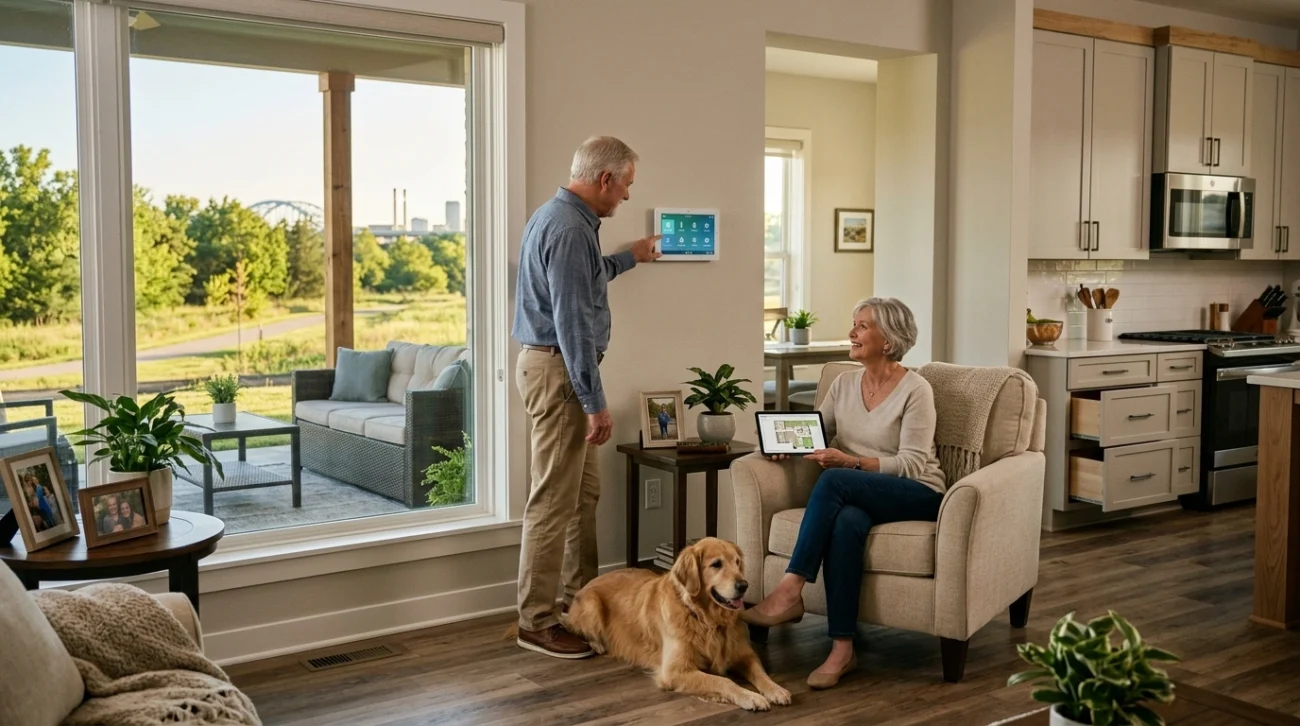
Key Takeaways
- A future-ready home supports current routines while allowing for possible changes in mobility, health, work, or family needs.
- Single-level living, clear pathways, strong lighting, and practical bathrooms can improve everyday comfort.
- Low-maintenance living should be evaluated by total monthly cost, not just by the amount of exterior work included.
- Tulsa buyers should consider access to healthcare, shopping, recreation, family, and social opportunities alongside the home itself.
- Useful safety features can blend naturally into a stylish, welcoming home design.
Choosing a home for the next stage of life means looking beyond curb appeal, square footage, and today’s furniture layout. In Tulsa, a future-ready home should make everyday routines simple while offering flexibility for changing needs, weather patterns, visitors, hobbies, and long-term budgets. Buyers exploring active adult communities in Tulsa with low-maintenance living can use this guide to evaluate what will make a home comfortable now and manageable for years to come.
Why Future-Ready Homes Matter
A home that works well today may become less convenient after retirement, an injury, a shift to remote work, or a decision to spend more time with grandchildren and friends. Planning is not about expecting the worst. It is about giving yourself more choices and reducing the likelihood of an expensive, rushed move later. A future-ready home is comfortable now, adaptable later, and maintainable over time. That approach aligns with the preferences of many older adults. Three-quarters of adults age 50 and older want to remain in their own homes, and 73 percent want to remain in their communities throughout their lifetime, according to AARP research. For Tulsa residents, that can mean choosing a home that keeps favorite routines, familiar services, and local connections within reach.
Start With A Clear Picture Of Daily Life
Before touring homes, write down what an ordinary week should look like. Consider how often you cook, entertain, travel, work from home, garden, exercise, or host overnight guests. A spare room might be more valuable as an office, hobby space, or flexible guest suite than as a formal bedroom that remains unused. Also, decide how much responsibility you want for mowing, landscaping, roof repairs, exterior painting, and storm cleanup. Tulsa’s warm summers, seasonal storms, and changing temperatures can make exterior upkeep a meaningful part of homeownership. Some buyers value the privacy of a detached home, while others prefer a setting with more limited or shared maintenance responsibilities.
Look For A Layout That Makes Movement Easy
The best floor plans support easy movement without feeling clinical. One-level living is often appealing because it places the kitchen, main bedroom, bathroom, laundry area, and living spaces on the same floor. If a home has multiple levels, consider whether daily life can still happen comfortably on one level.
- Look for short, direct paths between the bedroom, bathroom, kitchen, and living room.
- Notice hallway width, doorway clearance, and tight turns around corners or islands.
- Check for steps at entrances, patios, garages, and transitions to outdoor living areas.
- Favor open sightlines and rooms that can be repurposed as routines change.
- Make sure storage is accessible without climbing, reaching too high, or moving heavy items.
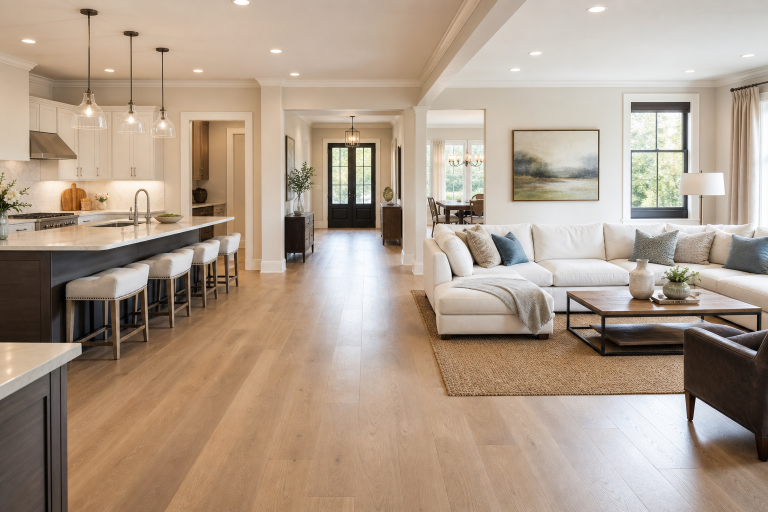
Pay Close Attention To Bathrooms And Entries
Bathrooms and entrances deserve extra attention during every showing because they are common areas for future modifications. A spacious shower, stable flooring, good ventilation, and a room beside the toilet can make a bathroom easier to use and easier to update if support features are needed later. At exterior doors, check whether thresholds create a raised edge and whether the path from the driveway, garage, or sidewalk feels straightforward.
Lighting matters as much. Bright, well-placed lighting near doors, walkways, stairs, garages, and bathrooms makes it easier to see changes in floor level and obstacles. The CDC recommends steps such as clearing tripping hazards, adding grab bars near tubs and toilets, installing railings on both sides of stairs, and improving lighting to make a home safer.
Choose Materials That Are Easy To Live With
Finishes influence cleaning time, repair costs, and daily confidence. Durable flooring in high-traffic areas can be easier to maintain than materials that scratch, stain, or require frequent refinishing. In bathrooms, laundry spaces, garages, and outdoor areas, choose surfaces that provide reliable footing when wet. Ask practical questions about windows, roofing, siding, irrigation, landscaping, and drainage. Determine which repairs belong to the homeowner and which may be covered by an association or service arrangement. Low maintenance should mean fewer chores you have to handle, not uncertainty about who is responsible when a major repair is needed.
Compare The Full Cost Of Low-Maintenance Living
The purchase price is only the beginning of the financial picture. A smaller home with association fees can cost more each month than a larger home with fewer shared services, while a detached home may require a larger reserve for repairs and seasonal upkeep. Compare each option using the same monthly framework:
- Estimate the mortgage payment, property taxes, and homeowners’ insurance.
- Add association or community fees, if applicable.
- Ask exactly what those fees include, such as lawn care, exterior maintenance, amenities, or insurance.
- Estimate utilities, internet, landscaping, pest control, and routine repairs.
- Review governing documents for special assessments, reserve funding, and planned capital projects.
- Keep savings available for appliances, interior maintenance, and unexpected expenses.
Think Beyond The Property Line
A well-designed house can still be a poor long-term fit if errands, appointments, and social activities require difficult drives. Test the routes to primary care, pharmacies, grocery stores, restaurants, banks, and the people you expect to see regularly. Consider traffic patterns, sidewalks, nighttime lighting, and the convenience of getting in and out of the neighborhood. Quality of life also includes opportunities to stay active and connected. Tulsa offers parks, trails, recreation spaces, and community programs, so buyers can review nearby options and decide which ones fit their interests. Being close to places where you will actually walk, meet friends, volunteer, or take a class can matter more than an amenity that looks impressive during a tour.
Review Shared Amenities With A Practical Eye
Clubhouses, pools, fitness rooms, walking paths, and gathering areas can enhance enjoyment, but only when they align with your habits and budget. Ask whether you will use them regularly, how far they are from home, what their hours are, and how their upkeep will be funded. Review guest policies, seasonal closures, and community rules before assuming an amenity will be available when you want it.
Ask Better Questions During A Home Tour
- Could daily living remain on one level if needs change?
- What areas require regular maintenance, and who handles it?
- What is included in the monthly fee, and how are major repairs funded?
- Are there restrictions on renovations, pets, rentals, guests, or outdoor changes?
- Can furniture move easily through the doors, halls, and main rooms?
- Which security, internet, and smart-home systems are already installed?
- How close are healthcare, shopping, recreation, and family support?
Use A Simple Home-Comparison Scorecard
Touring several homes can make the decision feel emotional and confusing. After each visit, rate each category from 1 to 5, then compare the results. Weight the categories according to your priorities:
- Layout and accessibility, 25 percent: Entrances, stairs, bathrooms, lighting, pathways, and one-level living.
- Total monthly cost, 20 percent: Mortgage, taxes, insurance, fees, utilities, and maintenance reserves.
- Location and services, 20 percent: Healthcare, groceries, family, activities, and transportation routes.
- Maintenance needs, 15 percent: Exterior work, landscaping, systems, and repair responsibilities.
- Community fit, 10 percent: Amenities, rules, social opportunities, and overall atmosphere.
- Design and personal appeal, 10 percent: Style, natural light, storage, and the feeling of being at home.
Common Mistakes To Avoid
- Choosing primarily by square footage instead of daily function.
- Overlooking narrow halls, awkward thresholds, poor lighting, or difficult stairs.
- Assuming every maintenance service is included in community fees.
- Ignoring possible changes in taxes, insurance, fees, and repair costs.
- Focusing on decorative amenities while overlooking healthcare access and routine errands.
- Waiting for a health event or urgent life change before evaluating the home’s long-term fit.
Questions Buyers May Still Have
Is A Smaller Home Always Better?
No. A smaller home may require less cleaning and maintenance, but the right size depends on storage needs, guests, hobbies, privacy, and how each room functions.
Is New Construction Better Than An Older Home?
Not necessarily. Newer homes may offer current systems and layouts. In comparison, older homes can offer established neighborhoods, mature landscaping, and a location that better supports your routine, condition, cost, and long-term fit, which matter more than age alone.
When Should Buyers Start Planning For Future Needs?
Early planning provides more options. Choosing a flexible layout before a major life change can help a home remain comfortable without immediate renovations or a rushed move.
Conclusion
A future-ready home in Tulsa is not defined by one price point, neighborhood, floor plan, or architectural style. It is a home that supports the way people actually live while remaining practical as their needs change over time. Features such as functional layouts, manageable maintenance, energy-conscious improvements, adequate storage, and adaptable living spaces can all contribute to long-term usability. Homeowners should also consider ongoing costs, repair requirements, property upkeep, and how the home may accommodate changes in household size, work arrangements, mobility, or daily routines. A well-planned home does not need to include every available feature or technology. Instead, it should focus on improvements that provide practical value and fit the household’s priorities and budget. The strongest choice is often the one that makes everyday life easier, keeps costs understandable, limits unwanted maintenance, and supports the connections that matter most while leaving enough flexibility for the years ahead.
