


Key Takeaways
- Review both the architectural details and the age of the home’s major systems.
- Pay close attention to roofs, drainage, large window walls, insulation, and moisture control.
- Use specialists when a general inspection raises questions about structure, sewer lines, electrical work, or roofing.
- Separate urgent repairs from cosmetic improvements and preservation-minded updates.
- Confirm insurance, renovation limits, utility costs, and permit history before removing inspection conditions.
Table of Contents
- Why These Homes Need a Closer Look
- Start With the Home’s Story
- Review the Exterior
- Inspect the Roof and Drainage
- Check Windows and Insulation
- Test Major Home Systems
- Include Radon Testing
- Protect the Original Design
- Build a Realistic Renovation Budget
- Questions to Ask Before Making an Offer
- Final Checklist
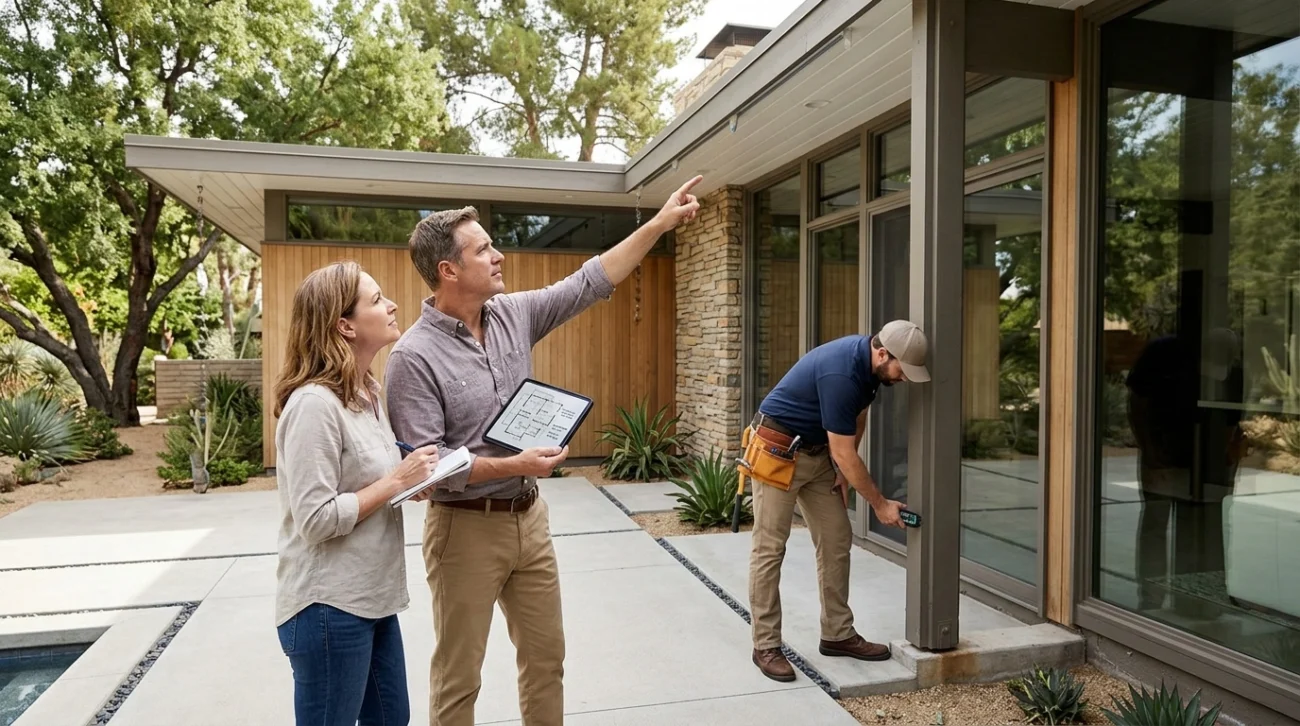
Mid-century modern homes can be hard to resist. Glass walls, clean lines, warm wood, and open living spaces create an immediate impression, but a stylish showing is not the same as a sound purchase. Buyers considering distinctive Denver properties may benefit from working with Denver CO real estate agent Arturo Bugarin of Modern Homes Colorado. The firm’s website focuses on buying, selling, design, and preservation guidance for modern and mid-century homes across Denver, urban neighborhoods, suburban communities, and Colorado’s established mid-century enclaves.
The goal is not to turn every older home into a full renovation project. It is to understand what is original, what has been updated, what needs immediate attention, and which design details are worth protecting before you make an offer.
Why These Homes Need a Closer Look
Mid-century modern homes often look simple because their design emphasizes openness and restraint. In practice, broad rooflines, exposed beams, low-slope roofs, floor-to-ceiling glass, and indoor-outdoor transitions can create specialized maintenance needs. A home can retain its visual appeal while concealing outdated wiring, aging plumbing, inadequate insulation, drainage issues, or moisture damage.
Do not let a beautifully staged living room outweigh the basics. Treat visual appeal as one part of the decision, then investigate the building systems that support daily comfort, safety, and long-term value.
Start With the Home’s Story
Begin with the property’s age, architect or builder, prior listings, remodel history, and permits. Ask the seller which elements are original, including cabinetry, tile, lighting, windows, doors, roof framing, and floor plan. A wall removed during an old remodel may have changed how loads are carried, while a newer addition may have different insulation or drainage details than the original house.
- Request permits and invoices for additions, electrical upgrades, roof work, and sewer repairs.
- Ask whether the property is in a historic district or subject to design review.
- Find out whether original features were restored, replaced, or covered over.
Modern-era homes can present unique questions about materials, adaptability, and historic significance. The National Park Service’s guidance on preserving modern-era design is a useful starting point when you are weighing future changes.
Review the Exterior
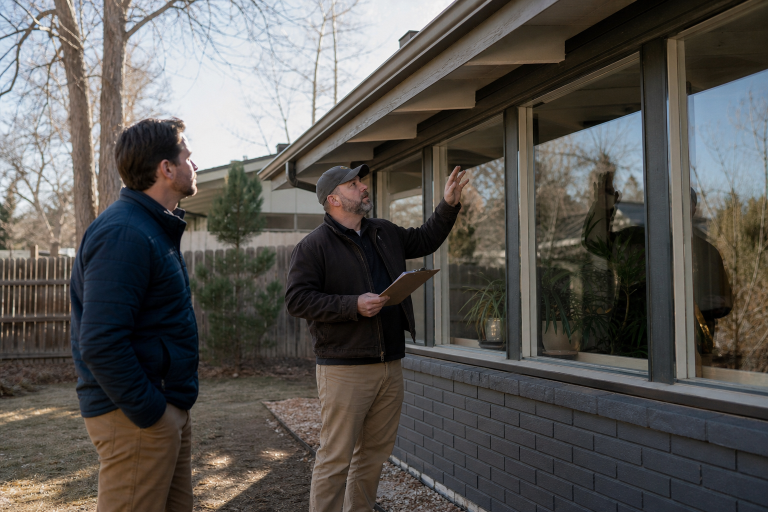
Take a slow walk around the home before the formal inspection. You are not trying to diagnose every problem. You are looking for clues that deserve follow-up.
- Look for cracks around foundation walls, windows, doors, patios, and garage openings.
- Check wood, stucco, brick, and siding for rot, staining, separation, or repairs.
- Notice standing water, soil that slopes toward the house, and roots close to the foundation.
- Inspect window frames for peeling finishes, soft wood, fogged glass, or water stains.
A dramatic glass wall may be the feature that sells the home, but staining beneath the frames can indicate failed seals, poor flashing, or water intrusion. Small signs outside can lead to much larger questions inside.
Inspect the Roof and Drainage
Low-slope roofs, concealed gutters, broad overhangs, and unusual drainage routes are common in this style. They can perform well, but deferred maintenance may allow water to travel behind finishes before it becomes visible.
- Ask for the roof age, material, warranty, and repair history.
- Look for stains, damp insulation, and musty odors in the attic or at ceiling corners.
- Confirm gutters, scuppers, and downspouts carry water away from the foundation.
- Bring in a roofing specialist if the inspector cannot safely assess the roof.
Check Windows and Insulation
Original windows may be central to the home’s character, proportions, and connection to the landscape. Newer windows can improve comfort and efficiency, but poorly chosen replacements may alter the facade’s appearance. Ask about drafts, condensation, failed seals, damaged frames, attic insulation, wall insulation, and air leakage. Compare the cost of repair, weatherization, and selective replacement before assuming every original window must go.
Test Major Home Systems
Look Beyond the Renovated Surfaces
A remodeled kitchen does not prove that the home’s core systems are up to date. Have the inspection address the following areas:
- Electrical: Service capacity, panel condition, wiring type, grounding, outlets, and signs of amateur work.
- Plumbing: Supply lines, drain lines, water pressure, water heater age, and sewer connections.
- Heating and cooling: Equipment age, maintenance records, ductwork, ventilation, and room-to-room comfort.
- Structure: Settlement, sagging, movement, water damage, and prior repairs.
- Crawl spaces and basements: Moisture, ventilation, insulation, pests, and accessible framing.
Order separate evaluations when the home shows visible movement, has an aging sewer line, has an expensive mechanical system, or has unusual construction details.
Include Radon Testing
Radon testing belongs on the buyer’s checklist, especially when a home has a basement, crawl space, or lower-level living area. The EPA advises homebuyers and sellers on testing during real estate transactions and recommends action when results reach 4 picocuries per liter or higher. Review the EPA’s radon resources for the real estate community, then consider whether an older result is reliable enough or whether a new test is appropriate.
Protect the Original Design
Thoughtful renovation preserves what makes the home memorable while improving function. Repair distinctive doors, built-ins, tile, lighting, and cabinetry when practical. Keep important sight lines and proportions intact. A successful kitchen update may improve storage, lighting, and appliances while retaining simple cabinet lines and natural materials. A generic remodel can erase the details that made the property special in the first place.
Build a Realistic Renovation Budget
Divide Costs by Urgency
- Immediate repairs: Active leaks, unsafe wiring, failed heating equipment, major drainage problems, and structural concerns.
- Near-term work: Roof maintenance, insulation, window restoration, sewer lining, and mechanical upgrades.
- Design improvements: Paint, lighting, landscaping, cabinetry, tile, and furnishings.
Keep a contingency fund for discoveries that surface after closing. Also, obtain insurance quotes, review utility bills, estimate property taxes, and ask about design review costs before finalizing your budget.
Questions to Ask Before Making an Offer
- How old are the roof, furnace, water heater, electrical panel, and windows?
- Has the sewer line been scoped and documented?
- Has the home been tested for radon?
- Were additions and remodels properly permitted?
- Are exterior changes restricted by a district, association, or local review process?
- What repairs has the seller completed during the last five years?
- Can you secure insurance before the inspection deadline?
- Which original fixtures and features are included in the sale?
Final Checklist
- Review history, permits, and repair records.
- Inspect the exterior, roof, drainage, windows, and lower level.
- Test electrical, plumbing, heating, cooling, and sewer systems.
- Order specialist inspections when warranted.
- Separate urgent repairs from future design projects.
- Protect the details that give the home lasting character.
A mid-century modern home should be judged on more than its photographs. The best purchase pairs strong design with sound systems, manageable repair needs, and a realistic plan for future care.
