


Key Takeaways
- Minimalist designs with bold typography enhance readability and maximize visual impact.
- Dark mode provides users with comfort and reduces eye strain.
- 3D elements and micro-interactions deliver engaging, memorable web experiences.
- Voice User Interfaces (VUIs) address the growing demand for hands-free navigation and enhance accessibility.
- Nostalgic aesthetics evoke familiarity and foster emotional connections.
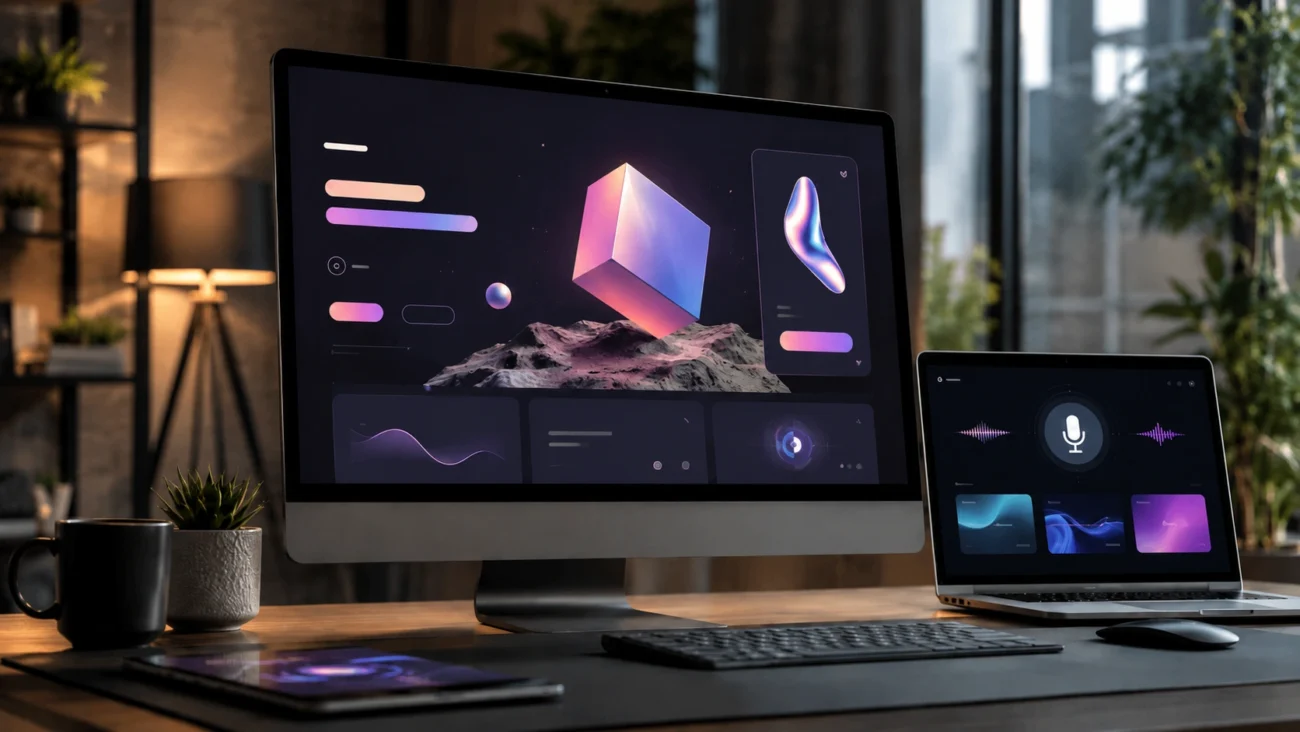
Staying ahead in the digital landscape requires an ongoing commitment to keeping pace with innovative web design techniques. The trends emerging are not only pushing the boundaries of aesthetic appeal but also enhancing user experience and engagement. As web users become more discerning, these trends create opportunities for designers and businesses to capture attention. For those seeking inspiration, platforms offering curated website ideas can help spark creativity and align your project with current best practices.
Web design trends this year emphasize usability and visual impact, with a focus on accessibility and personalization to enhance user satisfaction. Techniques such as dark mode and microinteractions contribute to creating immersive user experiences, which are essential for standing out in a competitive digital landscape. Designers are encouraged to draw inspiration from innovative platforms to develop meaningful connections with users and adapt to evolving audience expectations.
Minimalist Design with Bold Typography
The trend toward minimalist design, characterized by generous white space and intuitive layouts, remains at the heart of effective web strategy. Bold, expressive typography acts as a visual anchor, guiding site visitors to core messaging and key information. Oversized fonts paired with uncluttered backdrops emphasize headlines and calls to action, enabling brands to quickly and efficiently communicate their value proposition. When typography takes center stage, users can focus and navigate more easily, reducing distractions and increasing the likelihood of meaningful engagement.
In addition, contemporary typographic choices often better reflect a brand’s voice and tone than traditional, generic fonts. Incorporating custom or variable fonts has become simpler with modern web technologies, enabling creative expression without sacrificing site performance. Experimenting with font pairings, such as mixing elegant serifs with modern sans-serifs, can inject personality into layouts while maintaining clarity. Minimalism doesn’t mean boring; rather, it motivates designers to optimize every element for clarity and impact, ensuring that each design choice serves a clear purpose.
Dark Mode and Low-Light User Experience
Dark mode interfaces, which invert traditional color schemes for softer backgrounds and contrasting text, are more than an aesthetic choice. They support user well-being by reducing glare and eye strain, particularly in evening or low-light settings. As personalization becomes integral to digital experiences, many platforms are allowing users to switch between light and dark themes. This adaptability not only underlines the importance of user-centric design but also aligns with the broader shift toward inclusivity in web development. Large editorial sites like Smashing Magazine offer resources to help designers implement dark mode while maintaining accessibility for all visitors.
Implementing dark mode requires thoughtful color palette adjustments beyond simply inverting hues. Designers must ensure sufficient contrast ratios to guarantee readability, especially for users with vision impairments. Additionally, icons and illustrations often need to be reimagined to remain distinct and functional against dark backgrounds. With more devices and operating systems supporting dark mode as a default or optional preference, businesses that build responsive, switchable themes can attract tech-savvy and accessibility-conscious users alike, demonstrating a firm grasp on digital inclusivity.
Immersive 3D Elements
Advancements in WebGL and CSS are making it easier to add interactive 3D graphics and animations to websites. These immersive elements transform static pages into dynamic, engaging environments. Retail sites showcase products via 3D models that visitors can rotate and examine in detail. Educational platforms use 3D visuals to explain complex concepts. When thoughtfully integrated, 3D graphics stimulate user curiosity and lengthen site visits.
Immersive 3D not only entertains but also provides functional benefits. For example, architecture firms, automotive brands, and online learning tools now frequently employ 3D environments to offer virtual walkthroughs or product explorations. These applications improve comprehension, build trust, and aid decision-making by allowing users to interact with digital content as if they were handling real-world objects. The continuous evolution of browser capabilities opens the door for even more inventive 3D storytelling and product displays in the web design landscape.
Voice User Interface (VUI)
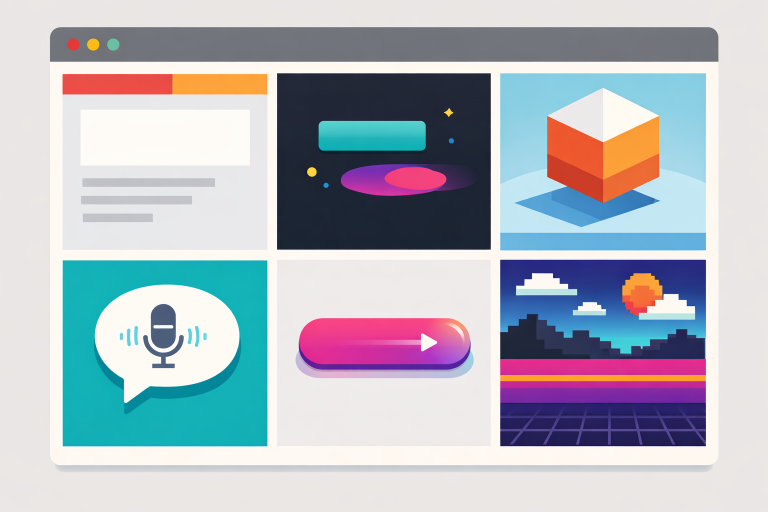
Voice interaction is growing rapidly, driven by the adoption of smart speakers and digital assistants. Integrating VUI makes web content more accessible and hands-free, offering an inclusive browsing experience for users with diverse needs. Visitors can navigate, search, and even complete tasks using their voices, streamlining interactions and improving efficiency. Businesses that invest in VUI design, guided by resources such as Nielsen Norman Group’s voice design guidelines, are poised to reach broader, multi-device audiences.
As natural language processing improves, web designers have access to more powerful tools for recognizing and interpreting voice commands. Beyond accessibility, VUI supports multitasking and creates new opportunities for content discovery. For brands, embracing voice commands on their websites and applications positions them at the forefront of customer convenience. Thoughtful implementation of VUI also includes clear audio feedback and error handling, ensuring users receive guidance and encouragement at every step of their journey.
Advanced Micro-Interactions
Micro-interactions, small animated cues that respond to user actions, serve a functional and aesthetic purpose. Whether it’s a button changing color upon hover, a progress bar filling up, or a subtle loading animation, these details create a smoother, more intuitive journey through a site. Thoughtful micro-interactions provide feedback, reinforce actions, and guide users seamlessly, which encourages further exploration and improves satisfaction.
Enhanced micro-interactions also create emotional resonance by making digital interactions feel lively and responsive. Brands often leverage these unique motion experiences to reinforce their identity, playful animations can signal friendliness, while refined transitions might convey professionalism and trust. The strategic use of micro-interactions reduces cognitive load, making complex user tasks feel effortless and natural. As 2026 progresses, expect designers to push the envelope with even richer animations while maintaining fast performance and accessibility standards.
Nostalgic Graphic Designs
Nostalgia-driven designs tap into collective memory. The revival of early-2000s and 1990s graphics, such as vintage pixel fonts, gradients, and neon-inspired palettes, blends retro charm with modern sensibilities. These throwback elements create warmth and approachability while still employing cutting-edge technologies. For brands targeting millennials and Gen Z, nostalgic graphics foster brand affinity by invoking a sense of comfort and familiarity.
Nostalgia in digital design isn’t simply about replication; it’s about fusion. Designers are merging retro color schemes and motifs with the latest layout trends and interactive technologies. The result is a unique visual experience that appeals both to users’ emotions and their desire for novelty. Incorporating vintage-inspired icons, playful illustrations, or even lo-fi UI patterns can help brands craft memorable online experiences that differentiate them from more conventional competitors while providing a welcome sense of familiarity.
Conclusion
The fusion of innovation, accessibility, and emotional connection defines the web design landscape. Adopting minimalist layouts, dark mode options, 3D elements, VUI, advanced micro-interactions, and nostalgic touches empowers brands to craft digital experiences that delight and engage. Staying aware of evolving trends and leveraging inspiration from reputable digital resources gives designers the tools to deliver exceptional web experiences for today’s audiences.
By investing in these advances, forward-thinking businesses demonstrate their commitment to delivering not just beautiful, but functional and accessible web environments. The intersection of creativity and usability will continue to shape the future of web design, making it crucial for designers to remain agile, experiment with new techniques, and prioritize their audiences’ needs. As technology progresses, those who adapt quickly and draw consistently from diverse inspiration will be best positioned to make a lasting digital impact.

One thought on “Top Web Design Trends Shaping Digital Experiences in 2026”