


Introduction
If you’ve searched for “oronsuuts” and landed on confusing results, you’re not alone. The word has picked up a strange second life online, with some sites inventing vague “business mindset” meanings that have nothing to do with its actual roots. The real story is simpler, and honestly more interesting: oronsuuts is a Mongolian term for apartment-style residential housing, and it plays a central role in how people live in cities like Ulaanbaatar today.
This guide sticks to the facts — what oronsuuts actually means, where it came from, and what you should know if you’re researching Mongolian housing, real estate, or urban culture.
What Is Oronsuuts?
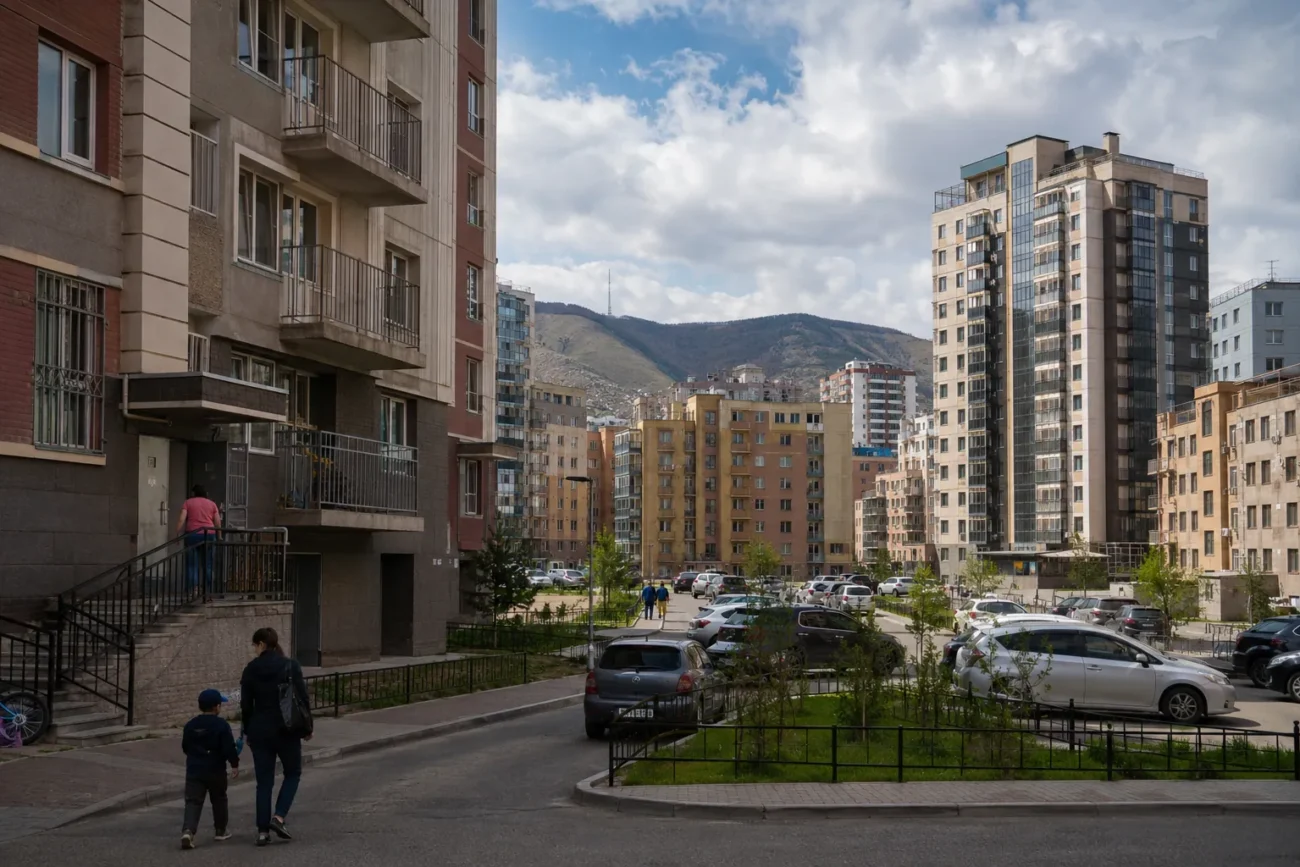
Oronsuuts (орон сууц) is the Mongolian word for housing or apartment living, referring to multi-story residential buildings where families live in individual units but share core infrastructure like heating, water, and building maintenance.
The term breaks down roughly as “residential dwelling space,” and it’s used constantly in everyday Mongolian conversation — in real estate listings, government housing programs, and casual talk about where someone lives.
Unlike a single free-standing house, an oronsuuts building is a shared system. Residents have private apartments, but they rely on the same boiler, the same water lines, the same stairwells and elevators, and often the same property management company.
Origins and History
Oronsuuts housing traces back to the Soviet era, when Mongolia began constructing large residential apartment blocks to house factory workers and growing urban populations. These early buildings were built for function first — solid, simple, and designed to survive brutally cold winters.
As Ulaanbaatar’s population grew, driven by migration from rural herding communities, the demand for oronsuuts housing expanded well beyond its original scope. Older Soviet-style blocks were gradually joined by newer, more design-conscious apartment complexes, especially from the 2000s onward.
Today’s oronsuuts buildings reflect that mixed history — some are decades-old concrete blocks with retrofitted heating systems, others are modern high-rises with updated insulation, elevators, and amenities. The throughline across all of them is the shared, organized nature of the living arrangement.
Key Features of Oronsuuts Buildings
What separates oronsuuts from a standalone house? A few defining characteristics show up again and again:
- Multi-story construction — housing dozens or hundreds of families in one structure to maximize limited urban land
- Centralized heating — critical in a country where winter temperatures regularly drop below -20°C
- Shared infrastructure — common water systems, electrical grids, and waste management serving the whole building
- Property management — a dedicated team or company handling repairs, cleaning, and building upkeep
- Communal spaces — stairwells, courtyards, and sometimes playgrounds or parking areas used by all residents
These features work together to create what’s often described as a “complete system” for city living rather than just a private living space.
Oronsuuts vs. Ger District Living
To understand why oronsuuts matters so much in Mongolia, it helps to compare it with the alternative many urban migrants come from: the ger district.
| Feature | Oronsuuts (Apartment) | Ger District |
| Heating | Centralized building heating | Individual stoves, often coal-fired |
| Water access | Piped water in-unit | Often communal wells or trucked-in water |
| Waste systems | Connected sewage | Pit latrines in many areas |
| Cost | Higher upfront/rent | Lower cost, more land |
| Density | High-rise, space-efficient | Low-rise, sprawling |
Ger districts — informal settlements built around traditional round tents — have historically lacked the infrastructure that oronsuuts buildings provide. This gap is a major reason oronsuuts housing is treated as an upgrade in quality of life, particularly during Mongolia’s long winters, and why it’s central to government housing policy discussions.
Life Inside an Oronsuuts Apartment
Daily life in an oronsuuts building looks fairly similar to apartment living anywhere in the world, with a few distinctly Mongolian touches.
Residents rely on the building’s central heating system to get through winters that would be dangerous without it. Hot water and electricity come through shared building systems rather than individual setups. Neighbors are close — often literally above, below, and beside you — which creates a strong sense of community but can also mean more noise than a detached house.
Common daily routines include:
- Checking building notices for heating schedule changes or maintenance
- Using shared entryways, elevators, and stairwells
- Coordinating with property management for repairs
- Participating in building-wide decisions about shared costs
For young professionals and small families, an oronsuuts apartment near schools, transit, and shops has become the default choice in a fast-growing capital city.
Buying or Renting Oronsuuts in 2026
Mongolia’s oronsuuts market has been shaped by rapid urbanization. As more people move to Ulaanbaatar for jobs, schools, and healthcare, demand for apartments has consistently outpaced older ger district housing.
A few practical things to know if you’re researching the market:
- Location matters most — proximity to city center, schools, and transit heavily affects price
- Building age affects heating efficiency — older Soviet-era blocks may have weaker insulation than newer builds
- Management quality varies — ask about the property management company’s track record before renting or buying
- Government housing programs exist to help target groups access affordable oronsuuts units, registered through official housing portals
Challenges Facing Oronsuuts Housing
Oronsuuts buildings aren’t without problems. Common challenges include:
- Aging infrastructure in older Soviet-built blocks
- Heating system strain during extreme cold snaps
- Housing shortages as urban migration continues to outpace new construction
- Affordability pressure as demand pushes prices up in central districts
These pressures are part of why housing policy and new oronsuuts construction remain an active political and economic topic in Mongolia.
FAQs
What does the word oronsuuts mean?
Oronsuuts means apartment or residential housing in Mongolian, referring to multi-unit buildings with shared infrastructure like heating and water.
Where did oronsuuts housing originate?
It originated during Mongolia’s Soviet era, when apartment blocks were built to house growing urban and industrial populations.
Is oronsuuts the same as a regular apartment?
Yes, functionally — it’s the Mongolian term for apartment-style housing, though it carries specific cultural associations with Ulaanbaatar’s urban development.
Why is oronsuuts housing important in Mongolia?
It offers centralized heating, clean water, and organized waste systems — advantages that many ger district homes lack, especially during harsh winters.
Are there different types of oronsuuts buildings?
Yes. They range from older Soviet-era concrete blocks to modern high-rises with updated insulation, smart features, and amenities.
How is oronsuuts housing different from a ger district home?
Oronsuuts buildings offer shared, centralized infrastructure, while ger districts often rely on individual stoves and lack piped water or sewage connections.
Is the term “oronsuuts” used online in other, unrelated ways?
Yes — some low-quality websites have recently used the word as a vague marketing term for unrelated “business frameworks.” That usage has no real linguistic or cultural basis; the term’s actual and original meaning is Mongolian residential housing.
Conclusion
Oronsuuts is a straightforward but culturally important term: it’s the Mongolian word for apartment-style housing, built around shared heating, water, and management systems that make city life workable through harsh winters. Its roots go back to Soviet-era construction, and it remains central to how Ulaanbaatar’s growing population finds stable, modern homes today.
If you’re researching Mongolian real estate, urban housing policy, or simply came across the word and wanted a clear answer — now you have one grounded in what the term actually means, not manufactured buzzword definitions.
Disclaimer
This article was written using publicly available web sources and general knowledge about Mongolian housing terminology as of July 2026. While efforts were made to ensure accuracy, housing markets, policies, and terminology can change over time, so readers should verify current details with official Mongolian housing authorities or local real estate sources before making decisions.
