


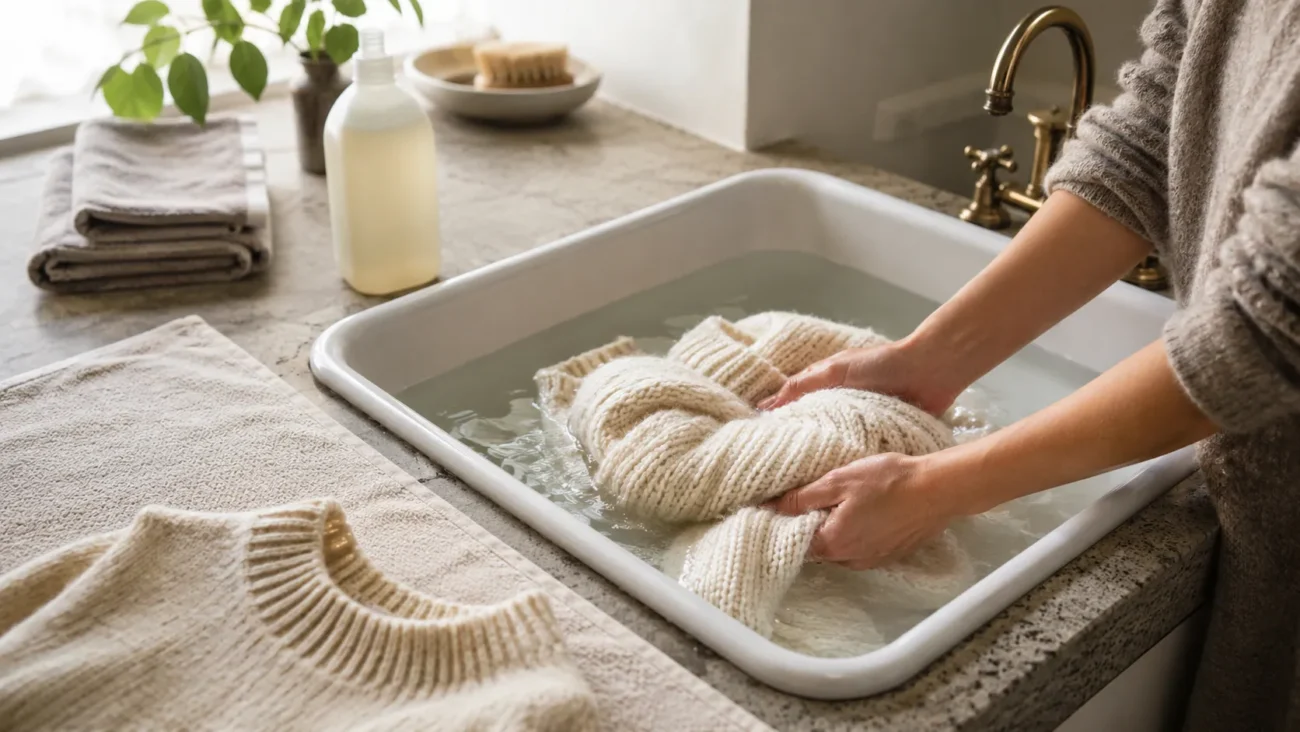
Introduction
Wool sweaters are cozy, durable, and often expensive — but one wrong wash can shrink, stretch, or felt them beyond repair. If you’ve ever pulled a sweater out of the wash only to find it now fits a toddler, you already know how unforgiving wool can be when handled incorrectly.
The good news is that washing wool at home isn’t complicated once you understand a few key principles. This guide covers everything you need to know: how to hand wash and machine wash wool sweaters safely, what makes Merino wool slightly different to care for, and a few lesser-known but genuinely effective techniques that most care guides don’t mention.
Wool vs. Merino Wool: Does the Washing Method Differ?
The core washing principles are the same for wool and Merino wool: gentle handling, cool water, and mild detergent. However, there are a few important differences worth understanding.
Merino wool is made from finer, softer fibers than standard wool, which is what gives it that smooth, non-itchy feel. These finer fibers are also more delicate, meaning Merino wool sweaters are somewhat more prone to felting and pilling if handled roughly during washing. This makes gentle handling even more important with Merino pieces compared to coarser wool sweaters, like traditional Aran or lambswool knits.
Standard wool, especially thicker or coarser varieties, can typically tolerate slightly more handling without damage, though the same core rules — no hot water, no agitation, no wringing — still apply to both.
In short: if you’re washing a Merino wool sweater, follow every step in this guide with extra care, particularly during the washing and drying stages, where excess agitation is most likely to cause damage.
Before You Wash: Check These 3 Things
Taking a few minutes to prepare before washing can prevent most common wool-washing mistakes.
- Check the Care Label
Always check the garment’s care label first. Some wool sweaters, especially vintage or designer pieces, may have specific instructions — such as “dry clean only” — that override general washing advice. If there’s no label, or if it’s a vintage thrifted piece, proceed carefully using the gentlest method available. - Test for Colorfastness
Before washing a brightly colored or dark wool sweater for the first time, test a small, hidden area (like an inside seam) with a damp cloth and a small amount of your chosen detergent. If color transfers onto the cloth, the sweater may bleed during washing, and extra caution — or professional cleaning — is recommended. - Pre-Treat Any Visible Stains
Gently dab (never scrub) stains with a small amount of mild detergent before washing the whole garment. Scrubbing can damage or felt the fibers around the stain, making the problem worse rather than better.
What You’ll Need
Before you start, gather a few basic supplies. You likely already have most of these at home.
Detergent Options:
- Dedicated wool wash — Brands like Eucalan, Soak, and Nikwax are specifically formulated for wool and are widely recommended by knitters and wool owners. Many of these are “no-rinse” formulas, meaning you don’t need to rinse the sweater after washing, which reduces handling and agitation.
- Mild alternatives — If you don’t want to buy a dedicated wool wash for a single sweater, mild shampoo, baby shampoo, or a gentle castile soap (like Dr. Bronner’s) can work well in small amounts.
- What to avoid — Regular laundry detergent and fabric softeners are too harsh for wool. They can strip the fiber’s natural oils and damage its texture over time.
Other Supplies:
- A clean basin, sink, or tub
- Two or more clean, absorbent towels
- A mesh laundry bag (if machine washing)
- A flat surface or drying rack for air-drying
How to Hand Wash a Wool Sweater (Step-by-Step)
Hand washing is the safest method for cleaning wool sweaters, especially delicate or Merino wool pieces. Here’s how to do it correctly:
Step 1: Fill a Basin with Water
Use cool to lukewarm water — whatever temperature feels comfortable to the touch, but not hot. This is important: pick one temperature and stick with it throughout the entire process. A sudden shift from warm water to a cold rinse (or vice versa) is one of the most common causes of shrinkage and felting, even more so than the water temperature itself.
Step 2: Add Detergent
Add a small amount of your wool wash or mild detergent to the water and mix gently until it’s dispersed.
Step 3: Soak the Sweater
Submerge the sweater fully and gently press it down to let the water soak through. Avoid scrubbing, twisting, or agitating the fabric. If it’s noticeably dirty or has an odor, let it soak for 10–15 minutes.
Step 4: Gently Press Out the Water
Press the water through the fibers with your hands. Never wring or twist a wool sweater — this can permanently distort its shape.
Step 5: Rinse (If Needed)
If you’re using a detergent that requires rinsing, use water that matches the same temperature as your wash water. Gently press clean water through the fibers, then press out the excess the same way.
Step 6: Support the Sweater When Lifting
Wet wool is heavy and can stretch under its own weight. Use both hands to support the sweater as a bundle, or lift it out using a mesh bag or strainer, rather than pulling it out by one section.
How to Machine Wash a Wool Sweater (Step-by-Step)
Hand washing is generally the safer option, but if you prefer to use a washing machine, it can be done carefully with the right settings.
Step 1: Turn the Sweater Inside Out
This helps protect the outer fibers from friction during the wash cycle.
Step 2: Place It in a Mesh Laundry Bag
This is an important step — washing wool loose in the machine increases the risk of stretching, snagging, and excess friction against other fabrics.
Step 3: Select the Wool or Delicate Cycle
Use your machine’s wool or hand-wash cycle if available. These cycles use slower spin speeds and gentler agitation than a normal cycle.
Step 4: Use Cold or Lukewarm Water
Just like hand washing, avoid hot water entirely, and try to keep the temperature consistent between wash and rinse cycles if your machine allows manual control.
Step 5: Add Wool-Safe Detergent
Use the same type of detergent recommended for hand washing. Avoid fabric softener, as it can coat and weigh down wool fibers.
Step 6: Wash Separately
Avoid washing wool sweaters alongside heavier fabrics like jeans or towels, which can cause friction and pilling. If possible, wash wool items in their own small load.
Step 7: Remove Promptly After the Cycle Ends
Leaving a damp wool sweater sitting in the machine can cause wrinkles and, in some cases, encourage musty odors. Remove it as soon as the cycle finishes.
Important Note: Even with these precautions, machine washing carries more risk than hand washing, particularly for Merino wool or sweaters with delicate stitching or embellishments. If you’re washing a valuable or sentimental piece, hand washing is the safer choice.
The Snow Washing Method: A Lesser-Known Alternative
If you live somewhere with regular snowfall, there’s a traditional method for freshening up wool sweaters that most washing guides never mention: snow washing.
The method works because fresh, clean snow is cold, dry, and slightly abrasive — enough to lift surface dirt and refresh the fibers without the heat, moisture, or agitation that typically causes shrinkage or felting. It’s not a substitute for washing away deep stains or heavy soiling, but it works well for freshening up a sweater between full washes.
How to Snow Wash a Wool Sweater:
- Choose a spot with clean, fresh snow — avoid areas near roads or foot traffic.
- Lay the sweater flat on top of the snow, or gently pack a small amount of snow onto the fabric.
- Gently rub the snow into the wool in a light, circular motion, focusing on any areas with visible dirt or odor.
- Shake off the excess snow and let the sweater dry flat indoors, away from direct heat.
This method won’t replace a proper wash for heavily soiled sweaters, but it’s a genuinely useful trick for extending the time between full washes, especially for wool’s natural odor-resistant properties.
Drying Wool Sweaters Correctly
How you dry a wool sweater matters just as much as how you wash it. Improper drying is one of the most common ways sweaters end up stretched, misshapen, or shrunken.
Step 1: Never Wring or Hang While Wet
Wet wool is heavy and stretches easily under its own weight. Never hang a wet wool sweater on a hanger, as this can permanently distort its shape.
Step 2: Remove Excess Water With a Towel
Lay the sweater flat on a clean, dry towel. Gently roll the towel up with the sweater inside, pressing to absorb excess moisture. Repeat with a fresh, dry towel if needed.
Step 3: Reshape While Damp
Once most of the water is absorbed, gently reshape the sweater to its original dimensions — smoothing out the sleeves, shoulders, and hem — while it’s still slightly damp and easier to mold.
Step 4: Air Dry Flat
Lay the sweater flat on a drying rack, mesh screen, or a clean, dry towel in a well-ventilated area. Avoid direct sunlight, which can fade colors and weaken fibers over time.
Step 5: Avoid Heat Sources
Never use a tumble dryer, and avoid placing the sweater near radiators or direct heat sources. Heat is one of the fastest ways to shrink wool, even after the washing stage is already done correctly.
How Often Should You Wash a Wool Sweater?
One of wool’s most useful natural properties is its resistance to odor. Unlike cotton or synthetic fabrics, wool fibers have a natural ability to neutralize bacteria that cause smells, meaning wool sweaters don’t need to be washed nearly as often as other clothing.
Air It Out First
Before assuming a sweater needs a full wash, try hanging it in a well-ventilated area for 24 hours. In many cases, this alone is enough to eliminate mild odors, thanks to wool’s natural antibacterial properties.
Spot Clean When Possible
If only a small area is dirty or stained, spot cleaning that section is often better than washing the entire sweater. This reduces overall wear and extends the sweater’s lifespan.
Reduce Direct Contact With Skin
Wearing a thin undershirt or tank top underneath a wool sweater can significantly reduce how often it needs washing, since it limits direct contact with body oils and sweat — the main causes of odor and staining in the first place.
Wash Only When Necessary
As a general guideline, most wool sweaters only need a full wash a few times per season, unless visibly dirty or stained. Overwashing is one of the most common causes of premature wear, pilling, and fiber breakdown.
Common Mistakes and How to Fix Them
Even careful wool owners sometimes run into issues. Here’s how to handle the most common problems.
Mistake #1: Shrinkage
Wool shrinkage happens when fibers are exposed to heat, agitation, or sudden temperature changes, causing them to contract and tighten permanently. Unfortunately, once wool has fully shrunk, it generally cannot be reversed — this is an important reality to understand before attempting any wash. Some very minor shrinkage can sometimes be gently stretched back into shape while the sweater is damp, but significant shrinkage is usually permanent.
Mistake #2: Felting
Felting occurs when wool fibers become tangled and matted together, usually from a combination of heat, moisture, and agitation. Like shrinkage, felting is typically permanent and cannot be undone. Prevention — gentle handling, consistent water temperature, and no agitation — is the only reliable solution.
Mistake #3: Pilling
Small fabric balls, or “pills,” can form on wool sweaters from friction during wear or washing. Unlike shrinkage and felting, pilling is fixable: a fabric shaver or sweater stone can gently remove pills without damaging the underlying fibers. Work slowly and gently to avoid thinning the fabric.
Mistake #4: Lingering Odor
If a sweater still smells after washing and air drying, avoid the temptation to wash it again immediately, which can add unnecessary wear. Instead, try hanging it near (but not touching) a source of gentle airflow, or repeat the air-out method for another 24 hours before considering a second wash.
Storing Wool Sweaters to Prevent Damage
How you store wool sweaters between wears is just as important as how you wash them.
Fold, Don’t Hang
Always fold wool sweaters rather than hanging them on hangers. Hanging causes the fabric to stretch under its own weight over time, especially around the shoulders, leading to a permanently distorted shape.
Protect Against Moths
Wool is a natural fiber that attracts moths, which can cause serious damage during storage. Use cedar blocks, cedar balls, or lavender sachets in your storage area — both act as natural moth deterrents. Storing sweaters in breathable garment bags, rather than sealed plastic bags, also helps prevent moisture buildup while still offering protection.
Store in a Cool, Dry Place
Avoid storing wool in damp areas, which can encourage mildew or musty odors. A cool, dry closet or drawer is ideal.
When in Doubt, Consider Professional Cleaning
For valuable, vintage, or heavily embellished wool sweaters, professional dry cleaning is a safe fallback option if you’re not confident about washing it yourself at home. This is especially worth considering for pieces with sentimental or monetary value where the risk of a washing mistake isn’t worth taking.
Frequently Asked Questions
Can you machine wash a wool sweater?
Yes, but hand washing is generally safer. If machine washing, use a wool or delicate cycle, cold water, and a mesh laundry bag to reduce the risk of stretching or felting.
Does water temperature really matter that much?
Yes. It’s not just about avoiding hot water — sudden shifts between warm and cold water during washing and rinsing can cause shrinkage and felting just as easily as hot water alone. Keeping the temperature consistent throughout the process is key.
What is snow washing, and does it actually work?
Snow washing is a traditional method of using clean, fresh snow to lift surface dirt and freshen wool fibers without water or heat. It works well for light freshening between washes but isn’t a substitute for washing heavily soiled items.
Is washing Merino wool different from washing regular wool?
The core method is the same, but Merino wool’s finer fibers are more delicate and prone to felting, so extra gentle handling is recommended throughout the washing and drying process.
How do you get smell out of a wool sweater without washing it?
Hang the sweater in a well-ventilated area for 24 hours. Wool’s natural antibacterial properties often eliminate mild odors without needing a full wash.
Can shrunk wool be fixed?
Minor shrinkage can sometimes be gently stretched back into shape while the sweater is damp, but significant shrinkage is typically permanent and cannot be reversed.
Conclusion
Washing a wool sweater doesn’t have to be stressful once you understand the core principles: gentle handling, consistent water temperature, and patience during drying. Whether you choose to hand wash or carefully machine wash, avoiding heat and agitation is the key to keeping your sweater looking and feeling like new.
For Merino wool pieces, a little extra care goes a long way, and lesser-known techniques like snow washing or simply airing out a sweater can help you avoid unnecessary washing altogether. With the right approach, a well-made wool sweater can last for decades — making the small amount of extra care well worth it.
