


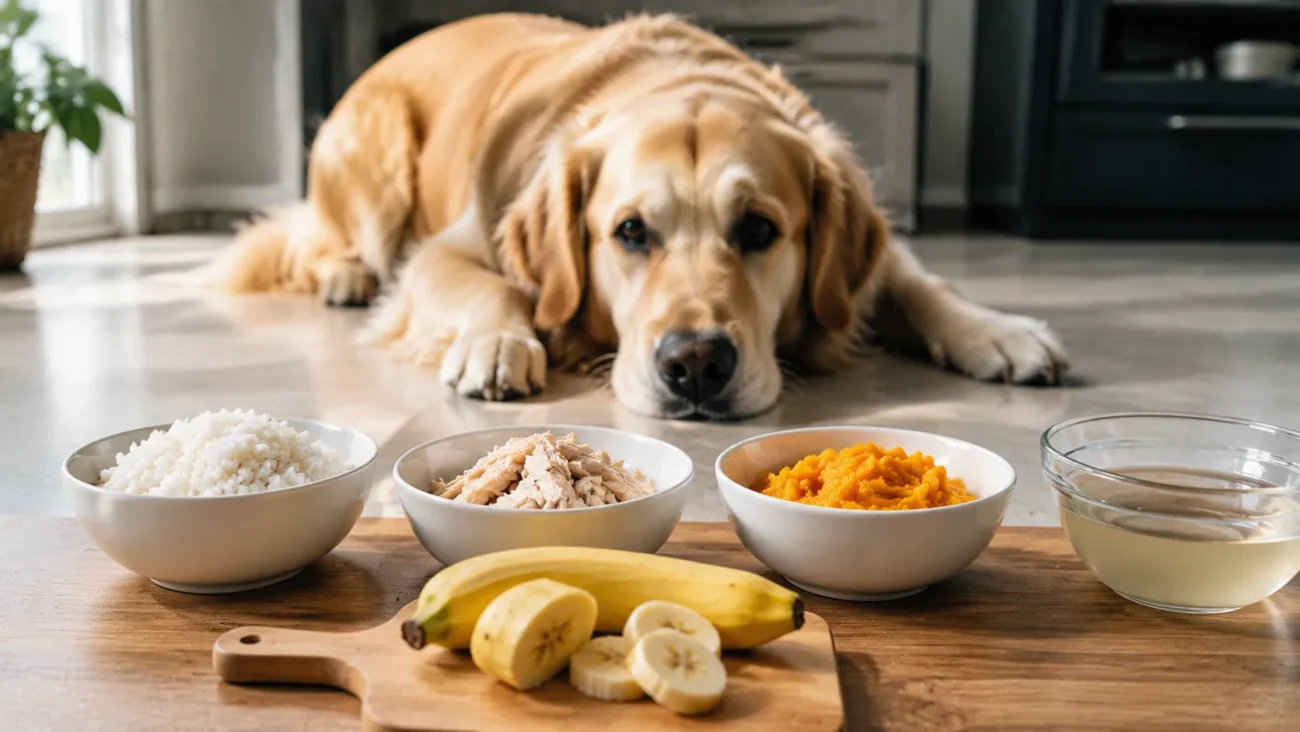
This is one of the first questions dog parents ask when their pet suddenly has loose stool, watery poop, or an upset stomach. It can feel worrying, especially when your dog keeps asking to go outside or has an accident in the house.
The good news is that mild dog diarrhea can sometimes be managed at home with simple care, such as fresh water, gentle food, and close monitoring. However, not every case is safe for home treatment. Diarrhea can happen because of a sudden food change, eating something unusual, stress, parasites, infection, food intolerance, toxins, or an underlying health problem.
The main goal of dog diarrhea home care is to help your dog stay hydrated, give the digestive system a short break, feed foods that are easy on the stomach, and watch closely for signs that something more serious is going on. Puppies, senior dogs, small breeds, and dogs with vomiting, weakness, bloody stool, black stool, or other symptoms need extra caution because they can become dehydrated or unwell faster than healthy adult dogs.
If your dog has mild diarrhea but is still bright, drinking water, eating normally, and acting like themselves, careful home care may help. But if symptoms are severe, repeated, worsening, or paired with other warning signs, it is safer to contact your veterinarian.
First, Check How Serious Your Dog’s Diarrhea Is
Before giving your dog anything for diarrhea, look at the whole dog, not just the stool. A single loose stool in a dog that is still playful, drinking water, and eating may not be an emergency. But diarrhea with other symptoms can point to a bigger problem that needs veterinary care.
A mild case may look like this: your dog has soft or watery poop once or twice, but they still have normal energy, normal appetite, and are drinking water. They may seem a little uncomfortable, but they are not weak, vomiting repeatedly, or acting very different from usual.
More serious dog diarrhea symptoms include vomiting, weakness, bloody diarrhea, black stool, fever, belly pain, repeated watery stool, refusal to drink, pale or sticky gums, or signs of dehydration. Black stool can sometimes suggest digested blood, while red blood may come from irritation or bleeding lower in the digestive tract. Either way, blood in the stool should not be ignored.
A helpful quick home check is to ask yourself:
| What to Check | What You Want to See | What May Be Concerning |
| Energy level | Alert, responsive, fairly normal | Weak, shaky, hiding, unusually tired |
| Gum moisture | Gums look moist and pink | Dry, sticky, pale, or grayish gums |
| Water intake | Drinking normally | Refusing water or unable to keep water down |
| Bathroom trips | A few loose stools | Frequent urgent diarrhea or accidents |
| Other symptoms | No vomiting or pain | Vomiting, blood, fever, belly pain |
Diarrhea is not a disease by itself. It is a symptom. Some dogs get diarrhea after eating table scraps, switching food too quickly, or getting into the trash. Others may have parasites, bacterial or viral illness, food sensitivity, toxin exposure, medication side effects, or a medical condition affecting the gut, liver, pancreas, or other organs.
Veterinary sources commonly recommend professional care when diarrhea is severe, persistent, bloody, or appears with other symptoms such as vomiting, lethargy, fever, pain, or dehydration. Cornell’s canine health guidance also notes that if loose stool lasts more than two days, you should call a vet.
What You Can Give a Dog for Mild Diarrhea at Home
For mild diarrhea in an otherwise stable adult dog, simple home care may be enough to support recovery. The safest starting point is not a strong medication or a complicated remedy. It is usually fresh water, gentle food, small meals, and careful observation.
Here are common safe options that may help a dog with mild diarrhea:
| Safe Option | Why It May Help | Important Note |
| Fresh water | Helps prevent dehydration | Offer often, but do not force your dog to drink |
| Bland food | Gives the gut a gentle break | Use plain, low-fat foods with no seasoning |
| Dog-safe probiotics | May support healthy gut bacteria | Choose vet-recommended products when possible |
| Small frequent meals | Easier to digest than large meals | Start with small portions and watch the stool |
| Veterinary GI diet | Designed for digestive support | Best used with vet guidance |
Fresh water matters because diarrhea causes fluid loss. Make sure your dog has access to clean water at all times. If your dog is drinking less than usual, vomiting, or showing signs of dehydration, home care may not be enough.
A bland diet for dogs often includes plain boiled chicken and white rice, or another low-fat, easy-to-digest option recommended by your vet. PetMD notes that when a dog has diarrhea but is not vomiting, feeding a bland diet such as boiled chicken and rice along with probiotics is often considered safe for mild cases.
Probiotics may also help some dogs by supporting healthy gut bacteria, especially after stress, diet changes, or mild digestive upset. However, it is better to use a dog-specific probiotic rather than choosing a random human supplement.
What you should not do is give random human medicine without veterinary approval. Some products that seem harmless to people can be unsafe for certain dogs, especially dogs with medical conditions, small dogs, puppies, senior dogs, or dogs taking other medication.
Start small. Offer a little bland food, monitor stool consistency, and watch your dog’s energy and water intake. If diarrhea becomes more frequent, your dog starts vomiting, blood appears, or they seem weak or uncomfortable, stop home treatment and contact your vet.
The Best Bland Foods to Feed a Dog With Diarrhea
When your dog has diarrhea but is still alert, drinking water, and able to eat, bland food is often the first practical feeding step. The purpose is not to “cure” every cause of diarrhea. It is to give the digestive system something simple, low-fat, and easy to process while you watch for improvement.
Good bland food options for dog diarrhea may include:
| Bland Food Option | How It Helps | Important Safety Note |
| Boiled skinless chicken and white rice | Easy to digest and commonly used for mild stomach upset | Remove skin, bones, fat, and seasoning |
| Lean boiled turkey and rice | A gentle protein-and-carb option | Use plain turkey only, not deli meat |
| Low-fat boiled hamburger with rice | Another simple protein choice | Drain off fat very well |
| Plain cooked pasta | Soft carbohydrate that may be gentle on the gut | Serve plain, with no sauce, butter, or oil |
| Plain canned pumpkin | Adds fiber that may help stool quality in some dogs | Use small amounts only if tolerated |
Cornell’s canine health guidance notes that mild diarrhea may be managed with bland foods such as boiled chicken or low-fat hamburger with white rice, and cooked pasta may also be an option. Cornell also explains that chicken and rice can help during diarrhea, but it is not nutritionally complete for long-term feeding.
For most dogs, chicken and rice for diarrhea should be plain and simple. Do not add salt, pepper, butter, oil, gravy, sauces, garlic, onions, spicy ingredients, or seasoning blends. These extras can irritate the stomach or be unsafe for dogs.
Start with small portions. Instead of giving one large meal, offer a few spoonfuls or a small serving every few hours, depending on your dog’s size and appetite. Small meals are usually easier for the gut to handle than a full bowl of food. PetMD similarly recommends small, frequent amounts of a bland diet for dogs that seem otherwise okay and do not have chronic diarrhea or ongoing health problems.
A bland diet is temporary support, not a complete long-term diet. If your dog needs bland food for more than a short period, or diarrhea returns when you switch back to normal food, speak with your veterinarian. Your dog may need a different diet, stool testing, medication, parasite treatment, or further evaluation.
Should You Fast a Dog With Diarrhea?
Some dog owners hear that they should withhold food when a dog has diarrhea. In certain healthy adult dogs, a short food break may sometimes be recommended by a veterinarian to give the gut time to settle. However, dog diarrhea fasting is not safe for every dog, and it should not be treated as a one-size-fits-all rule.
Do not fast your dog without veterinary guidance if your dog is:
- A puppy
- A toy breed or very small dog prone to low blood sugar
- A senior dog
- Pregnant or nursing
- Diabetic
- Living with a chronic illness
- Vomiting, weak, shaky, or refusing water
Puppies and tiny dogs can become weak more quickly because they have smaller energy reserves. Senior dogs and dogs with medical conditions may also be less able to handle a food break safely. If your dog is vomiting, very tired, painful, or acting abnormal, fasting at home may delay needed treatment.
Water should not be withheld. Diarrhea causes fluid loss, so clean drinking water should stay available unless your veterinarian gives different instructions. If your dog cannot keep water down, refuses to drink, or seems dehydrated, contact a vet promptly.
The safest rule is simple: ask your vet before withholding food, especially if your dog is young, small, old, or medically fragile. For many mild cases, your veterinarian may suggest small amounts of bland food rather than a full fast.
Probiotics, Pumpkin, and Fiber: Helpful or Overhyped?
Probiotics, pumpkin, and fiber are often mentioned as safe diarrhea remedies for dogs, but they should be used with realistic expectations. They may support stool quality in some cases, but they are not magic fixes and they do not treat every cause of diarrhea.
Probiotics for dog diarrhea are meant to support healthy gut bacteria. A dog’s digestive system contains many microorganisms that help with normal digestion. Stress, sudden food changes, antibiotics, illness, and digestive upset can disturb that balance. VCA explains that probiotics are commonly used to support and replenish normal microorganisms in the gastrointestinal tract, including in diarrhea linked with stress, antibiotic use, inflammatory bowel disease, or other disruptions.
For safety, choose a dog-specific, vet-recommended probiotic instead of giving a random human supplement. Human products may not contain the right strains, dose, or formulation for your dog. VCA also advises using veterinarian-recommended probiotics and giving medications only as prescribed by a veterinarian.
Pumpkin for dog diarrhea can be helpful for some dogs because plain pumpkin contains fiber. Fiber may help support stool consistency, especially when used carefully. The AKC notes that plain canned pumpkin is fiber-rich and contains nutrients such as vitamins A, E, and C, potassium, and iron.
However, pumpkin is not right for every dog or every type of diarrhea. Too much fiber can make some stomachs more uncomfortable. Use only plain canned pumpkin, not pumpkin pie filling, sweetened pumpkin mix, or anything with spices. Start with a small amount and stop if symptoms worsen.
Psyllium and other fiber products should be used even more carefully. The right amount depends on your dog’s size, stool type, hydration, and health history. Giving too much fiber, or giving it when your dog is dehydrated or seriously ill, can cause more problems.
The best approach is balanced: probiotics, pumpkin, and fiber can support dog gut health, but they should not replace veterinary care when diarrhea is bloody, severe, repeated, painful, or lasting more than a day or two.
What Not to Give a Dog With Diarrhea
When a dog has diarrhea, many owners look for a quick fix. That is understandable, but this is also where mistakes can happen. Some foods, medicines, and “natural” remedies can make diarrhea worse or create a more serious health problem.
Do not give your dog human anti-diarrhea medicine unless your veterinarian approves it. A medicine that seems simple for people may not be safe for your dog’s size, breed, health condition, or current symptoms. VCA notes that medications for dog diarrhea should be used under veterinary guidance, and treatment may depend on the actual cause of the diarrhea.
You should also avoid human pain relievers such as ibuprofen, aspirin, naproxen, and other NSAIDs unless your vet specifically directs you. The FDA lists medicine intended for people or another pet as potentially dangerous unless directed by a veterinarian, and it specifically warns that human NSAIDs such as aspirin, ibuprofen, and naproxen may be harmful to pets.
Foods that often upset a dog’s stomach should also be stopped while the gut settles. This includes leftovers, fatty meat, bacon, sausage, fried food, rich treats, raw food, bones, and new chews. Fatty foods can worsen digestive upset, and bones or hard chews may create additional risks if your dog is already unwell. Dairy can also trigger loose stool in some sensitive dogs.
Also avoid toxic foods for dogs, including onion, garlic, xylitol, chocolate, grapes, and raisins. The FDA includes chocolate, fatty foods, garlic, grapes and raisins, onions, and xylitol-containing products among potentially dangerous items for pets.
A simple safety step is to stop all table scraps, flavored treats, new chews, and rich snacks for a few days. This can help you see whether the diarrhea improves when your dog is only eating a plain, controlled diet. If diarrhea keeps returning after certain treats or foods, write that down and discuss it with your vet.
Remember, natural does not always mean safe for dogs. Herbs, oils, supplements, and home remedies can still irritate the stomach or interact with medication. When your dog already has diarrhea, the safest plan is usually simple food, water, close monitoring, and veterinary advice when symptoms are not clearly mild.
How to Reintroduce Normal Dog Food After Diarrhea
Many dogs start to feel better, then get diarrhea again because their regular food is restarted too quickly. Even if your dog’s stool looks firmer, the digestive system may still be sensitive for a short time.
A gradual dog bland diet transition is usually safer than switching straight back to the normal bowl. You can use this simple approach if your dog is improving and your vet has not given different instructions:
| Day | Feeding Plan | What to Watch |
| Day 1 | Mostly bland food | Stool should begin to look more formed |
| Day 2 | Add a small amount of regular food to bland food | Watch for gas, urgency, or soft stool |
| Day 3–4 | Slowly increase normal food if stool stays improved | Keep meals smaller than usual |
| After transition | Return to regular food if stool remains normal | Avoid treats and scraps at first |
Sudden diet changes are a common trigger for diarrhea. That is why changing food too quickly, giving new treats, or feeding rich leftovers can lead to another stomach upset. During dog digestive recovery, keep meals simple and portions smaller than usual for a day or two after the stool improves.
If diarrhea returns during the transition, do not keep pushing normal food. Pause, go back to a gentler feeding plan if your dog is otherwise stable, and contact your veterinarian for advice. Repeated diarrhea after food changes may point to food intolerance, parasite infection, gut inflammation, or another problem that needs proper diagnosis.
When Dog Diarrhea Needs a Vet Right Away
Dog diarrhea is common, but some cases should not be managed at home. Call your veterinarian urgently if your dog has bloody diarrhea, black or tarry stool, repeated vomiting, weakness, shaking, belly pain, or signs of dehydration.
You should also seek veterinary help if your dog refuses water, cannot keep water down, has diarrhea for more than 24–48 hours, or belongs to a higher-risk group such as a puppy, senior dog, pregnant dog, tiny breed, or dog with a chronic illness. Cornell’s canine health guidance says veterinary care should be sought if a pet stops eating, is lethargic, has black or tarry diarrhea, has vomiting, or diarrhea does not resolve within 48–72 hours.
Contact a vet right away if your dog may have eaten toxins, garbage, medication, bones, string, toys, spoiled food, or a foreign object. These situations can be more serious than ordinary stomach upset and may need prompt treatment.
Puppies need special caution. They can dehydrate quickly, and parasites are a common cause of puppy diarrhea. Senior dogs also need extra care because diarrhea can hit harder when another health issue is already present.
Your vet may ask you to bring a fresh stool sample. This can help check for parasites, bacteria, blood, or other clues. Depending on the cause, treatment may include fluids, a veterinary diet, probiotics, dewormers, anti-diarrheal medication, or other prescribed care. VCA explains that treatment may involve anti-diarrheal agents, dewormers, probiotics, or additional diagnostics depending on the case.
Common Reasons Dogs Get Diarrhea and How to Prevent It
If you are wondering, “Why does my dog have diarrhea?” the answer can be simple or more complicated. Some dogs get loose stool after eating something unusual, while others may have a medical issue that needs veterinary care. Looking at recent food, treats, stress, and behavior can help you understand what may have triggered the problem.
One of the most common dog diarrhea causes is a sudden food change. A dog’s digestive system often needs time to adjust to new kibble, wet food, treats, or supplements. Switching too quickly can lead to soft stool, gas, or watery diarrhea.
Too many treats can also upset the stomach, especially if they are rich, fatty, or new to your dog. Table scraps, bacon, sausage, fried foods, and leftovers are common reasons dogs suddenly develop loose stool. Some dogs also get diarrhea after eating trash, spoiled food, compost, or things they find outside.
Stress can affect digestion too. Stress diarrhea in dogs may happen after boarding, grooming, travel, a move, loud events, a new pet, or a change in routine. In these cases, the stool may improve once the dog feels settled, but ongoing or severe diarrhea still needs attention.
Other possible causes include parasites, food intolerance, infection, medication side effects, and chronic gut problems. Puppies are more likely to have parasites, while adult dogs may develop sensitivity to certain proteins, treats, or ingredients. Some medications, including antibiotics, can also disturb gut bacteria and lead to diarrhea.
To help with preventing dog diarrhea, make food changes slowly over several days instead of switching all at once. Keep trash secure, avoid table scraps, limit rich treats, and do not let your dog chew or swallow unsafe objects. Staying current with parasite prevention, vaccines, and regular vet checks can also reduce the risk of certain digestive problems.
A simple stool diary can help you notice patterns, especially if diarrhea happens after certain treats or foods. Write down what your dog ate, when the diarrhea started, stool appearance, energy level, vomiting, and any recent changes such as travel, stress, or medication. This kind of information can be very helpful if you need to call your vet.
Conclusion: What Can I Give My Dog for Diarrhea Safely?
What can I give my dog for diarrhea depends on how serious the symptoms are. If your dog is an otherwise healthy adult and only has mild loose stool, safe support may include fresh water, small bland meals, dog-safe probiotics, and close monitoring.
The safest approach is to keep things simple. Avoid rich foods, table scraps, fatty treats, bones, raw food, and human medicine unless your veterinarian approves it. A gentle bland diet can support dog stomach recovery, but it should only be used temporarily.
Always watch for red flags such as blood in the stool, black diarrhea, repeated vomiting, weakness, dehydration, belly pain, puppy diarrhea, senior dog diarrhea, or symptoms that do not improve. These signs mean your dog may need more than home care.
When you act early, keep meals simple, and know when to call the vet, most mild stomach upsets can be handled more safely and calmly.
Quick FAQ About What to Give Dogs for Diarrhea
Can I give my dog rice for diarrhea?
Yes, plain white rice is commonly used as part of a temporary bland diet for mild diarrhea. It should be served plain, without butter, oil, salt, garlic, onion, sauce, or seasoning.
Can I give my dog chicken and rice for diarrhea?
Yes, boiled skinless chicken and plain white rice can be helpful for some mild cases. Remove all bones, skin, and fat, and feed small portions instead of one large meal.
Is pumpkin good for dog diarrhea?
Plain canned pumpkin may help some dogs because it contains fiber, but it is not a cure for serious diarrhea. Use only plain pumpkin, not pumpkin pie filling, and start with a small amount.
Can I give my dog probiotics for diarrhea?
A dog-specific probiotic may help support healthy gut bacteria and stool quality, especially if recommended by your vet. Avoid using random human supplements without veterinary guidance.
Can I give my dog Pepto or Imodium?
Do not give human anti-diarrhea medicine unless your veterinarian says it is safe for your specific dog. Some medicines can be risky depending on your dog’s size, breed, symptoms, and health history.
How long should dog diarrhea last?
Mild diarrhea may improve within a day or two. Diarrhea that is persistent, worsening, bloody, black, severe, or paired with vomiting, weakness, or dehydration needs veterinary care.
What if my dog has diarrhea but acts normal?
If your dog has diarrhea but acts normal, monitor them closely, offer fresh water, and feed bland food if appropriate. Call your vet if the diarrhea continues, worsens, or any other symptoms appear.
Disclaimer
This article is for general informational purposes only and should not replace professional veterinary advice, diagnosis, or treatment. Every dog is different, and results may vary based on age, size, health history, symptoms, and the cause of diarrhea. If your dog’s diarrhea is severe, persistent, bloody, or paired with vomiting, weakness, dehydration, or other concerning signs, contact your veterinarian promptly.
