


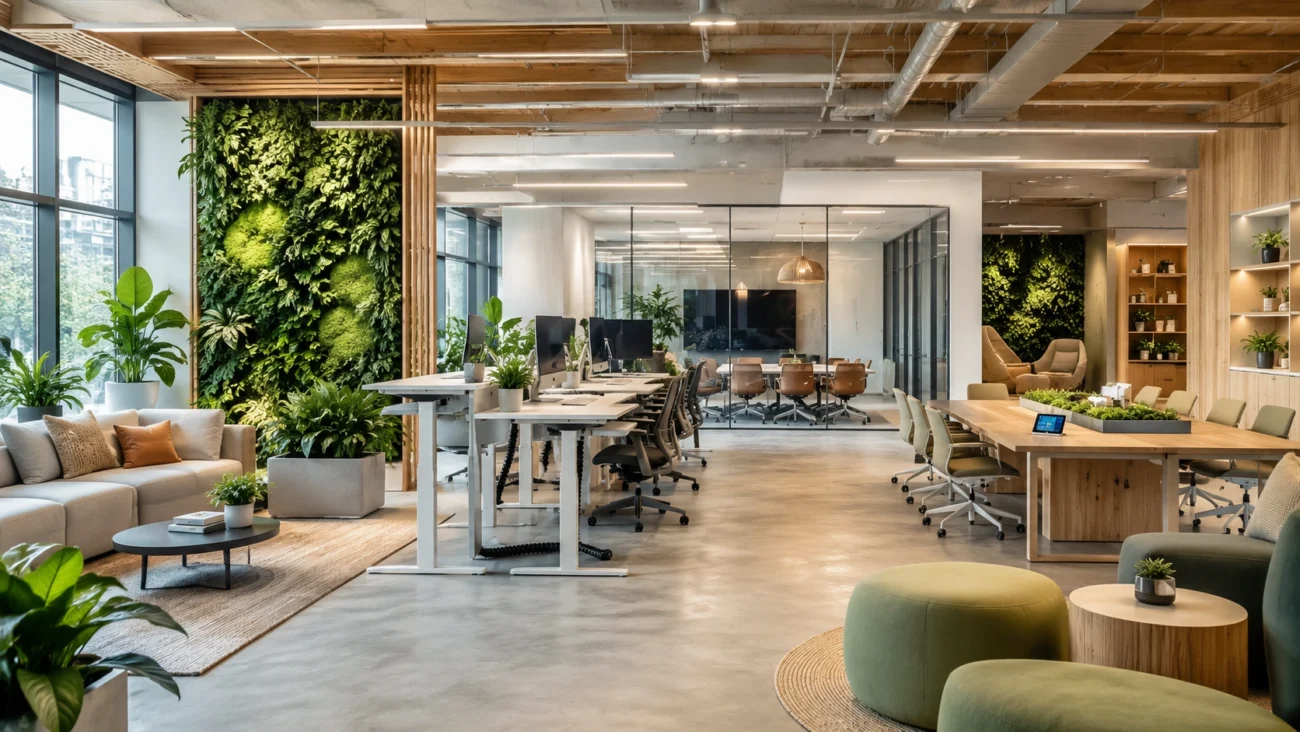
Modern office design is evolving rapidly in response to changing workforce expectations, technology advancements, and a growing emphasis on sustainability. Today, companies are rethinking their workspace layouts to support collaboration, flexibility, and employee well-being. This shift not only boosts productivity but also helps businesses attract and retain talent. For organizations seeking expert guidance, a commercial interior design agency can transform spaces using contemporary best practices while customizing solutions to unique business needs.
Leading design professionals are shaping offices that reflect a commitment to environmental stewardship and inclusivity. These modern workspaces prioritize sustainable materials and neuroinclusive concepts, offering both visual appeal and practical benefits. By embracing these trends, companies create spaces where employees thrive, and organizations stand out in competitive markets.
The contemporary office is more than just a functional setting; it’s an environment that supports diverse work styles and fosters creativity. Flexible layouts, technology integration, and wellness-focused amenities are now standard considerations in forward-thinking designs. As a result, innovative office strategies are becoming essential to achieving a happier, healthier, and more engaged workforce.
This article explores the cornerstone elements transforming modern office spaces, including flexibility, sustainability, and cutting-edge enhancements such as biophilic features and smart technology.
Flexible Layouts and Furniture
Flexibility is a defining element of today’s office design. Modern work environments feature open layouts and modular furniture systems that accommodate shifting team sizes and various activities throughout the workday. From collaborative zones for team projects to quiet pods for focused work, flexible spaces make it easy for employees to choose the environment that best suits the task at hand. Gensler’s Seattle office is a leading example, utilizing rearrangeable components on wheels to seamlessly adapt to staff and workflow changes. This dynamic approach to space fosters creativity and promotes inclusive teamwork.
Sustainable Materials and Practices
Sustainability is at the forefront of modern interior design. Offices are increasingly using recycled, low-impact materials and focusing on energy efficiency through features like LED lighting and high-performance HVAC systems. Thoughtful use of natural light is common, reducing both environmental impact and operational costs. Perkins Eastman’s Chicago Studio, for instance, incorporates locally sourced furnishings, reclaimed wood, and biophilic accents to create a greener, more inspiring workspace. In doing so, businesses align with growing consumer and employee demand for environmental responsibility while supporting healthier work environments and lowering utility expenses.
Biophilic Design Elements
Biophilic design brings nature indoors, benefiting both mental health and productivity. Features such as living green walls, natural wood textures, daylight simulation, and water elements reduce workplace stress and boost creativity. The presence of greenery has been shown to reduce absenteeism and increase job satisfaction. By weaving in biophilic elements, designers help companies create an atmosphere that feels invigorating and restorative for employees on a daily basis.
Technology Integration
Technology has become a cornerstone in reimagining office spaces. IoT-enabled smart offices allow employees to control everything from desk height and lighting to noise levels and meeting bookings through apps or voice commands. These tech innovations make workspaces more adaptable, accessible, and comfortable. Cloud-based systems offer greater flexibility, enabling seamless collaboration among both in-office and remote staff. Recent reports indicate that offices that use smart solutions experience significant improvements in employee satisfaction and operational efficiency.
Neuroinclusive Design
Neuroinclusive design ensures that office environments work for everyone, regardless of sensory needs or cognitive styles. This evolving approach creates zones with different levels of sensory stimulation, lighting, and acoustics. Employees who prefer background noise or vibrant visuals can select busier areas, while those who focus best in tranquil settings have access to quiet rooms or privacy pods. HOK’s adoption of neuroinclusive strategies demonstrates the business case for inclusive design, showing how accommodations for neurodivergent team members lead to stronger engagement, innovation, and retention.
Amenities and Wellness Spaces
Contemporary offices go beyond traditional spaces by offering on-site amenities that support both productivity and personal well-being. Features such as fitness rooms, meditation pods, healthy cafes, and rooftop terraces provide employees with opportunities to recharge and connect with colleagues. These wellness spaces reinforce company values and help maintain a healthy work-life balance, both of which are key to reducing burnout and increasing long-term job satisfaction. Companies with comprehensive amenities experience higher employee satisfaction and improved organizational performance. More information about workplace wellness can be found at WELL Certified.
Case Studies of Innovative Offices
Success stories from leading organizations highlight the real-world results of these design strategies. At 50 Hudson Yards, TPG Architecture crafted an executive workspace blending hospitality-inspired comfort, flexible work zones, and bold aesthetics. This office stands as a model for how sophisticated design elevates both functionality and corporate identity.
Conclusion
As offices continue to adapt to evolving work cultures, integrating flexible layouts, sustainability, and employee-focused features is no longer optional—it is essential for organizational success. Embracing cutting-edge design concepts fosters healthier, more inclusive, and motivating workplaces that empower employees while supporting company goals. By prioritizing these innovative approaches, businesses can build a dynamic office environment ready to meet the demands of a rapidly changing world.
