


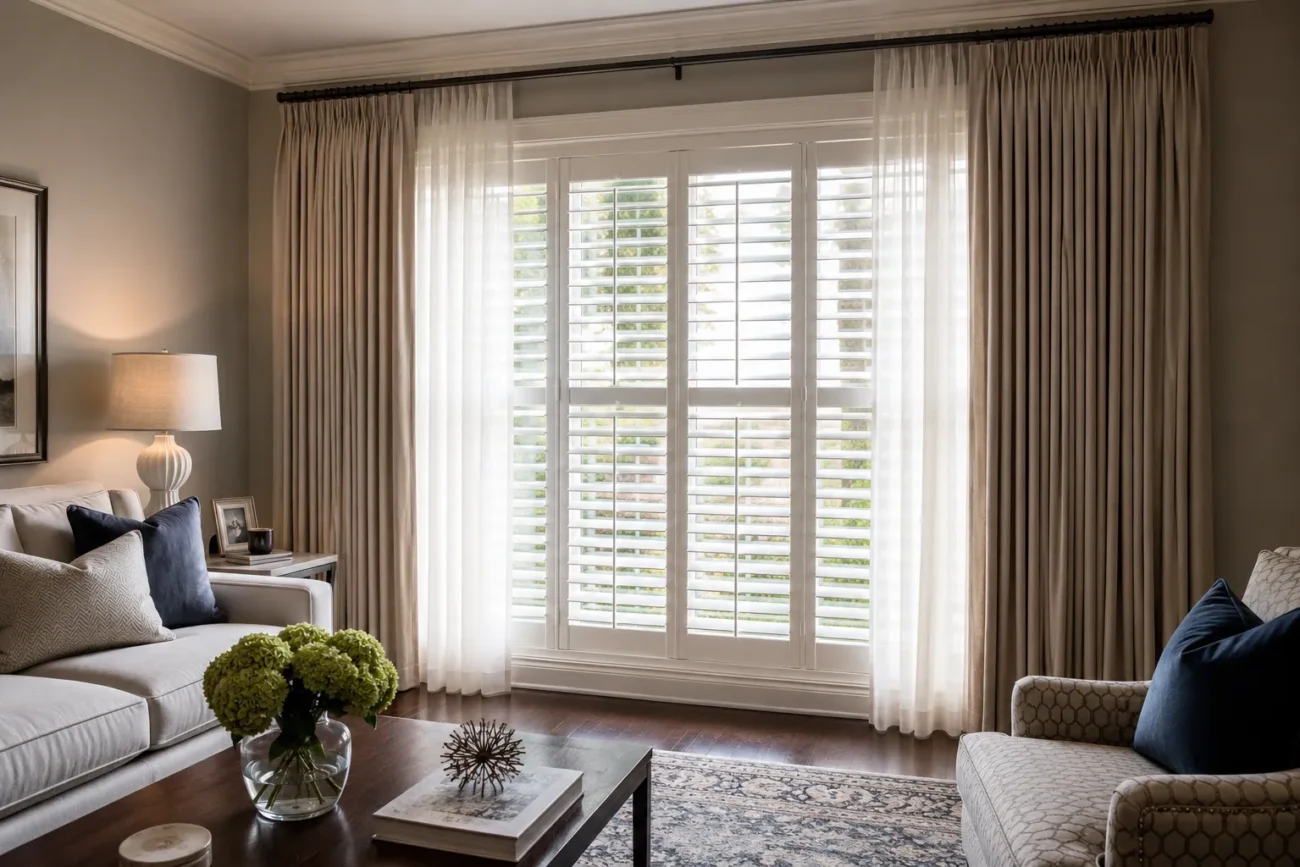
Window treatments are more than just functional elements; they play a pivotal role in defining a room’s ambiance and style. Selecting the appropriate window coverings can enhance your home’s aesthetic while providing privacy, light control, and energy efficiency. For homeowners interested in elevated style and value, window shutters Kansas City offer a blend of traditional charm and modern versatility.
The right window treatments can instantly refresh a space, control sunlight, and even help lower your energy bills. As you’ll discover in this guide, understanding your personal preferences and household needs will set a solid foundation for the best possible choice.
Beyond mere decoration, window treatments make a substantive difference in your environmental comfort and overall interior design impact. Properly chosen styles and materials can provide layers of insulation and effective privacy, making them an essential detail in any home renovation or update.
From coordinating with your furnishings to evaluating modern technology integrations, this guide covers all the essentials for a well-dressed window that complements your lifestyle and home design goals.
Understanding Your Needs
Before diving into styles and fabrics, assess what you require from your window treatments. Consider factors such as privacy, light control, energy efficiency, and aesthetic appeal. Each room in your house may have different requirements, so it is helpful to ask yourself:
- Privacy:Do you need complete seclusion or just a subtle barrier?
- Light Control:Are you aiming to block out sunlight entirely or diffuse it gently?
- Energy Efficiency:Do you want treatments that help insulate your home?
- Aesthetic Appeal:How do the treatments complement your existing décor?
Once you’ve determined your key objectives, take note of the existing conditions in each room. Large, sun-facing windows may require more robust solutions for blocking glare and heat, whereas smaller or shaded windows might benefit from lighter, more decorative options. Don’t forget to account for how much time you spend in each area; high-traffic spaces such as living rooms or kitchens might demand more durable, easy-to-clean styles. Seasonal changes in light, privacy, and temperature may also warrant a flexible approach, allowing you to swap or layer treatments as needed over the year.
Popular Window Treatment Options
There are several window treatment styles to choose from, each offering unique benefits:
- Blinds:Available in wood, faux wood, and aluminum, they offer adjustable slats for precise light control.
- Shades:Options include Roman, roller, and cellular shades, providing varying levels of light filtration and insulation.
- Curtains and Drapes:Fabric panels that add softness and can be layered for depth and functionality.
- Shutters:Durable and timeless, shutters can be customized to fit various window shapes and sizes.
Other notable options include vertical blinds, often chosen for sliding glass doors or larger windows, and woven wood shades, which add natural texture and visual warmth. Layering multiple treatment types can offer both flexibility and complex visual interest. For example, pairing blackout curtains with sheer inner panels gives you the control to block light completely or diffuse it for a softer look. If you have unique window shapes, such as arched or circular designs, consider custom fabrications tailored to these architectural features.
Matching Treatments to Room Function
Different rooms have distinct requirements. Choosing the right window treatments involves considering how the space is used and what characteristics are most needed.
- Living Room:Layered treatments, such as sheer curtains paired with heavier drapes, offer flexibility and style.
- Bedroom:Blackout shades or curtains ensure restful sleep by blocking external light.
- Kitchen:Easy-to-clean options, such as faux wood blinds or roller shades, are practical choices.
- Bathroom:Moisture-resistant materials, such as vinyl blinds or shutters, help prevent damage in humid environments.
Home offices and media rooms may benefit from shades with light-filtering or glare-reduction technology, supporting both productivity and entertainment. For nurseries or children’s bedrooms, cordless or motorized options offer additional safety by eliminating dangling cords. If your dining area is a hub for gatherings, consider treatments that are easy to adjust for controlling both brightness and privacy as needs change. Matching the window treatment’s practicality to each space maximizes both comfort and performance.
Coordinating with Interior Design
Window treatments should harmonize with your home’s décor. For instance, minimalist interiors benefit from sleek roller shades, while traditional settings may favor ornate drapes. Consistency in color and material can unify the space, but do not shy away from using window treatments as accent pieces to introduce patterns or bold hues. Experts recommend considering both the visual weight and texture of your window coverings in your design strategy.
Don’t underestimate the effect of hardware, curtain rods, finials, and mounting brackets, which are decorative details that can add polish or drama to the window area. Coordinating hardware finishes with the rest of your interior, such as matching them to door handles or lighting fixtures, creates a thoughtful, cohesive appearance. Window treatments can also be a subtle way to introduce trends, such as bold botanical prints or eco-friendly materials, without undertaking a major décor overhaul.
Energy Efficiency and Light Control
Proper window coverings can significantly impact your home’s energy consumption. Cellular shades, for example, trap air in their honeycomb structure. This provides insulation that keeps rooms cooler in summer and warmer in winter. Additionally, treatments with adjustable slats or layers let you control natural light, reducing the need for artificial lighting during the day and making your home more energy-efficient.
Light control is not just about blocking or letting in sunshine; it also involves managing glare for screens, protecting furniture and floors from fading, and supporting indoor plant health. More advanced window treatments incorporate UV-filtering fabrics or smart tech that automatically adjusts based on the time of day or sun position, further boosting comfort and energy efficiency throughout your home.
Customization and Automation
Advancements in technology have introduced motorized window treatments that can be controlled via a remote or a smartphone app. This feature is particularly useful for hard-to-reach windows or for enhancing home security by programming treatments to open and close at specific times. Customization options also extend to materials, colors, and special features, ensuring your window treatments are perfectly tailored to your home and lifestyle.
Automated window treatments can even sync with other smart home devices, integrating seamlessly with lighting schedules or climate control systems. This connectivity not only adds convenience but can also boost your property’s value by showcasing up-to-date, integrated technologies. Bespoke options, from custom embroidery to unique trim and finishes, let homeowners put a personal stamp on their window décor, turning a functional necessity into a signature design statement.
Common Mistakes to Avoid
When selecting window treatments, be mindful of these pitfalls:
- Incorrect Measurements:Always measure windows accurately to ensure a proper fit.
- Ignoring Functionality:Choose treatments that align with the room’s purpose and your lifestyle needs.
- Overlooking Maintenance:Consider ease of cleaning and material durability, especially in high-traffic areas.
Additionally, avoid overcomplicating your windows with too many competing patterns or colors, which can make spaces feel cluttered rather than cohesive. Skimping on quality can also lead to faded fabrics, malfunctioning mechanisms, or a dated look. Instead, invest in durable options that balance beauty and performance, especially for windows that get regular use or are exposed to direct sunlight.
Conclusion
Choosing the right window treatments involves balancing functionality with style. By understanding your needs, exploring various options, and considering the specific requirements of each room, you can select treatments that enhance your home’s comfort and aesthetic appeal. Window treatments are a key investment for every homeowner, helping to create spaces that feel both personalized and welcoming.
Take your time evaluating the range of choices, consult a professional if needed, especially for custom installations or more technical solutions like motorization. With well-chosen window treatments, your home will benefit from improved visual harmony, increased comfort, and greater energy efficiency, all while reflecting your personal taste.

One thought on “The Ultimate Guide to Choosing the Right Window Treatments for Your Home”